National flower hangs in the balance - Calls grow for stronger protection of lignum vitae; development, harvesting blamed for loss
Loading article...
-
-
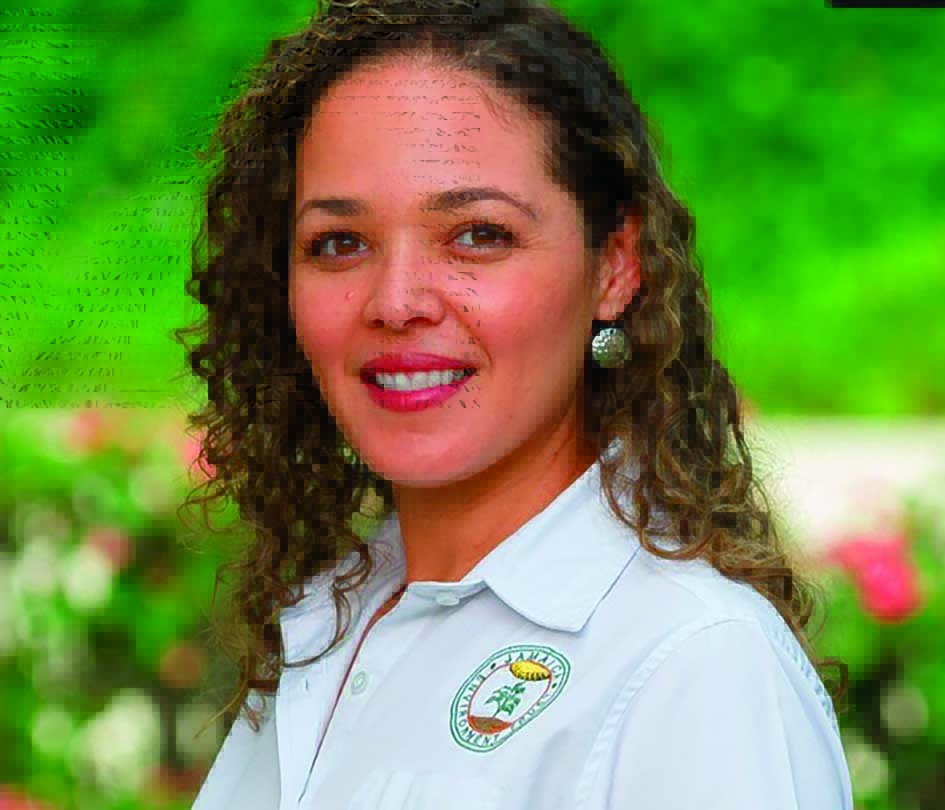
Dr Theresa Rodriguez-Moodie, CEO of the Jamaica Environment Trust.
-

Tracy Commock, director of the Natural History Museum of Jamaica.
-
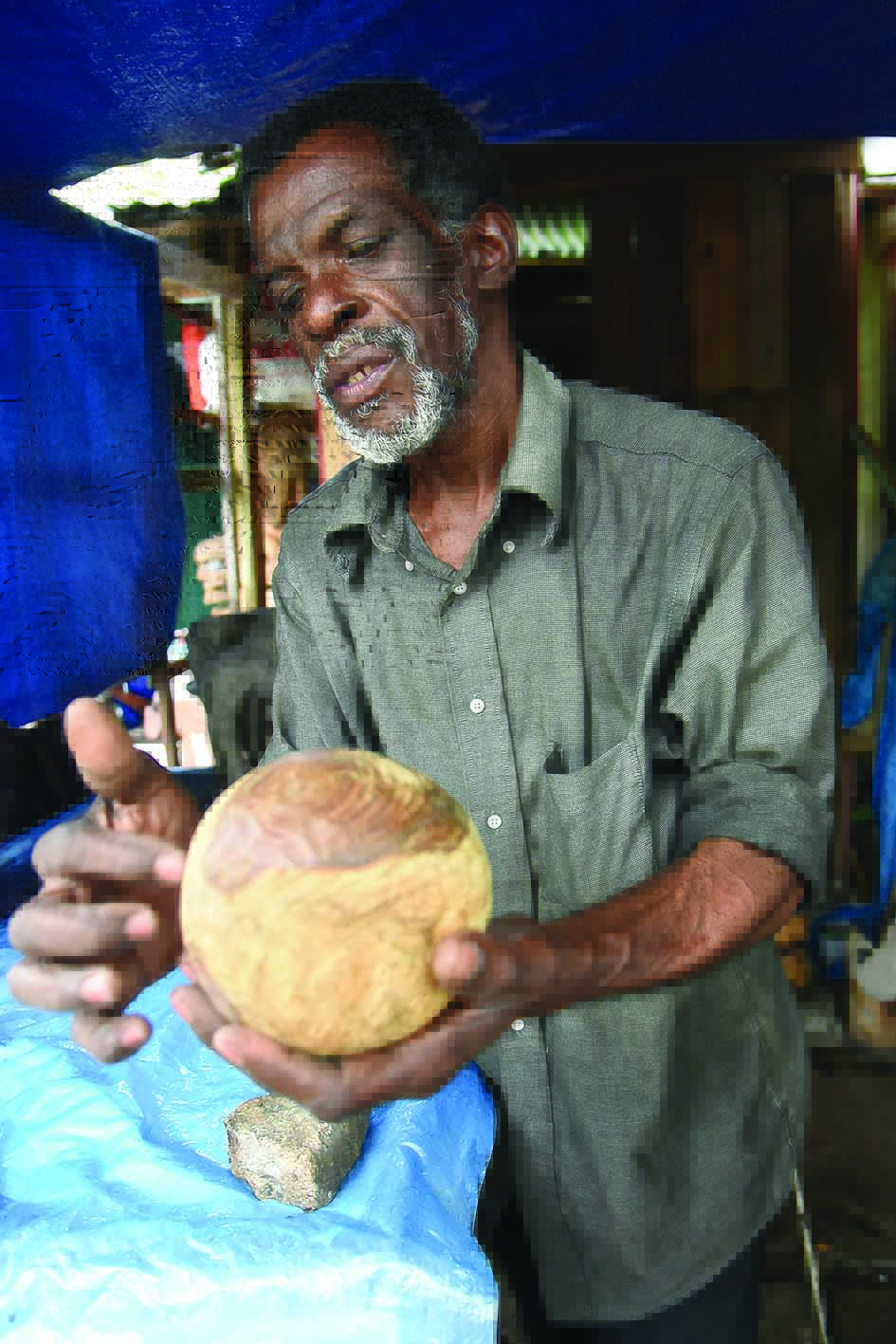
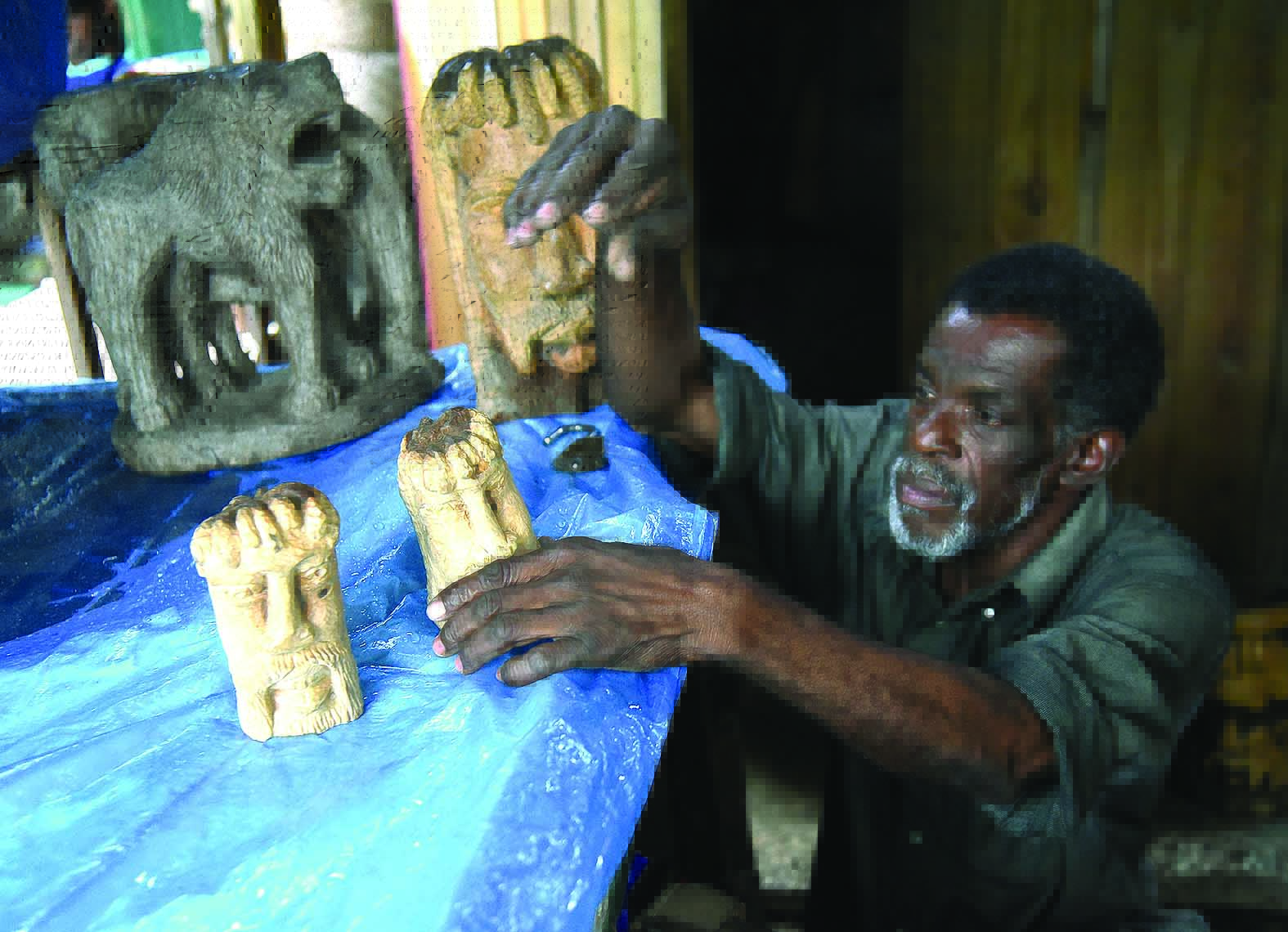
Sculptor Seaford Henry shows some of his art made from lignum vitae. As they age, the resin naturally found in the wood will self-polish them.
-
-
-
-
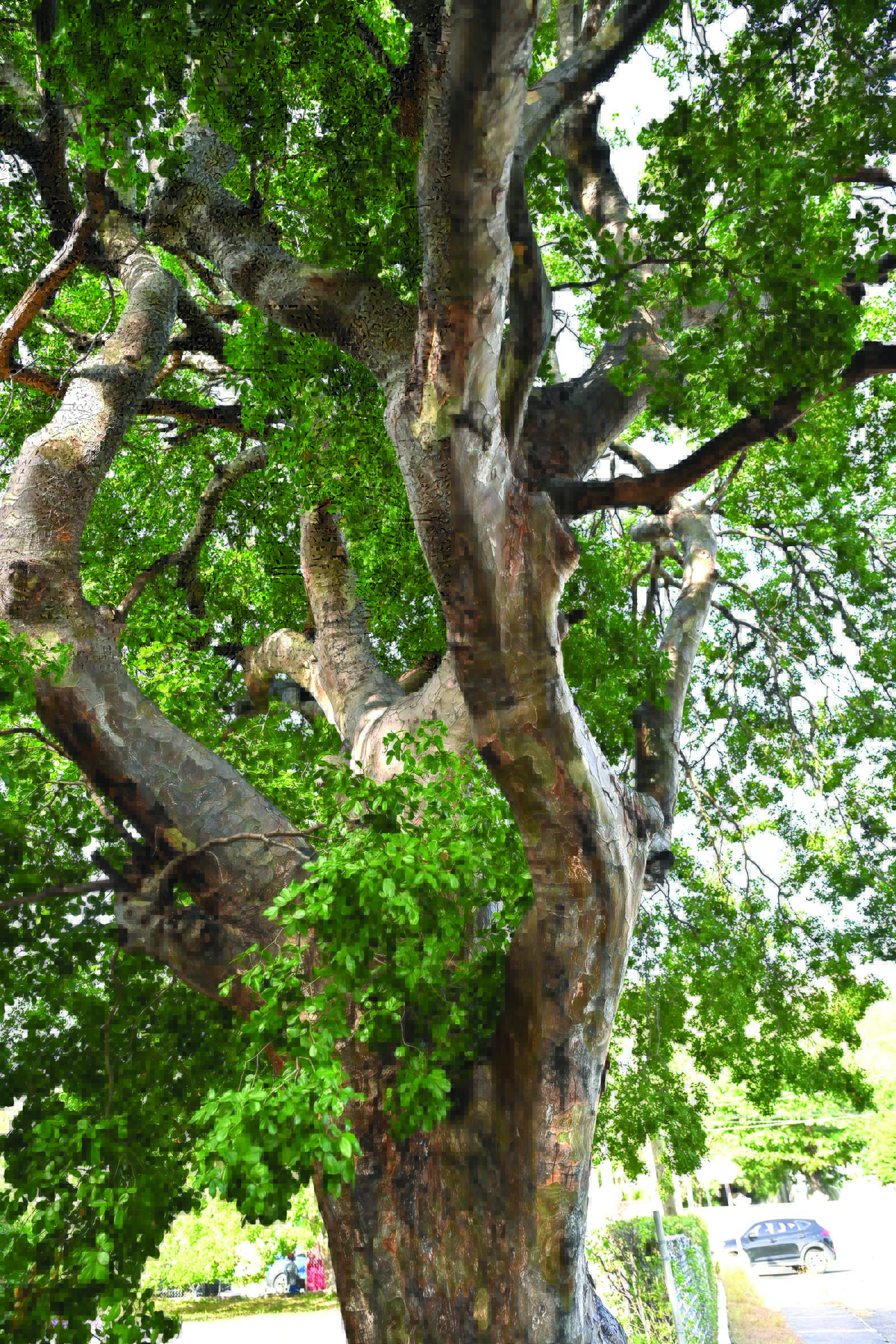
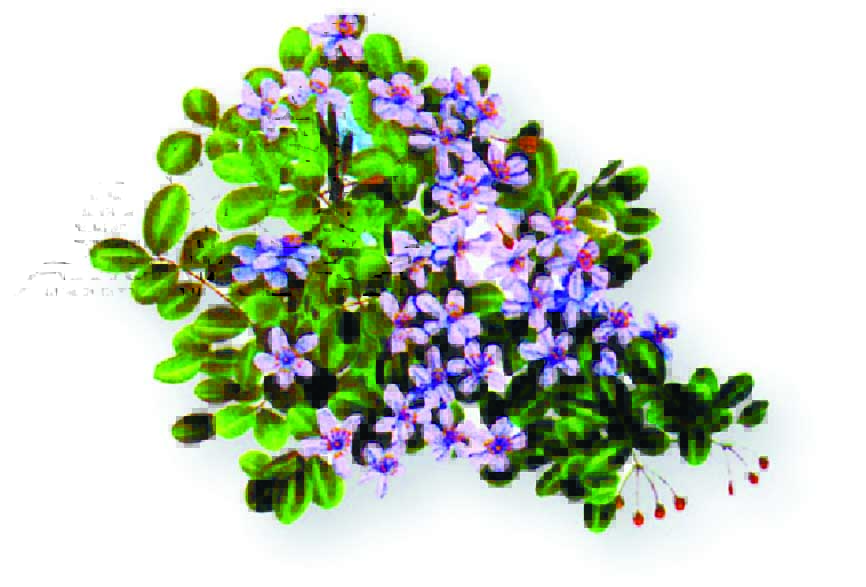
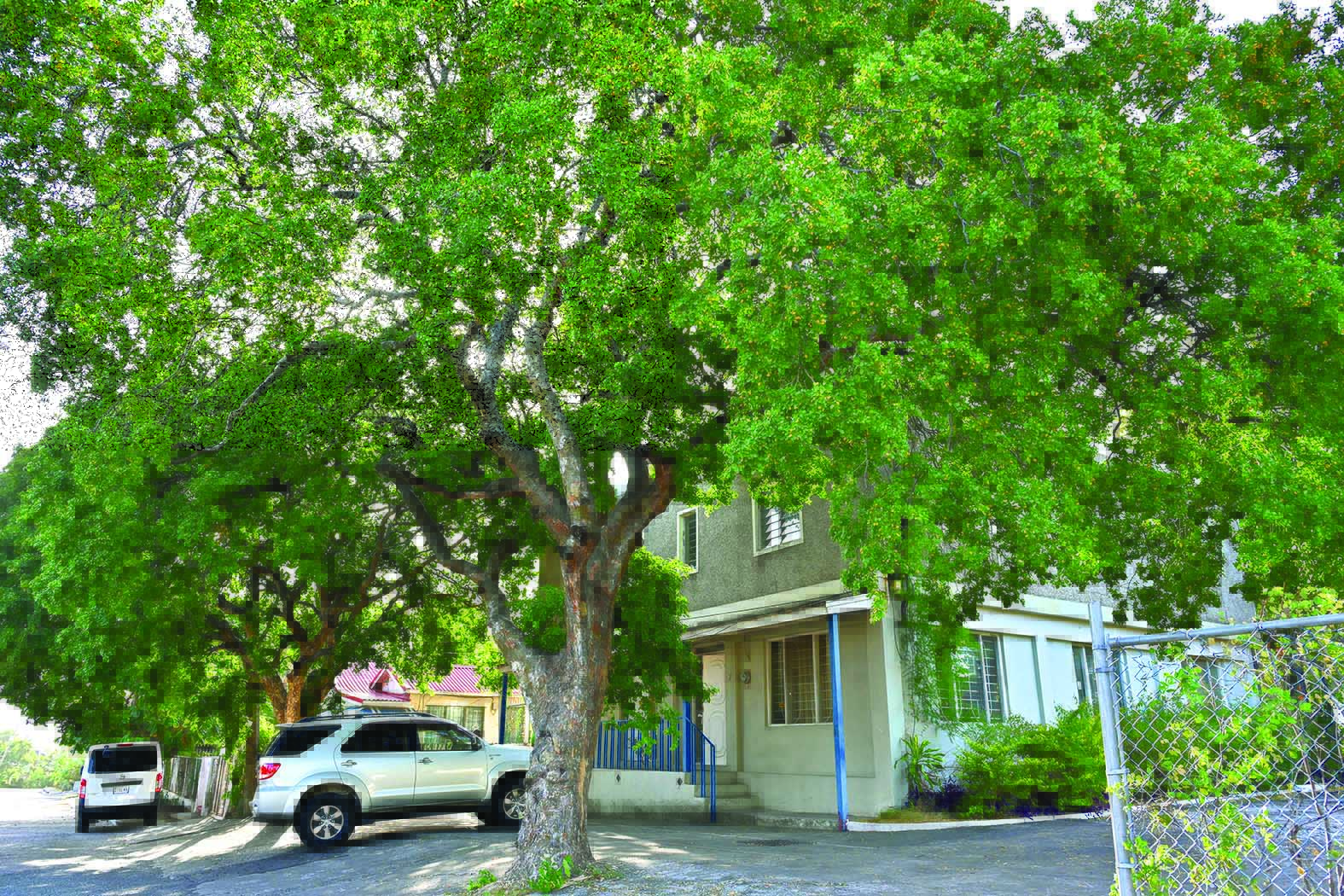
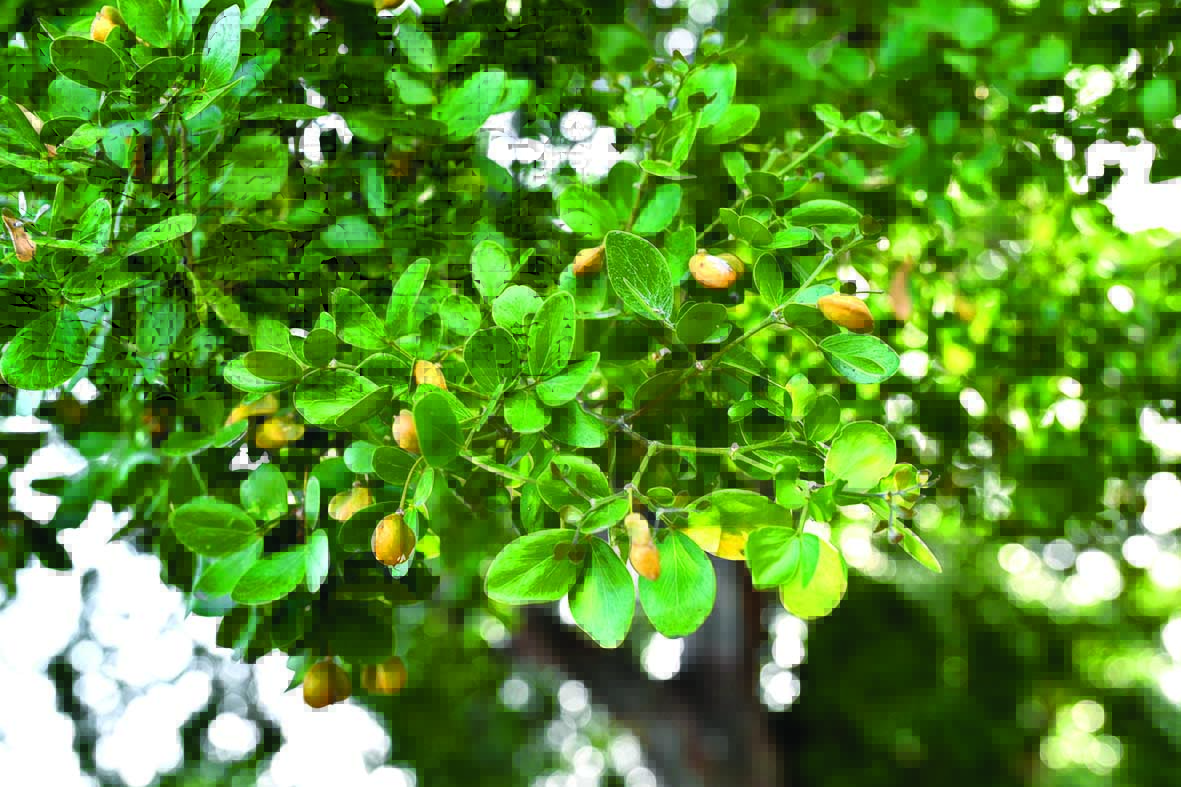
The lignum vitae is considered the most useful and versatile tree in the world. It is among the heaviest and hardest woods in the world; it is so dense that it sinks in water. The wood contains natural, heavy resins that make it self-lubricating. It also has several medicinal uses and was historically the go-to material for propeller shaft bearings in ship building, including the world’s first submarine.
Seaford Harvey remembers a time when lignum vitae was a familiar feature of the landscape across St Catherine, with the short, compact trees and their distinctive bluish-purple blooms growing in abundance throughout the parish.
When he started making wood carvings more than three decades ago, the dense, durable timber of the lignum vitae (Guaiacum officinale) was his material of choice, and he would source it from vendors who readily traded the prized logs.
Now, the 67-year-old artisan, who trades his sculptures in the Ocho Rios Craft Market in St Ann, is often taken aback by how scarce this timber has become.
“It (lignum vitae) kinda get ration after a while. It used to be around a lot when I was much younger, but after a while, it not so popular like it used to be,” he told The Sunday Gleaner while displaying sculptures he had carved from the log.
Hailed for its medicinal uses and prized qualities, the lignum vitae (latin for ‘wood of life’), Jamaica’s national flower and one of its most highly regarded native species, is now facing a quiet demise, with its population recording a significant decline over three generations.
Its dwindling population has led to the species being globally protected to prevent its extinction. It is listed as endangered on the International Union for Conservation of Nature (IUCN) Red List of Threatened Species and is also strictly regulated under Appendix II of the Convention on International Trade in Endangered Species (CITES).
In Jamaica, it is also protected under the Endangered Species (Protection, Conservation and Regulation of Trade) Act.
The National Environment and Planning Agency (NEPA), Jamaica’s agency responsible for promoting sustainable development through the protection of the environment, regulates the cutting and export of the plant and a permit is required to export any part or products made from it. Illegal trading can result in fines up to $2 million or two years imprisonment – or both – in a parish court, alongside product confiscation. A circuit court, however, can impose a sentence of up to 10 years.
Research conducted by NEPA in 2024 showed “a high proportion of respondents still recognise a reduction in the presence of lignum vitae over time, reinforcing trends observed in the 2007 assessment and suggesting that the pressures affecting the population have persisted over the last two decades”.
The agency told The Sunday Gleaner that definitive population estimates remain challenging due to the nature of assessment; however, it emphasised that there continues to be a strong perception and indication of decline in the species.
Lignum vitae is impacted by factors such as land clearing, harvesting, fires and natural events such as hurricanes and drought.
NEPA’s surveys also showed that a popular use of the tree was craftmaking by persons who use it for their livelihood.
Harvey explained that wood from lignum vitae is ideal to work with because of its durability.
“It’s very solid and can keep up with the sun and everything,” he told The Sunday Gleaner.
The wood also carries a fragrant scent that some customers find pleasing. It is also renowned for self-polishing, getting shinier as time passes due to its high natural resin and oil content.
As the wood from lignum vitae becomes harder to source, Harvey said he finds himself substituting it with cedar and blue mahoe logs.
Mindful of the tree's significance, Harvey said he avoids using freshly cut lignum vitae in his craft, opting instead for dry wood collected from trimmed branches.
He told The Sunday Gleaner that he was surprised when he learnt people use the wood to burn charcoal.
“I never believed until I see it. The lignum is strong material, and I figured that they would want to do something more than just burn coal with it,” he said.
A Kingston-based charcoal burner, who gave his name only as Henry, said he sometimes uses the wood from the lignum vitae to burn coal. He insisted, however, that he does not cut down the trees himself.
He explained that branches are often discarded alongside limbs from other trees on to a nearby field where he sources wood for his kiln.
Pointing to a lignum vitae tree over his neighbour’s house, Henry told The Sunday Gleaner that people are aware that they are not supposed to cut them down, but said sometimes it is necessary.
“People cut dem outta dem yard. More time it a block di light wire and some things, so dem cut dem down,” he said.
The lignum vitae is often found in dry woodlands, rocky hillsides, and arid limestone forests, particularly along Jamaica’s north and south coasts.
It is commonly seen in areas of Portland, St Elizabeth, Kingston, St Andrew, St Catherine, St Ann, Clarendon, St Thomas, Manchester, and Westmoreland.
Chief executive officer (CEO) and conservator of forests at the Forestry Department, Ainsley Henry, told The Sunday Gleaner that while harvesting of the plant has contributed to its decline, land development, including the clearing of forests for housing schemes and road construction, has also played a major role in the declining population.
He said the Forestry Department has an active programme of producing the plant, and is diligently seeking to use them in urban planning, as well as replanting them in the eight parishes where they were most populous.
However, he noted that it is a slow-growing species that can take more than 40 years to mature. It grows five to nine metres tall with a rounded, compact shape.
Additionally, the agency recently signed a memorandum of understanding (MOU) with NEPA, affirming its commitment to conserving the plant.
The MOU is part of NEPA’s campaign to save the plant, underpinned by its Lignum Vitae In Schools’ campaign, which aims to promote conservation awareness and to increase the propagation and planting of the culturally and ecologically significant native species among schools and communities.
It builds on a 2017 initiative launched by the Forestry Department.
“It's a part of our lived experiences, our culture,” Henry said. “It's a part of what makes us who we are – Land of Wood and Water.”
Liggi Days, a craft vendor in the Ocho Rios Craft Market, has sold sculptures made from lignum vitae for the seven years he has been there.
He told The Sunday Gleaner that these sculptures often attract a higher price due to their durability, but also lamented slow business in the market.
According to the vendor, who is originally from Portland, the decline in the lignum vitae population is due in part to the lethargy displayed by relevant agencies.
“Jamaican Government just too reluctant when it comes to certain things. The important thing to the culture of Jamaica. The Government too reluctant ‘bout dat, dats why yuh see so much things just go down because we nuh put value pon di foundation ting of Jamaica, like di heritage of Jamaica,” he said.
Meanwhile, while acknowledging NEPA’s efforts so far, Jamaica Environment Trust CEO Dr Theresa Rodriguez-Moodie believes there is still much more to be done.
“It's not children that are cutting down the trees for development … . So, while it is important to educate young people, they also need to look at the other end of it, which is who is actually responsible for cutting down the trees, and to find ways to prevent that from happening if we're serious about protecting it,” she said.
The environmentalist is advocating for the strengthening of legislation to protect the national flower.
“If we're really serious about protecting certain types of tree species, flora, and they're not in a protected area, we need to have them [strongly protected under law],” she told The Sunday Gleaner.
Section 37 (9) of the Forest Act empowers the minister of environment to make regulations for the preservation of endemic or endangered species of trees, or trees remarkable for their size, variety, or beauty, whether they are located on Crown land or private land.
Rodriguez-Moodie pointed to the Tree Preservation Regulation and the Wildlife Protection Act, specifically, which she said could be amended to protect this vital element of Jamaica’s heritage.
While applauding the efforts of NEPA and the Forestry Department to educate people about the flower, Tracy Commock, director of the Natural History Museum of Jamaica, also highlighted her institution’s longstanding work in researching and showcasing the island’s native species.
But she stated that public education can “ramp it up a little more”.
“I think if people know more about the tree and know that it has importance, then they would probably [be interested in preserving it],” she told The Sunday Gleaner.
“This is our national flower. We should take pride in it. We shouldn't want it to disappear from the country,” she added.
sashana.small@gleanerjm.com