Forgotten victims
Loading article...
-
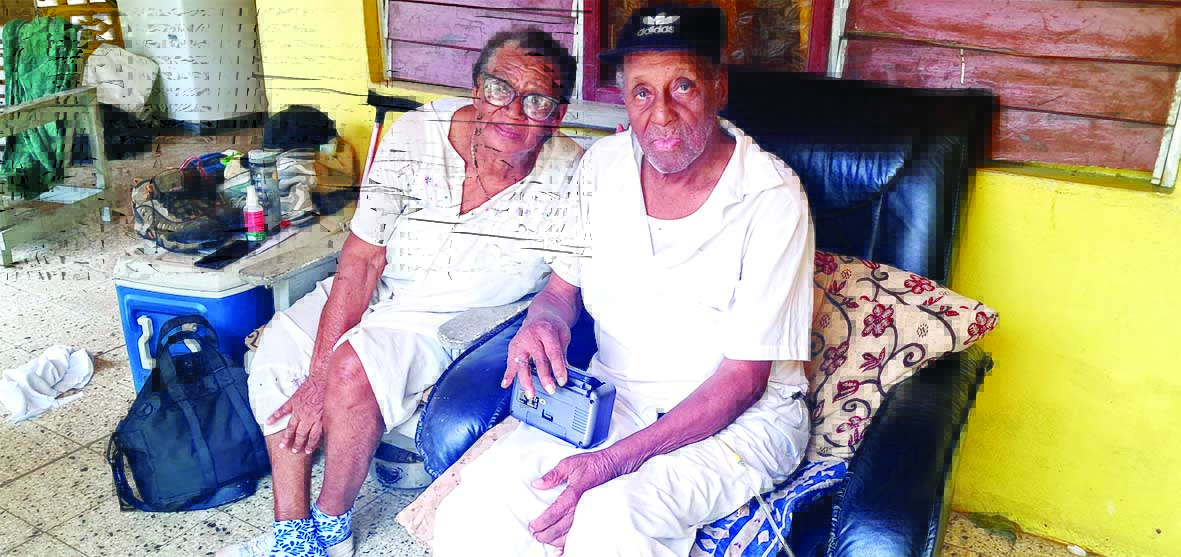
Avis and Mervin Jones, who lost their home in Providence, St Elizabeth, during the passage of Hurricane Melissa last October, sit on the verandah of their daughter’s home in St Catherine last Friday.
-
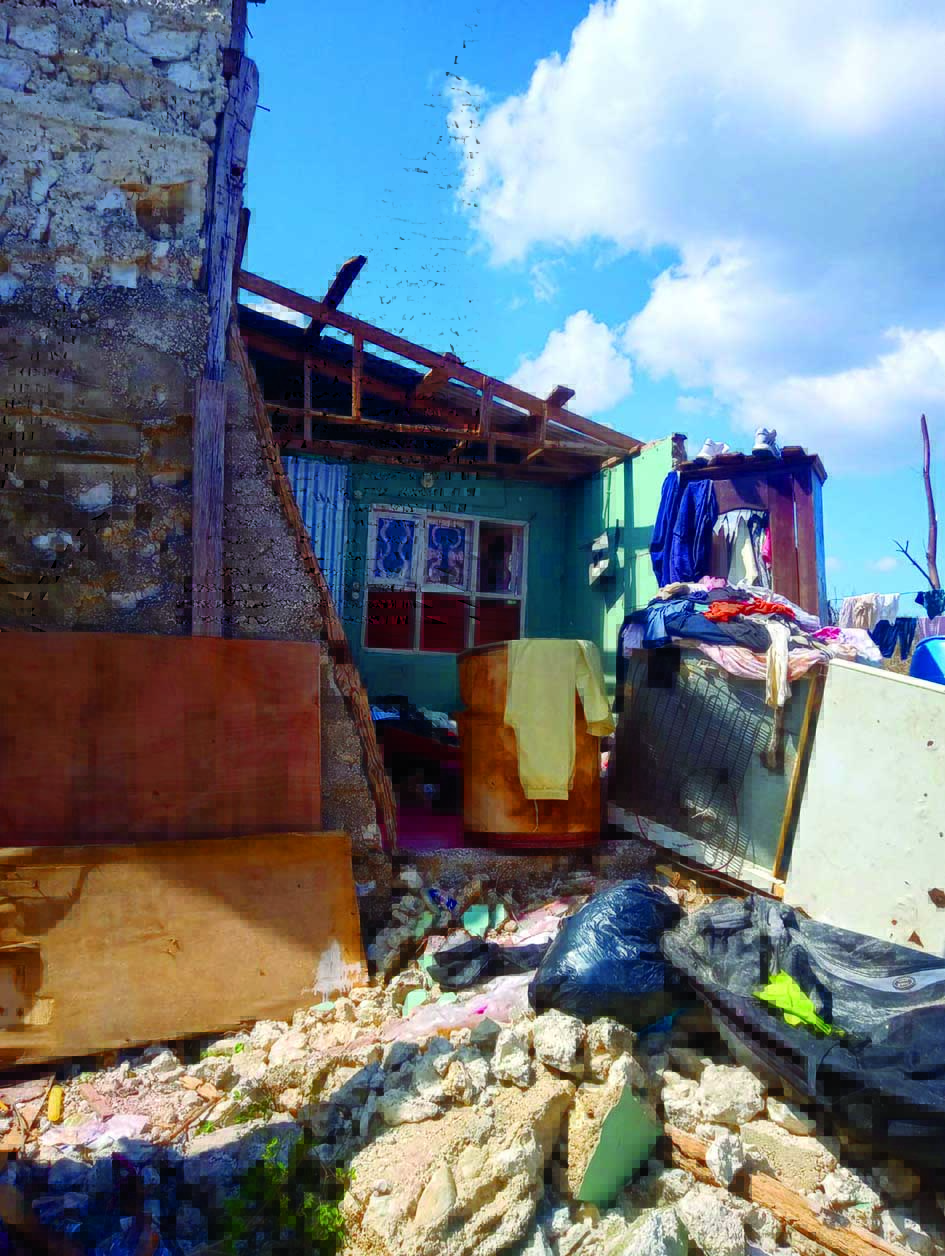
Sections of the Joneses’ ravaged home in Providence, St Elizabeth.
-
-
-
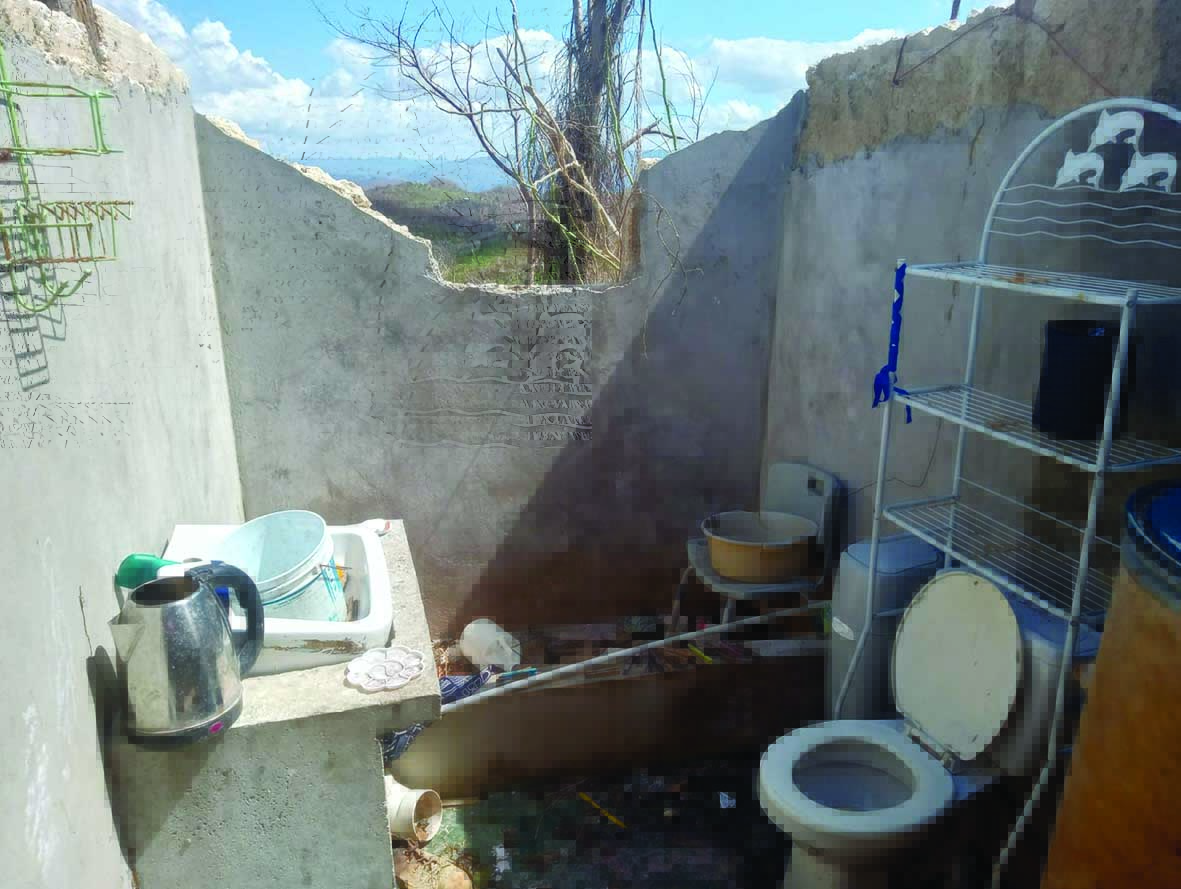
Before Hurricane Melissa, they had a home, a livelihood, friends of their own age and a sense of normalcy. Seven months later, all that remains is each other, a weathered couch and an ageing handheld radio through which they follow a world that has largely moved on without them.
Forced from their home after Melissa ravaged Providence, St Elizabeth, Mervin and Avis Jones now spend their days at their daughter's house in Avon Park, St Catherine, far removed from the life they once knew. With no income and few possessions salvaged from the storm, the elderly couple say each day is a struggle to maintain hope.
The radio rarely leaves their side – much like Jossett, the youngest of their seven children, who now cares for them. It offers companionship during long afternoons on the verandah, where they sit side by side for hours, rising only for meals before eventually retiring to bed.
Its crackling broadcasts carry updates on reconstruction efforts that still feel frustratingly out of reach for them.
Mervin, 89, is visually impaired and hard of hearing and keeps the radio pressed close to his ear. Last week, however, he repeatedly pulled the device away, hissing in frustration each time.
For a man still waiting on meaningful help after the disaster, reports that more than a billion dollars of donated cash for hurricane recovery and hundreds of millions set aside to help vulnerable Jamaicans last year were going back to state coffers were difficult to stomach – and even harder to hear. Though the reports were endless, the assistance was too far to see, he bemoaned.
Having spent 63 years together, 53 of them married, the couple have weathered many storms and rebuilt more than once. Hurricane Melissa’s fallout, however, appears unending. Months after being displaced, rebuilding their home seems but a dream.
Avis, 83, nodded as her husband spoke to The Sunday Gleaner.
“Is five rooms was in my house. Concrete structure. Everything blow down; and we nuh hear nothing from the Government. Nothing at all!” Mervin charged, his voice rising with each sentence. “My son said him see them come there one time after the storm, but after that, nobody don't hear anything.
“I would go back if I get the help. I would build back even two rooms and put on a roof. We are country people; town too hot,” he said, as Avis quietly fanned herself beside him.
The longtime farmers are not pensioners but beneficiaries of the Programme of Advancement Through Health and Education (PATH).
Spearheaded by Prime Minister Dr Andrew Holness and the Ministry of Labour and Social Security last year, the $1-billion Solidarity Programme was designed to provide a one-time $20,000 grant and other support to 50,000 vulnerable Jamaicans.
But beneficiaries of several existing social-protection programmes, including PATH, were excluded – leaving people like the Joneses unable to qualify.
Hearing this, Jossett said she never bothered applying on behalf of her parents. But when Melissa struck and deepened their hardship, she began to question whether the exclusions were fair.
Together, under PATH, her parents receive $12,000 every two months – $6,000 each; and now share in a single back room when not sitting on the verandah.
The money barely covers their needs. However, it also renders them ineligible for assistance under the Government's $1-billion Solidarity Programme, of which $770 million never reached intended beneficiaries, according to Dione Jennings, permanent secretary in the Ministry of Labour and Social Security.
For the Joneses, it is a cruel irony: too poor to rebuild, but not poor enough to qualify for help.
“We get $6,000 [each] every two months. That don't have no use a town here. That can only buy likkle sugar, piece of salt fish, and little chicken back. Remember, is every two months we get that, you know,” Mervin lamented.
According to the MLSS, the Solidarity Programme received more than 18,000 applications, with 11,521 people ultimately approved for payment.
Ministry figures show that just $230.4 million of the programme's planned cash allocation was disbursed, sparking public outcry last week.
“We are farmers, so $20,000 is not a lot of money for us when times are good; but it at least could have helped with certain everyday things for them now,” Jossett said.
“It is disappointing, very disappointing,” remarked Jean Lowrie Chin, founder and executive director of the Caribbean Community of Retired Persons (CCRP).
“I think there were gaps in the outreach, but I also believe the eligibility rules need to be revisited. [Receiving] $6,000 every two months is nothing. People receiving that level of support should not automatically be excluded,” she told The Sunday Gleaner.
Lowrie Chin said many elderly Jamaicans continue to face transportation and financial barriers when trying to access aid.
“They need advocates. Their MPs (members of parliament) and councillors should be making representations on their behalf,” she said.
She noted that the CCRP has distributed more than $2 million in cash and kind to elderly Jamaicans affected by Hurricane Melissa, but said fundraising efforts continue as many remain in desperate need.
“One of the biggest challenges right now is that some of them still don't have a roof over their heads,” she said.
Last week, one political representative reiterated concerns that, in addition to eligibility restrictions such as those affecting the Joneses, issues relating to overcrowding, incorrect documentation and justice of the peace certification also affected applications under the Solidarity Programme.
"The permanent secretary said the money is going back to debt reduction, but the ministry has since said that it was reallocated to other programmes and some to the Consolidated Fund. So who is telling the truth?” asked the parliamentarian, who did not want to be named.
On Saturday, the MLSS said displaced persons who find themselves in positions like the Joneses should make contact with the ministry soonest. It reiterated its stance on the intelligibility of PATH beneficiaries for the Solidarity Programme, again urging seniors who find themselves needing additional assistance to reach out to the ministry.
Back on the verandah in Avon Park, the ageing radio crackled with another news bulletin. Beside it sat Mervin and Avis Jones, still waiting for the recovery assistance they keep hearing about to finally reach them.
For now, it remains another story on the radio.
corey.robinson@gleanerjm.com