
Drought leaves people hungry in Kenya as their livestock die
Published:Tuesday | February 10, 2026 | 2:21 PM
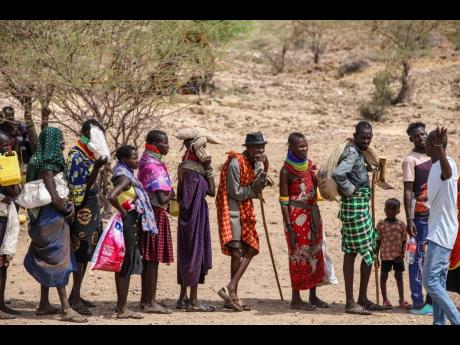
KAMPALA, Uganda (AP) — Drought conditions have left over two million people facing hunger in parts of Kenya, with cattle-keeping communities in the northeast the hardest hit, according to the United Nations and others.
In recent weeks, images of emaciated livestock in the arid area near the Somali border have shocked many in a region that reels from the effects of climate change.
In recent years, rainy seasons have become shorter for some communities, exposing them to drought. Normally, animals are the first to die.
The livestock losses echo what happened between 2020 and 2023, when millions of animals died in the region that extends from Kenya into parts of Ethiopia and Somalia.
At the time, a famine predicted for Somalia was averted by a surge in international aid.
Four consecutive wet seasons have failed in parts of the Horn of Africa, which juts into the Indian Ocean.
The wet season from October to December was one of the driest ever recorded, according to the UN health agency.
Because the rains were brief, parts of eastern Kenya were the driest they have been during that season since 1981.
Some 10 counties in Kenya are experiencing drought conditions, according to the National Drought Management Authority.
The northeastern county of Mandera, bordering Somalia, has reached the “alarm” classification, which means critical water shortages have led to the death of livestock and the wasting of children.
The suffering extends into Somalia, Tanzania and even Uganda, where many are threatened by similar weather patterns and water shortages, the World Health Organization said in late January.
In southern Somalia, an assessment by the Islamic Relief aid group found “shocking food shortages as families flee the region’s worsening drought.”
In Somalia, long vulnerable to drought conditions, over three million people have left their homes, seeking shelter in camps for the internally displaced.
But support is not enough, with 70% of the internally displaced in the city of Baidoa surviving on one meal a day or less, Islamic Relief said in a statement, adding that children in the camps are “showing visible signs of malnutrition and wasting.”
Experts say much of what’s happening is due to climate change.
Follow The Gleaner on X, formerly Twitter, and Instagram @JamaicaGleaner and on Facebook @GleanerJamaica. Send us a message on WhatsApp at 1-876-499-0169 or email us at onlinefeedback@gleanerjm.com or editors@gleanerjm.com.