UWI academics to examine 'resurgence of US imperialism in Caribbean'
Loading article...
-
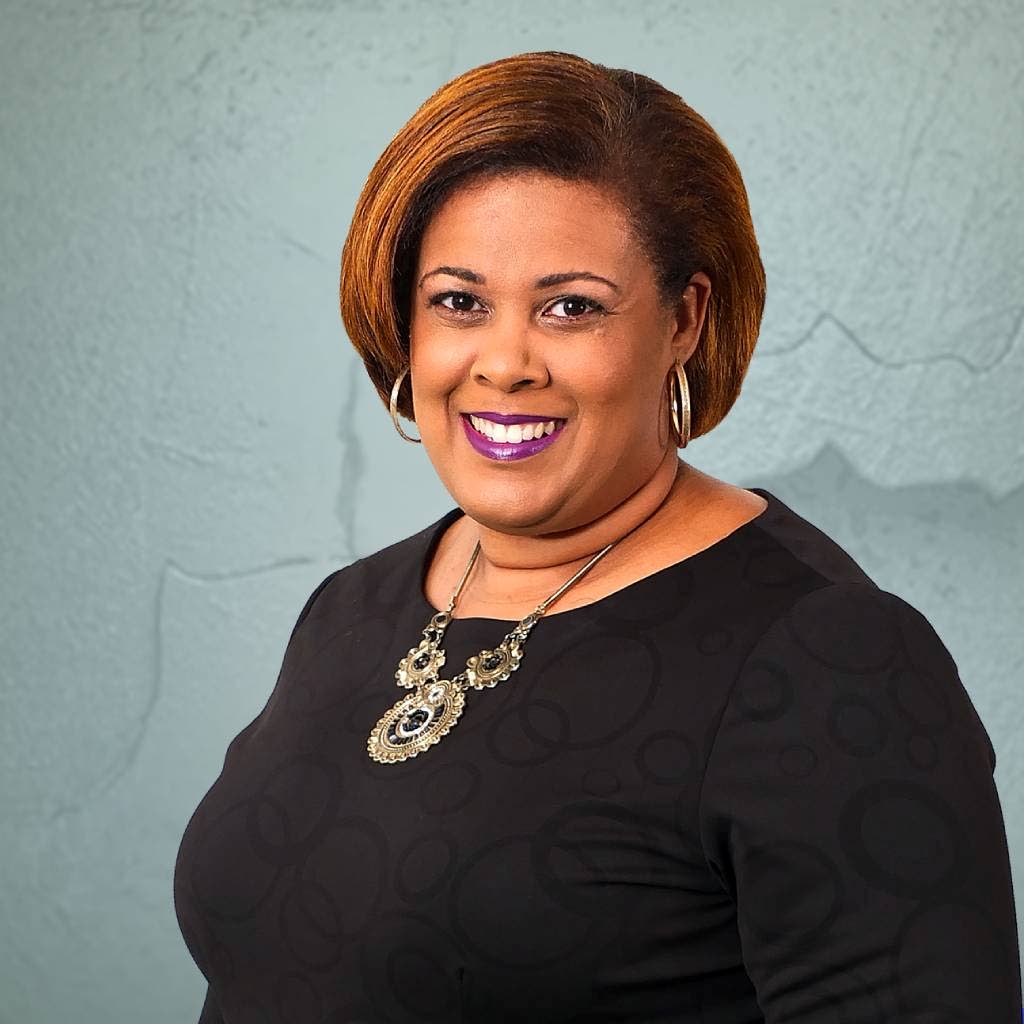 Dr Lisa Vasciannie, head of the Department of Government at The University of the West Indies, Mona.
-
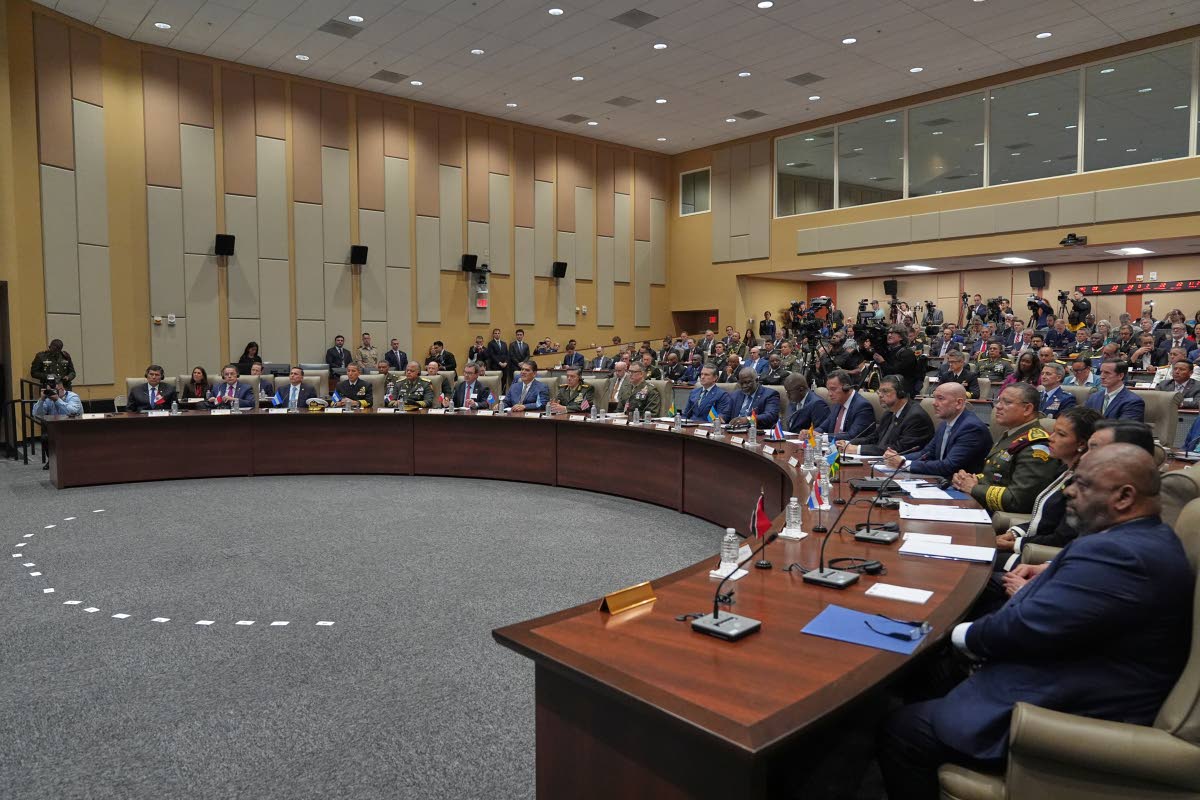 Officials and security leaders from across Latin America and the Caribbean listen as United States Defense Secretary Pete Hegseth speaks at the inaugural Americas Counter Cartel Conference at US Southern Command in Doral, Florida on March 5, 2026. (AP Photo/Rebecca Blackwell)
Regional academics at The University of the West Indies (UWI), Mona, are set to weigh in on geopolitical upheavals in the Caribbean, including the "resurgence of United States imperialism in the region."
Wednesday's two-hour seminar, “The Political Moment in the Caribbean,” hosted by the Department of Government, is expected to examine recent developments - from Jamaica ending its decades-long health cooperation with Cuba to broader US-Caribbean relations, and how they are reshaping regional politics. The event will start at 2 p.m.
Dr Lisa Vasciannie, head of the Department of Government, said the seminar is “timely and thought provoking” given the intensifying global power competition and the pressures small island states face amid US and Cuban policies.
“Bringing together leading scholars and practitioners, the seminar will explore the shifting political, social, and geopolitical dynamics shaping the region. It reflects the diversity and complexity of Caribbean political life at a crossroads,” Vasciannie said.
Panelists will tackle critical issues affecting the region. Vasciannie will speak on “Caribbean Ballots in a Geopolitical Age: Beyond Free and Fair Elections,” highlighting how global power competition increasingly influences elections and political stability.
Dr Michelle Munroe will discuss “Balancing Enforcement and Resilience: Crime Governance, Legitimacy, and the Jamaican State,” exploring how Jamaica navigates security challenges while maintaining public trust.
Dr Aieka Smith will address diaspora identity in “From Yaad to Japan: Constructing Jamaican Identity in the Diaspora,” and Dr Louis Moyston will focus on “The Resurgence of US Imperialism in the Region: Target Cuba.”
The seminar comes amid heightened Caribbean attention on Cuba and US influence in the region. Havana has said the withdrawal of its medical personnel will proceed after Jamaica ended a 50-year-old programme, citing disagreements over reforming payments and other operational aspects. Cuba described the move as yielding to US pressure, while Jamaican officials maintain the decision stemmed from unresolved negotiations with Havana.
Recent US military operations, including the capture of Venezuelan leader Nicolás Maduro in January and ongoing strikes against suspected drug traffickers in the region, have also heightened concerns among Caribbean leaders about the so‑called “zone of peace,” with some critics saying US actions - including an oil blockade against Cuba - challenge established norms of international law and regional sovereignty.
At a CARICOM meeting last month, the prime ministers of Jamaica and Trinidad and Tobago asserted that the regional bloc does not require a singular foreign policy view and the absence of one should not be seen as "facture" among members.
The seminar will be held at the Faculty of Social Sciences.
Follow The Gleaner on X, formerly Twitter, and Instagram @JamaicaGleaner and on Facebook @GleanerJamaica. Send us a message on WhatsApp at 1-876-499-0169 or email us at onlinefeedback@gleanerjm.com or editors@gleanerjm.com.