Cuban exit backup plan
Loading article...
-
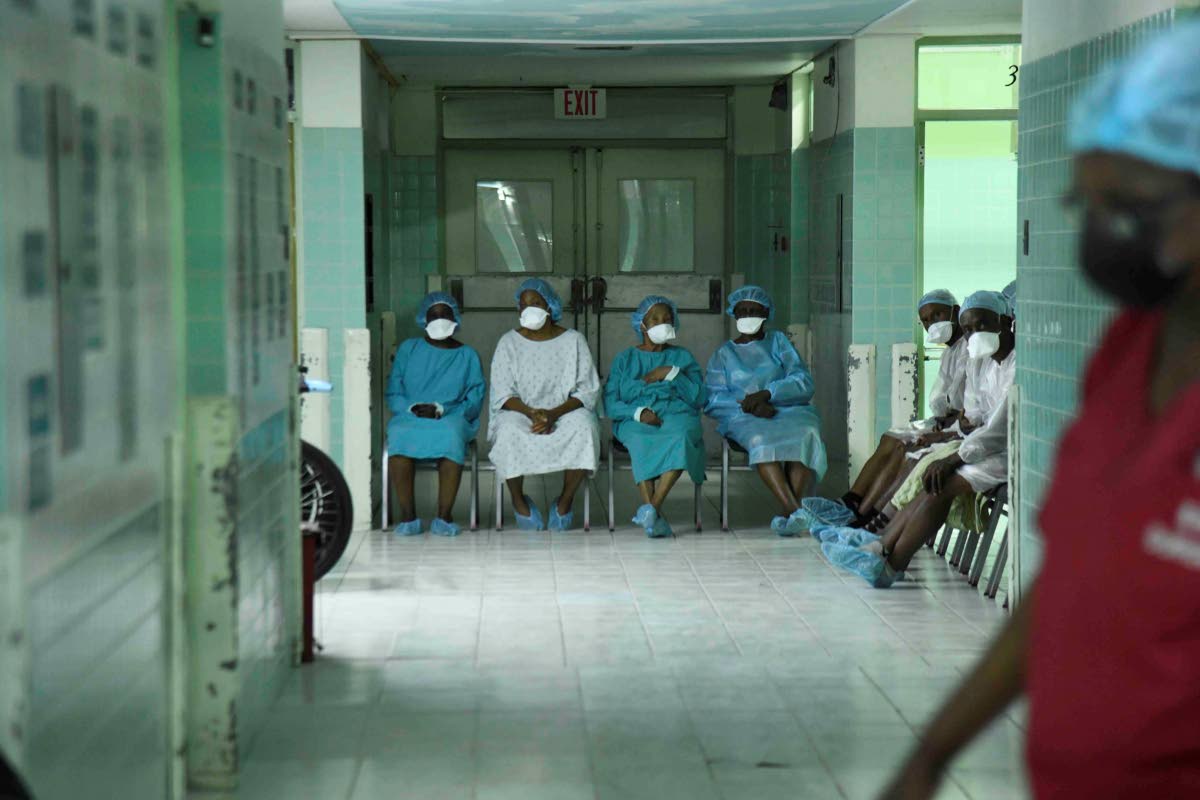 Surgical patients wait to be served inside the eye clinic at St Joseph’s Hospital in Kingston yesterday.
-
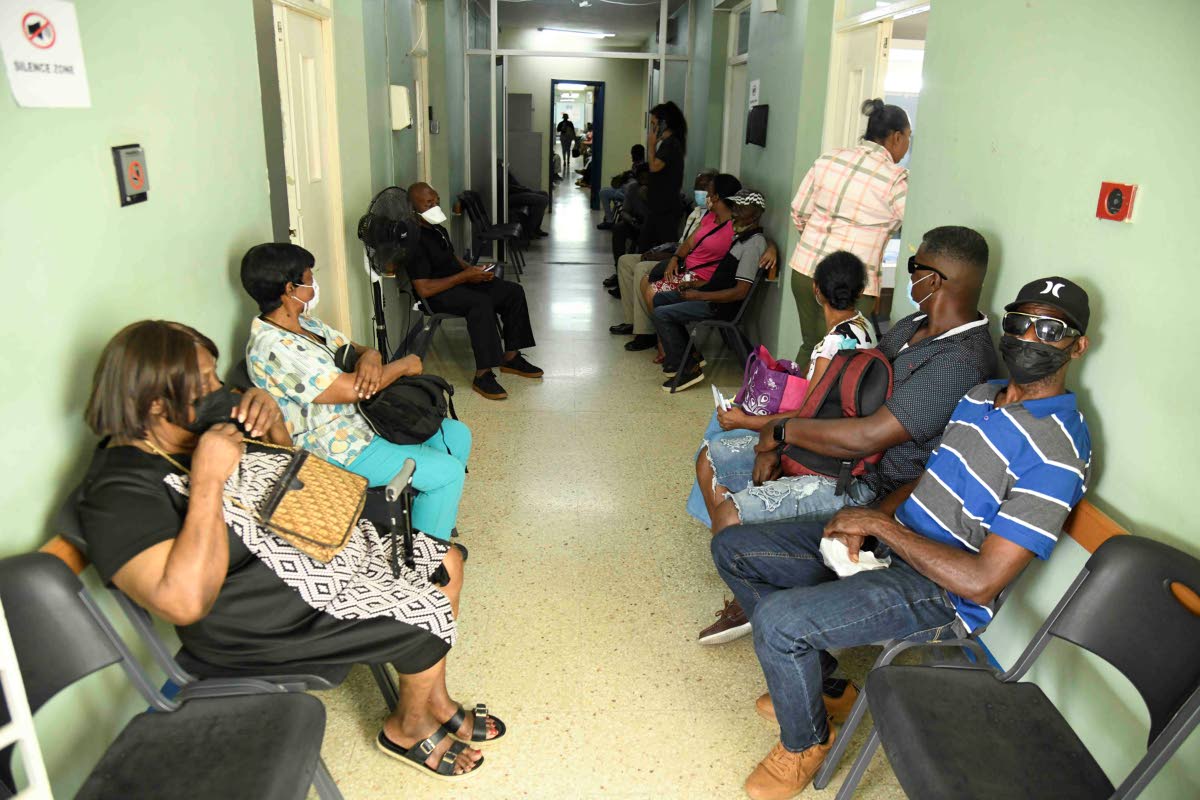 Patients wait to be served inside the eye clinic at St Josephs Hospital in Kingston yesterday.
The Ministry of Health and Wellness is making a plea for the public’s patience and cooperation as it assesses the islandwide impact, and implements contingencies to mitigate disruptions caused by the impending severance of ties with Cuban health professionals providing their services in Jamaica.
At the start of this month, there were 260 Cuban healthcare workers in the public healthcare system, the bulk of whom operate in the South East Regional Health Authority (SERHA), which is served by 97 of them, according to data from the ministry.
There are 50 Cuban health professionals operating in the Western Regional Health Authority (WRHA); 33 in the Southern Regional Health Authority (SRHA); 31 at the University Hospital of the West Indies (UHWI); and 18 attached to St Joseph’s Hospital’s Jamaica-Cuba Eye Care Programme. Seven Cuban nationals also operate in the Government’s public health lab, and one at Bellevue Hospital.
While the contracts with the healthcare workers are slated to come to an official end later this year, Health Minister Dr Christopher Tufton said offers have been made via the Cuban ambassador to provide direct contracts to Cuban healthcare professionals willing to remain on the island.
“We do not see the termination as a decision to discontinue the relationship. It is really around the format of the relationship. In the days and weeks to come, while we determine what level of take-up may come from that offer, we have started to put alternative arrangements in place to deal with the gaps that exist,” he said, adding that Cabinet has approved several contingency strategies.
The plans have been grouped into short-, medium-, and long-term strategies should all Cuban health professionals decide to leave Jamaica, he explained.
Maintaining critical services is the immediate priority. Measures include extending overtime and work hours, revising duty rosters and triage arrangements, and redeploying staff from low-demand to high-demand areas.
Outsourcing services to the private sector is another short-term strategy approved by the Cabinet, Tufton said, listing radiotherapy and cataract surgeries – particularly those linked to the Cuban eye-care programme at St Joseph’s Hospital in Kingston – among the primary focus areas.
Tufton was addressing a press conference late yesterday afternoon, updating the nation on health service plans following the end of technical cooperation with Cuba.
The briefing followed unrest at St Joseph’s Hospital, where anxious patients gathered in large numbers seeking to capitalise on the Jamaica-Cuba Eye Care Programme before its discontinuation.
Regarding that programme, Tufton said its operation will continue with the Cuban team until March 20. For the remainder of the programme, services will be limited to surgeries and post-operative care.
Other services previously offered under the programme will be routed through other public facilities, the ministry said. Approximately 140 patients have already been prepared and are awaiting surgery.
“Those procedures will take place. So those who have those appointments should not worry – they will take place,” Tufton said, noting that post-surgery care using the same Cuban staff will also continue.
Patients are therefore encouraged to keep their appointments, he added, noting that the Government is also working on contingencies to ensure the continuation of the critical programme.
CALL FOR OTHER PROFESSIONALS
For the medium term, Tufton said invitations have been extended to Jamaicans and other professionals in the diaspora to take up specialist posts locally.
So far 140 applications have been received, with 70 persons shortlisted for interviews. The interview process is expected to begin within two weeks, he said, noting that applicants include nurses currently working in the United Kingdom, Canada, the United States, and Ghana. They are expected to come on stream within the next three months.
“We are also expecting an additional 48 nurses and 33 doctors, who were recipients of the Barry Wint Scholarship. That scholarship was announced to do exactly what we are trying to do now – to train Jamaicans who qualify in areas where we have gaps and integrate them back into the system,” he said. “We will begin to see the results of that this year.”
Last week, the Ministry of Foreign Affairs and Foreign Trade announced that Jamaica would discontinue its medical cooperation programme with Cuba, ending a five-decade relationship under which healthcare workers from the communist nation filled key gaps in the local public health system.
“This comes as both governments were unable to agree on the terms and conditions of a new technical cooperation arrangement, following the expiration of the previous agreement in February 2023,” the ministry, led by Senator Kamina Johnson Smith, said in a statement.
It continued: “The Government of Jamaica has taken the decision to discontinue the current arrangement concerning the deployment of medical professionals in the public health sector by the government of Cuba.”
Jamaica’s decision comes as the United States intensifies economic pressure on Cuba and forces long-standing partners to revisit their relationship with the island nation. Washington has also accused Cuba’s overseas medical missions of constituting forced labour and human trafficking – allegations rejected by Caribbean leaders.
In a statement over the weekend, however, the Jamaican foreign ministry revealed that during a review last year, it became aware of issues with the programme that presented labour and legal concerns, including the Cuban healthcare workers not being in possession of their own passports, and payments being made by Jamaica to the Cuban authorities rather than the workers.
According to the foreign ministry, the changes to the programme proposed by the Jamaican Government failed to receive an adequate response from the Cuban authorities.
“Unfortunately, the continued lack of response had the practical effect of preserving an arrangement that Jamaica could not justify,” the ministry said in its statement issued on Saturday night. “Given our legal obligations, our duty to ensure fairness to workers in Jamaica, and the need for compliance with our own laws and international conventions, the Government ultimately concluded that continuation on the existing terms was untenable.”
corey.robinson@gleanerjm.com