Allan Bernard | A national day of recognition for the security forces?
Loading article...
-
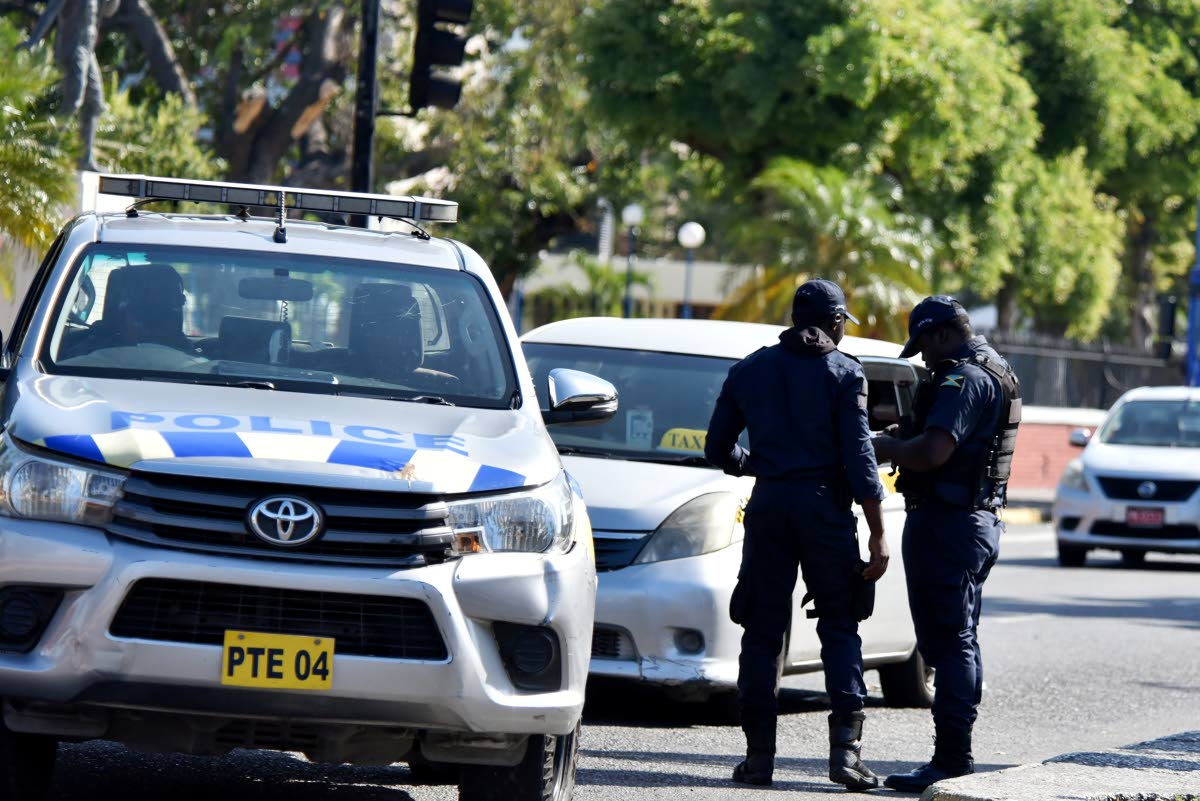
-
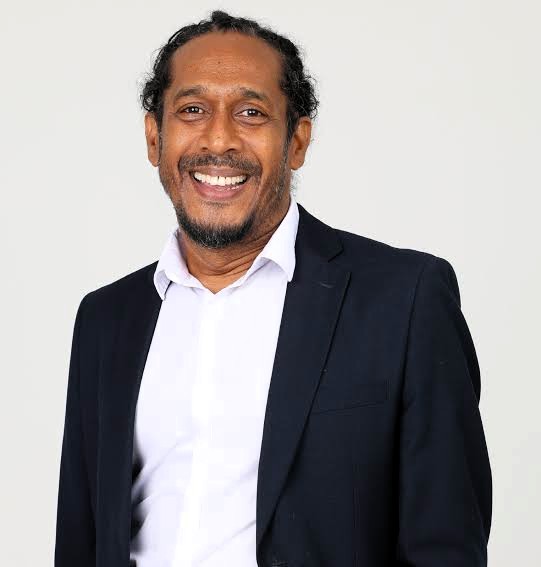
Allan Bernard
The proposal to establish a National Day of Recognition for Jamaica's security forces may, at first glance, seem reasonable and even commendable. Few Jamaicans would dispute that police and military personnel perform difficult duties, often under challenging circumstances. Many serve with professionalism, courage, and personal sacrifice.
However, acknowledging those realities is not the same as concluding that Jamaica is ready to dedicate a national day to celebrating its security forces.
In fact, the proposal advanced by government Senator Marlon Morgan may be one of the most poorly timed public-policy initiatives in recent memory. At best, it is premature and insufficiently thought through. At worst, it is politically opportunistic and remarkably tone-deaf to the legitimate concerns that continue to surround Jamaica's approach to crime fighting.
It comes at a time when the country remains divided over the methods being used to achieve the crime reductions repeatedly highlighted by the Government. There is no denying that Jamaica has experienced a decline in murders in recent years. That progress has brought relief to many communities and renewed hope that decades of entrenched violence can be reversed.
Notwithstanding, crime statistics alone will not tell the full story.
Running parallel to these gains has been persistent criticism from human rights advocates, civil society groups, legal professionals, and ordinary citizens regarding the high number of fatal police shootings. While the Government celebrates falling murder rates, many Jamaicans continue to ask difficult questions:
- How many of these fatal encounters were unavoidable?
- How many involved legitimate use of force?
- How many were properly investigated?
- How many resulted in accountability where wrongdoing was found?
- What impact are these incidents having on public confidence in law enforcement?
These are not anti-police questions. They are democratic questions.
The legitimacy of any law-enforcement institution rests not only on its ability to reduce crime but also on its adherence to the rule of law, constitutional safeguards, and public accountability. A police force must be both effective and trusted. One cannot permanently substitute for the other.
This is why the proposal for a National Security Forces Day feels disconnected from the current national mood.
Supporters argue that the security forces now enjoy considerable public approval and that institutional reforms have strengthened accountability, professionalism, and respect for human rights. If so, those claims should be capable of withstanding public scrutiny and national debate.
Yet the proposal appears to bypass that debate altogether.
Rather than initiating a conversation about the evolving role of policing in Jamaica, it assumes a level of societal consensus that may not actually exist. The reality is that many communities continue to experience a strained relationship with law enforcement. For some Jamaicans, interactions with the police are characterised by protection and partnership. For others, they are characterised by fear, distrust, and unresolved grievances.
That tension cannot simply be wished away through symbolic recognition.
Indeed, the timing has become even more problematic in light of continuing reports of fatal police encounters. With reports indicating that eleven individuals were fatally shot by the police on June 9, alone, it is hardly surprising that public enthusiasm for such a commemorative day has diminished.
In many respects, the silence that has since surrounded the proposal is telling.
Calls for a national day that initially appeared to gain traction in the St. James and Trelawny Municipal Corporations have largely faded from public discussion. That is not because Jamaicans suddenly stopped appreciating the difficult work performed by members of the security forces. Rather, it is because the country has been reminded that the relationship between law enforcement and the public remains far more complex than the proposal's supporters seemed willing to acknowledge.
There is also a troubling political dimension to the initiative.
The proposal emerged during a period when the Government has been eager to showcase crime reduction as one of its signature achievements. In that context, a national day honouring the security forces risks being perceived less as a genuine expression of gratitude and more as an effort to reinforce a particular political narrative about the Government's security strategy.
National commemorations should unite a country around shared values and collective experiences. They should emerge from broad consensus, not partisan triumphalism. A National Security Forces Day, if it is ever to be established, should be the culmination of a mature national dialogue.
That dialogue must confront several difficult but necessary questions:
- What balance should exist between crime suppression and the protection of constitutional rights?
- What mechanisms of police accountability are sufficient in a modern democracy?
- How should allegations of excessive force be investigated?
- How can trust be rebuilt in communities where relationships with law enforcement remain fragile?
- What kind of policing culture does Jamaica ultimately wish to promote?
Until those questions are meaningfully addressed, any attempt to institutionalise a national celebration for the security forces will inevitably appear premature.
The truth is that Jamaica does not need a day of celebration nearly as much as it needs a conversation about public safety, justice, accountability, rights, and the relationship between the State and the citizens it serves.
Only when that conversation has taken place, and only when a broad national consensus has emerged, should the country consider whether a National Day of Recognition for the Security Forces is appropriate.
Recognition, after all, is most meaningful when it is earned through trust, not merely proclaimed through legislation.
Allan Bernard is a People’s National Party senator