Counterfeiters target Jamaica’s plastic banknotes
Loading article...
-
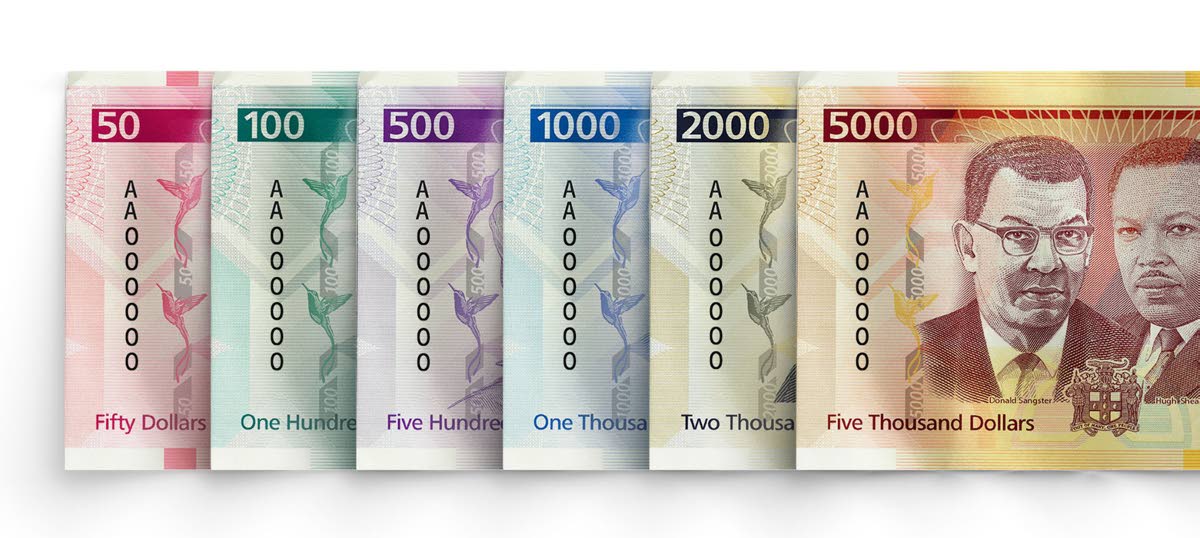 New polymer banknotes
-
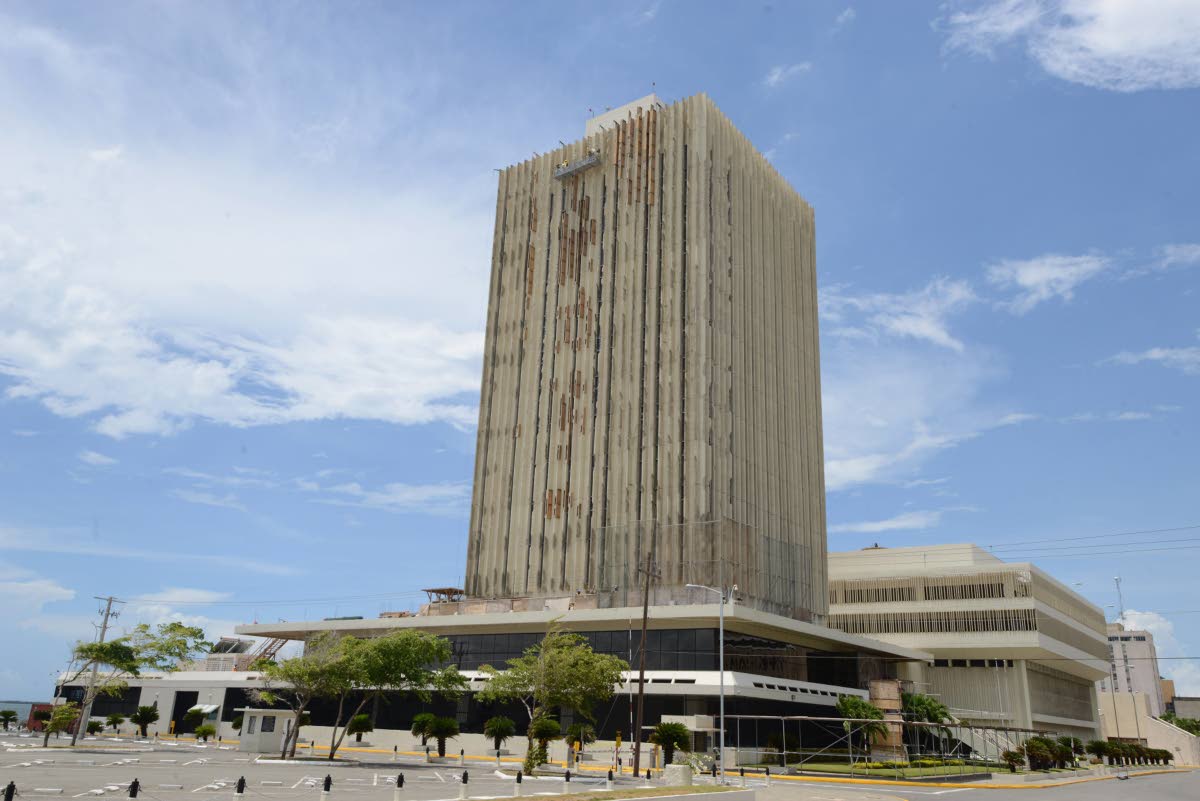 Bank of Jamaica building at at Nethersole Place, Kingston.
-
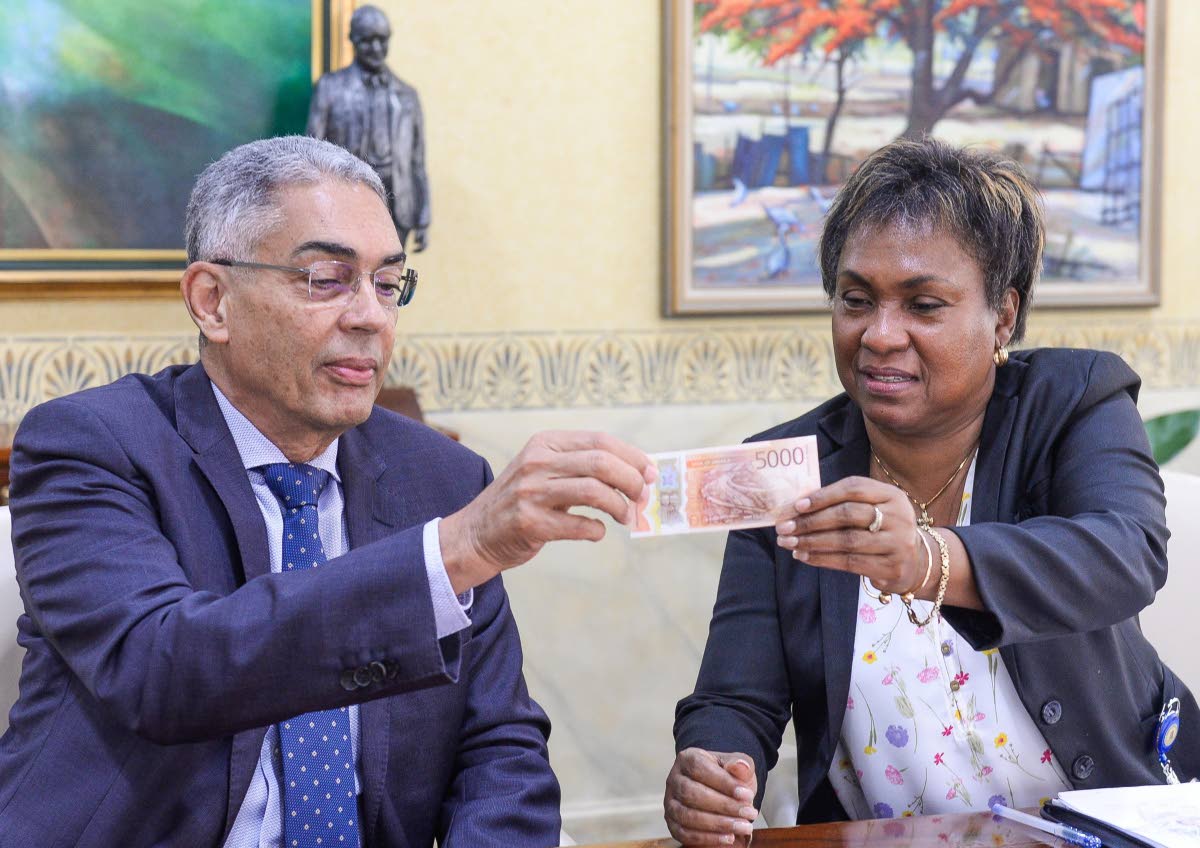 Bank of Jamaica (BOJ) Governor Richard Byles (left) examines features on the new $5,000 note, being highlighted by BOJ Division Chief for Banking and Currency Operations, Chevanese Morais.
Fraudsters are counterfeiting Jamaica’s plastic polymer banknotes, according to the regulator in its annual report.
The Bank of Jamaica (BOJ), however, insists it still detected three times more cotton fakes than polymer fakes in 2025. Specifically, the BOJ detected 69 fake polymer notes valued at $300,000 during 2025, up from 19 counterfeit polymer notes valued at under $100,000 in 2024. Though small in absolute terms, the rise suggests forgers are increasingly turning their attention to the plastic bills that have replaced the island’s cotton-based notes, and could hint at larger volumes that have gone undetected.
The central bank pushed back against any suggestion that polymer notes are proving vulnerable. Counterfeit cotton-based notes – the old bills that ceased to be legal tender on July 1, 2025 – still accounted for the bulk of fake currency detected, with 380 cotton counterfeits valued at $1.0 million found in 2025, roughly three times the value of polymer fakes. “There continued to be fewer attempts made at counterfeiting the polymer notes, relative to the attempts made at the cotton-based notes,” the BOJ said in its annual report.
The $5,000 note remained the primary target across both substrates, with “a total of 228 counterfeit $5,000 notes valued at $1.1 million detected” in 2025, the BOJ said.
Polymer banknotes now dominate circulation. “Consistent with this transition, polymer banknotes accounted for 96.8 per cent, or $304.5 billion, of the value of all banknotes in circulation at end-2025,” the BOJ stated.
The notes are designed to offer greater durability and stronger anti-counterfeiting features, though the BOJ cautioned it is too early to draw firm conclusions. “Although polymer banknotes have been in circulation since June 15, 2023, this time period is too short to provide reliable data for the accurate assessment of the average circulation life of the polymer banknotes,” the report stated, adding that the notes “are expected to exhibit a longer lifecycle when compared with their cotton-based counterparts”.
business@gleanerjm.com