Christopher Tufton | Protecting Jamaicans from tobacco’s quiet toll
Loading article...
-
 Photo - Pexels
-
Photo - Pexels
-
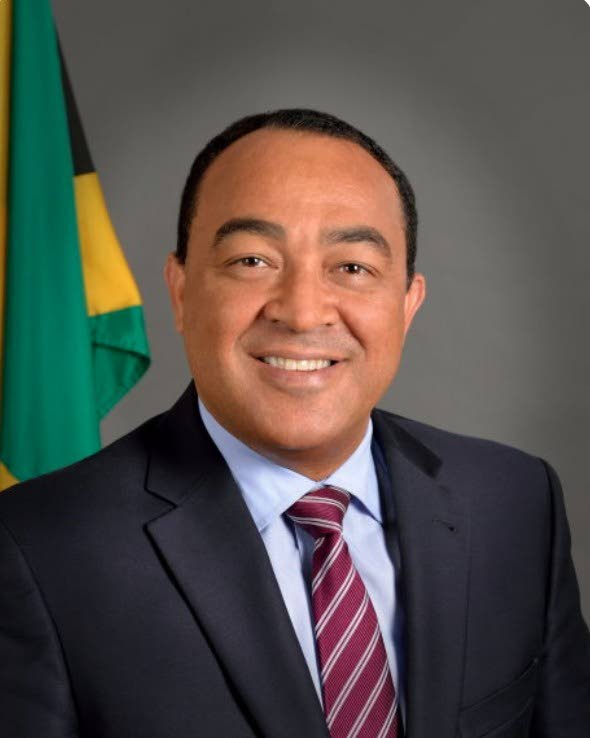 Christopher Tufton, minister of health and wellness. Photo - AG Guest Guest
The Gleaner’s November 14 editorial ‘Confronting the quiet respiratory crisis’ on chronic obstructive pulmonary disease (COPD) was right to describe it as a quiet crisis.
Unlike outbreaks or more visible illnesses, COPD rarely commands sustained public attention. Yet it remains among Jamaica’s leading causes of death, imposing a growing burden on families and the public health system. The editorial correctly identifies tobacco use as the primary driver of this disease, and I welcome both that clarity and its call for a stronger national response.
The evidence is clear. According to the World Health Organization (WHO), second-hand smoke kills approximately 1.3 million people worldwide each year. These are people who never chose to smoke but suffer the consequences of breathing tobacco smoke at home, at work or in public spaces. WHO is unequivocal that there is no safe level of exposure. Second-hand smoke causes heart disease, stroke, lung cancer and COPD.
The picture is no better for newer nicotine products. WHO warns that emissions from e-cigarettes contain nicotine and other toxic substances that can harm both users and bystanders. Despite industry messaging, vaping is not harmless. Jamaica has made important progress in tobacco control, but we cannot be satisfied with partial protection when the evidence demands stronger action.
OUR CHILDREN
Perhaps the most troubling aspect of this issue is its impact on young people.
The most recent Global Youth Tobacco Survey found that 11.7 per cent of Jamaican students aged 13 to 15 use e-cigarettes, while 11.2 per cent smoke conventional cigarettes. Nearly one-third reported exposure to tobacco smoke at home and almost half in enclosed public places.
These figures should concern every parent. Many Jamaican children are being exposed to tobacco smoke before they are old enough to make informed decisions for themselves. At the same time, flavoured and attractively packaged vaping products continue to appeal to young consumers.
A child who begins smoking or vaping during adolescence is far more likely to become an adult living with chronic respiratory disease and other tobacco-related illnesses. Prevention must therefore begin early. Every effective tobacco-control strategy starts with protecting children from exposure, addiction and targeted marketing.
LEGAL STATUS
Jamaica has not stood still.
The Public Health (Tobacco Control) Regulations of 2013 marked an important advance. They prohibited smoking in enclosed public places, indoor workplaces and public transportation, extended restrictions to certain outdoor areas, and introduced graphic health warnings on tobacco packaging.
These measures were significant achievements, and I commend the policymakers, advocates and civil-society organisations whose efforts made them possible.
However, regulations alone cannot fully meet Jamaica’s obligations under the WHO Framework Convention on Tobacco Control, which we joined in 2005. They do not comprehensively address tobacco advertising, promotion and sponsorship, product displays at points of sale, sales to and by minors, or the growing market for vaping products.
This is why the Tobacco Control Bill is so important.
I tabled the legislation in 2020, and it has since undergone detailed review by a Joint Select Committee of Parliament. Health advocates, international partners and industry representatives have all had an opportunity to present their views. Such scrutiny is both necessary and healthy.
Legislators have rightly debated penalties and the scope of restrictions. A law affecting businesses, consumers and public spaces deserves careful examination. But careful examination should not become endless delay.
The Bill would establish Jamaica’s most comprehensive tobacco-control framework to date. It would restrict the marketing of tobacco products to young people, prohibit sales to minors and bring e-cigarettes and other emerging nicotine products firmly within the law, including restrictions on their use in public spaces.
I will continue to advocate for its passage because every year of delay creates opportunities for more young Jamaicans to be exposed to products designed to foster lifelong addiction.
PRICE, EDUCATION AND CESSATION
Legislation is only one part of the solution.
International evidence consistently shows that higher tobacco taxes are among the most effective tools for reducing tobacco use, especially among young people. Increasing prices discourages initiation, encourages cessation and reduces overall consumption. The Government has already increased the special consumption tax on cigarettes.
The editorial proposes additional measures, including indexing tobacco taxes to inflation and directing a portion of revenues towards smoking-cessation programmes and pulmonary rehabilitation services. These are serious proposals that merit consideration.
Education remains equally important. Public-health campaigns must continue to communicate a simple message: smoking harms the smoker, second-hand smoke harms everyone nearby, and vaping is not a safe alternative.
OUR PARTNERS
No minister succeeds in public health alone.
I want to acknowledge the contribution of the Heart Foundation of Jamaica, which hosts the Jamaica Coalition for Tobacco Control. For many years, it has been a consistent advocate for stronger tobacco-control measures, supporting the 2013 regulations, promoting comprehensive legislation and drawing attention to the accessibility of vaping products to young people.
I also acknowledge the National Council on Drug Abuse, the Ministry of Education, Youth, Skills and Information, the Pan American Health Organization, the Jamaica Cancer Society and other partners committed to this effort.
ENFORCEMENT
The editorial is also correct to emphasise enforcement. A ban that is not enforced protects no one.
We must continue working with the police, municipal corporations and public-health inspectors to ensure smoke-free spaces are a reality rather than merely a legal requirement. Citizens also have a role to play and have every right to expect compliance with smoke-free laws.
The editorial notes that lung health depends on more than tobacco alone. Air pollution, waste burning and vehicle emissions also matter. However, tobacco remains one of the most preventable causes of illness and death, and decisive action in this area can produce immediate benefits.
Every smoke-free restaurant, workplace and home is a step towards fewer respiratory emergencies, fewer cancers and healthier lives. If you smoke, quitting at any age improves your health. If you do not smoke, you have every right to breathe clean air. And if you are a parent, speak with your children about vaping before the industry does.
COPD may be a quiet crisis, but Jamaica does not have to confront it in silence. The evidence is clear, the solutions are known, and the time for action is now.
Christopher Tufton, PhD, is Jamaica’s minister of health and wellness. Send feedback to columns@gleanerjm.com