Back to school against the odds - Rural St Mary students face tough return amid flooding threat, outstanding repairs and parents struggling with costs
Loading article...
-
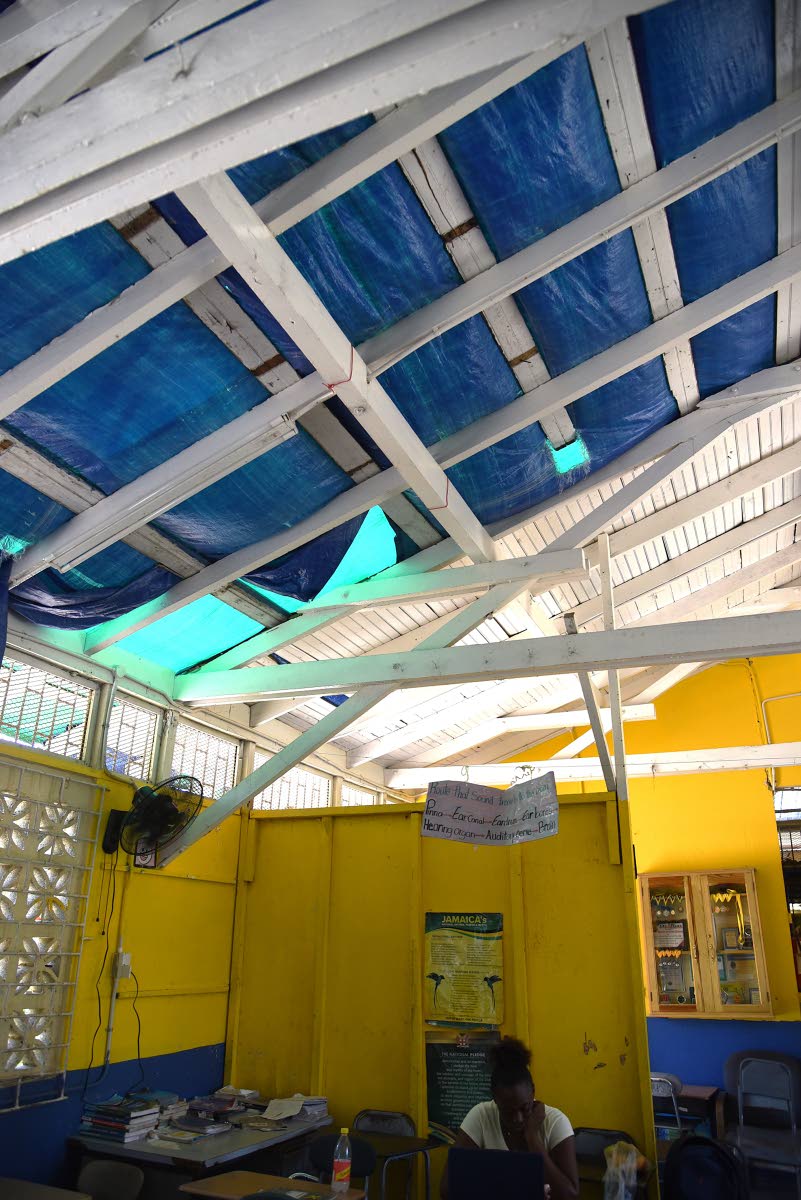 A roofless section of the Baxter’s Mountain Primary School in St Mary.
-
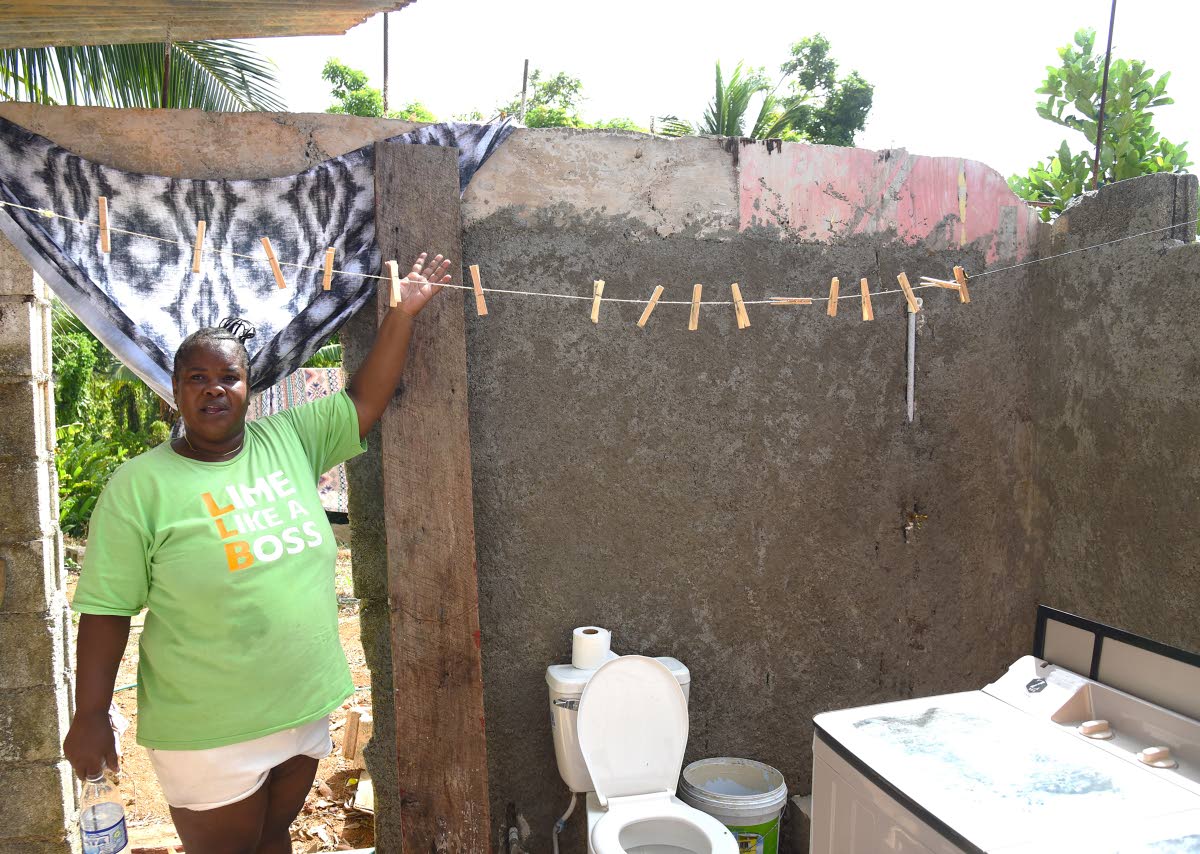 Shopkeeper Andrea Kelly shows her bathroom under construction. She has decided to prioritise this ahead of back-to-school expenses as she is tired of using neighbours’ bathrooms.
-
 Oneneek Seymour from Pleasant Hill, St. Mary, displays one of the uniform shirts she has purchased for her son, a student of Baxters Mountain Primary school.
-
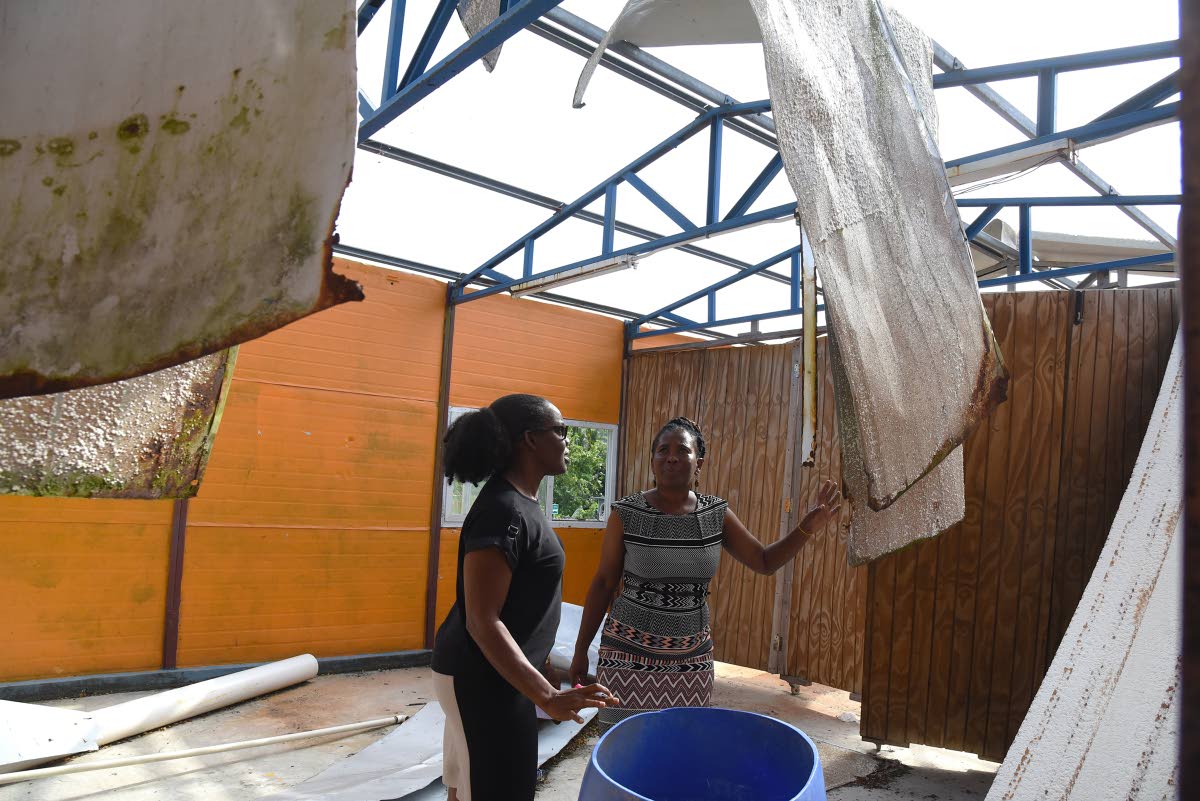 Tanshea Williams-Johnson (left), vice-principal of St Mary Technical High School, and Marvalee Tomlinson-Russell, head of the Sixth Form Department, inspect the damaged sixth-form block at the school last week.
-
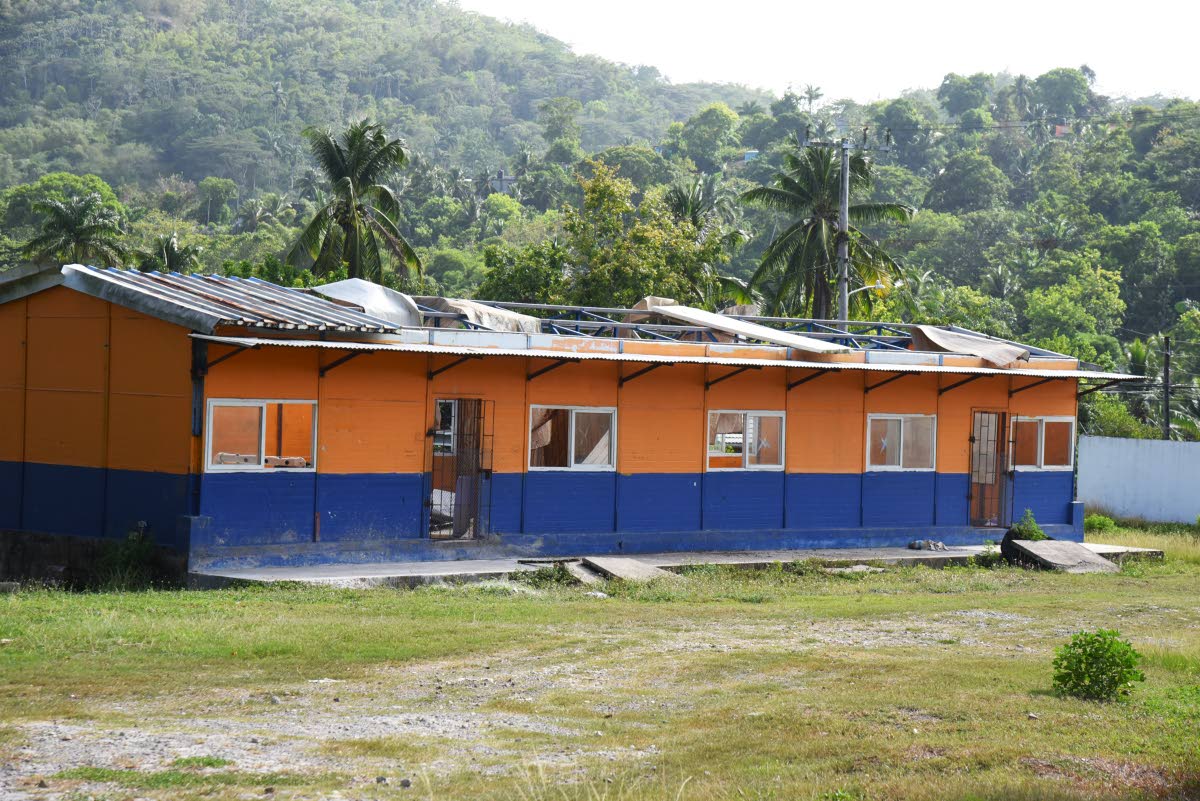 The damaged sixth-form block at St Mary Technical High School.
-
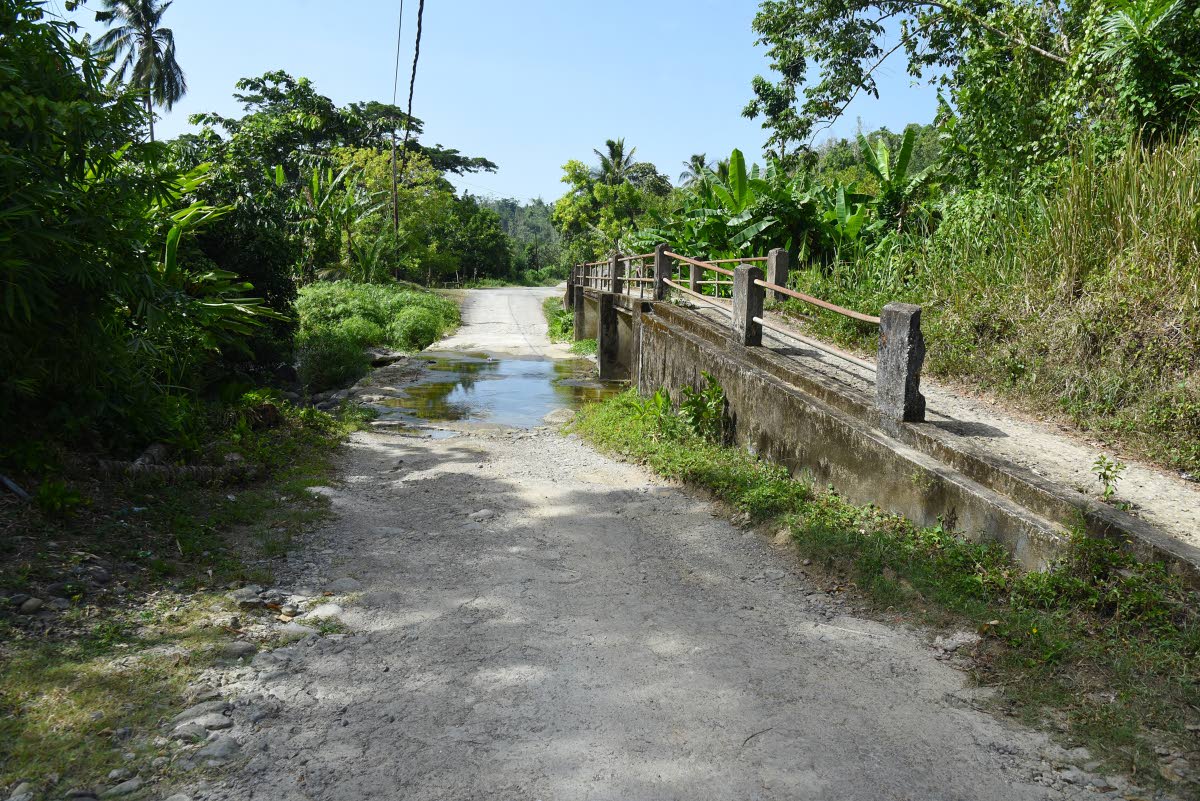 The ford and bridge at the entrance to Pleasant Hill in St Mary often become impassable when it rains heavily.
-
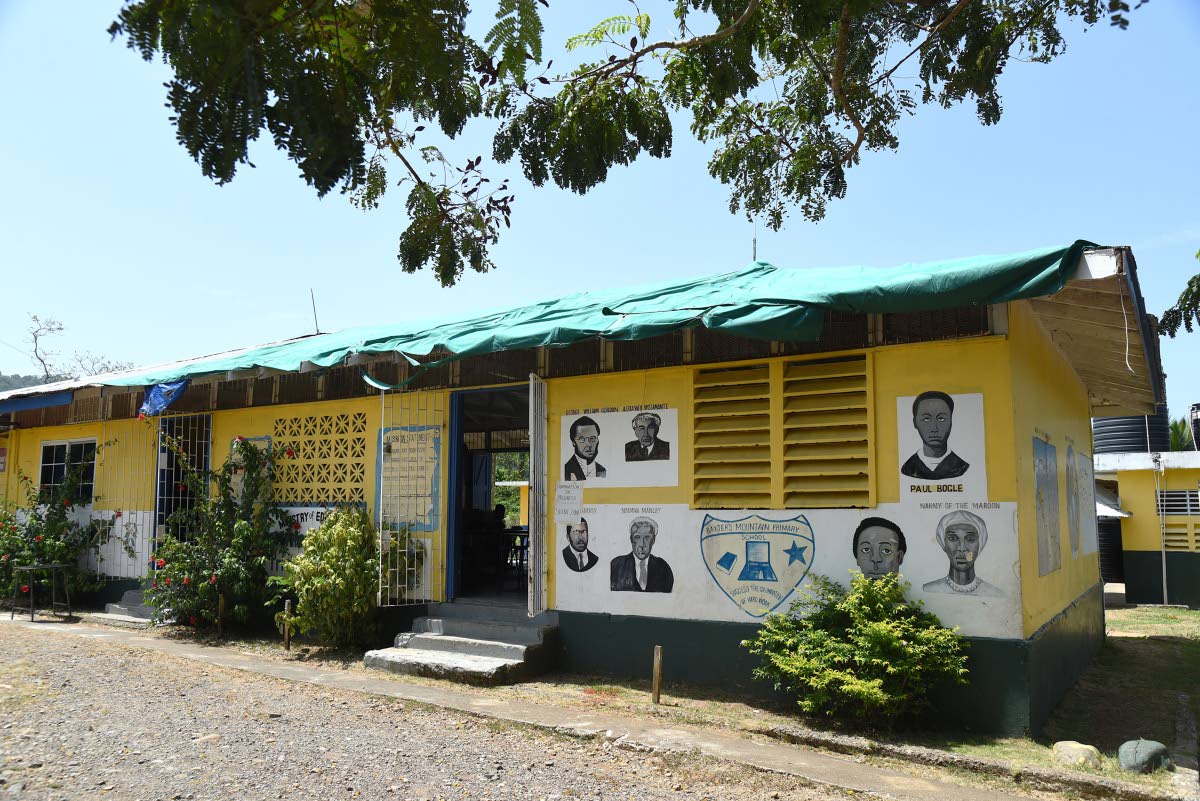 The roof on this building at Baxter’s Mountain Primary School has not been repaired since the passage of Hurricane Melissa last October.
-
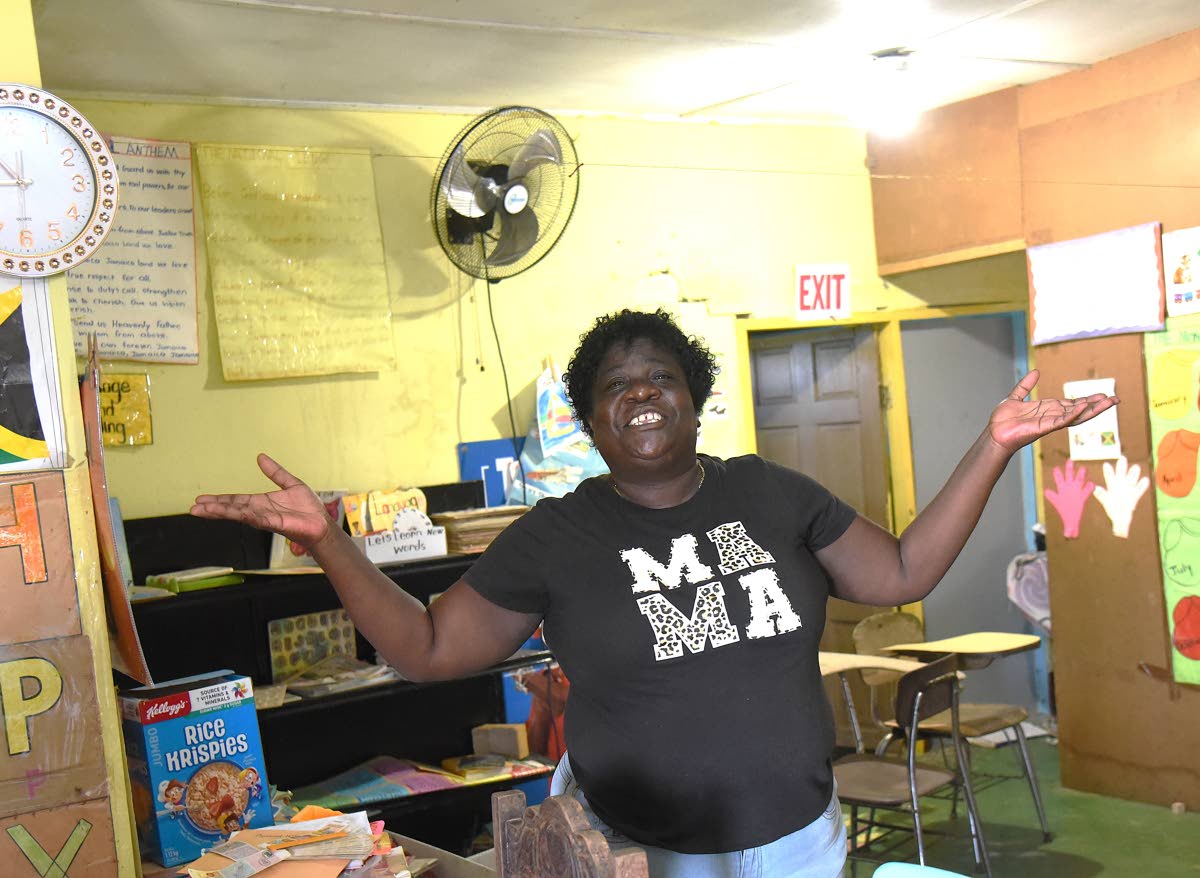 Jacqueline Campbell, principal of Pleasant Hill Early Childhood Education Institution, needs more support as the new school year approaches.
Daily schooling in the deep rural communities of Baxter’s Mountain and Pleasant Hill in St Mary involves more than books, pencils, uniforms and school supplies. It also requires the will to battle the elements.
When the rains come heavily, two rivers can turn the journey to school into a dangerous expedition, with children forced to cross fords that can swell within minutes. For some, getting home means waiting for the water to subside. For others, it means being rescued.
And, sometimes, there is no crossing at all.
The communities sit on opposite sides of a V-shaped stretch of hilly terrain, with waterways cutting across the roads at both ends. For children from Pleasant Hill attending Baxter’s Mountain Primary, the journey home means crossing both fords.
When it rains, parents wait for phone calls from the school. Vehicle owners prepare to move in. Teachers keep watch. And, if the water rises too quickly, the school becomes a shelter until the danger passes.
But, with the roof of the main building having been ripped off during Hurricane Melissa last October, not much is left of that sanctuary.
Baxter’s Mountain Primary Principal Sherene Harris said the reality is even more painful as the September 7 start to the new school year approaches. For her, there is little certainty about what things will look like, with the roof of the grades three and four block severely damaged.
“I am a bit frustrated because it is as if we have no representation here. Except for people from the Ministry [of Education], I have never seen anybody come to check on us,” she told The Sunday Gleaner.
“The students come from low socio-economic backgrounds and are at a disadvantage, and, with the current situation with the fords, they are also at a disadvantage with getting to school,” Harris said.
“And, remember, they are being measured against other schools which are fully functional. When it rains, they can’t get to school, and the school is small and it is multi-grade. That means that, when we have national exams, most of [the students] are asked to stay home because we are unable to accommodate everybody.
“That also puts the other students at a disadvantage regarding their contact hours ... . They are asked to stay home when it is raining heavily and they are asked to stay home when we have national exams. There are just so many times when these students are asked to stay home; and now we are at a place where students should be going out on September 7 and we are unsure what will happen,” she said.
The school has just over 70 students enrolled and, while Harris describes the community as being resilient, coming together to solve problems such as potholes and other challenges, some tasks are beyond them, she said.
The damaged classrooms and the ill-fated fords are among those, and Harris said she has been calling on the authorities and private entities to help remedy the school’s challenges.
So far, help has been slow.
Problems are longstanding
Harris has worked at the school for years, and said the problems are longstanding.
Shopkeeper Andrea Kelly shares Harris’ anxiety whenever it rains.
Her nine-year-old daughter and seven-year-old son attend Baxter’s Mountain Primary and, when the rain begins, she follows the routine.
“The principal will call us and we will make an effort to get to the nearest point,” she told The Sunday Gleaner.
“If the water is rising, the principal tries to get the children across before the ford becomes impassable. If they are already on the school side, they stay there,” she added.
“I fret when they are over there and cannot come across,” Kelly said. “But the principal is a nice lady, and so, once she has them, we know that we are good.”
Kelly’s worry about the rivers is matched by another more familiar back-to-school concern: money.
So far, she has uniforms for both children and has received two school bags through the school. But that is about it.
She explained that she recently returned from a six-month work stint in Barbados, but said much of the money she earned went towards installing a toilet and shower at her home. The bathroom still has no roof.
“But I am starting back-to-school shopping now. It’s not like I am pushing it back – because I know that it is important – but the bathroom is also important and I’m tired of using other people’s bathrooms,” she said.
The calculation is no easier for Oneneek Seymour, another Pleasant Hill parent whose daughter is entering Grade 10 at Annotto Bay High School. So far, she has managed to secure only the uniform, though she has submitted what she jokingly calls her “applications” for assistance.
“I don’t get her shoes yet or her bag. I have put in the applications, but they have not come through yet. Anything that comes first, we will take it,” she said, laughing, albeit serious about the economic reality she faces in the sleepy, rustic community.
Of Seymour’s six children, only two are returning to school this year.
One recently graduated high school and is contemplating tertiary education – a dream that, in communities such as Pleasant Hill, can feel more like a luxury than a right.
Transportation adds another burden
Transportation adds another burden, she said, adding that one child receives $700 daily, while another gets $1,500. That money must cover transportation, lunch and whatever else they need during the school day.
“But now, fare raise, so yuh know we have to put on a little more on it,” Seymour told The Sunday Gleaner, still laughing at her predicament.
Both Baxter’s Mountain Primary and St Mary Technical High School were listed as ‘Priority One’ schools by the National Education Trust (NET), because of the magnitude of damage from Hurricane Melissa last October.
At the latter, about 102 sixth-form students have since been forced into spaces never intended to serve as their classrooms – physical laboratories, small rooms, and even the school’s stage.
“They are roaming all over the place,” admitted Vice-Principal Tanshea Williams-Johnson. “When their timetables suggest that they should use their home room, they do not have a definitive space for that.”
The school has about 950 students and, apart from the sixth-form crisis, it is about 85 to 90 per cent ready for the new school year, she said.
Temporary wooden facility
A contractor has been engaged on an emergency basis to construct a temporary wooden facility while the destroyed block awaits reconstruction, she explained to The Sunday Gleaner, adding, however, that the school is also dealing with a furniture shortage.
Just last year, the school received desks from the education ministry, only for some of them to fail within weeks.
“We are trying to repair some of them,” she said, fearing that not all will be done in time for the new school year.
NET Executive Director Latoya Harris Ghartey said the temporary classrooms for Baxter’s Mountain have been ordered and are expected to arrive shortly. So, too, are those designated for St Mary Technical.
“I got the bill of lading earlier, so I know that they (containers) are on their way. They should be here for the first week of September,” she said.
In the meantime, St Mary South Eastern Member of Parliament Christopher Brown said he has been pressing the authorities over the condition of both schools.
He said he has also engaged the National Works Agency about Baxter’s Mountain’s long-standing flooding problem, and has secured a new bridge for the community under a government programme. But he could not say when it would be built.
“The truth is that the community suffers very badly and it is not a recent phenomenon,” Brown told The Sunday Gleaner.
He said he is keeping an eye on the Baxter’s Mountain Primary and St Mary Technical repairs, though they are too slow for his comfort.
“In terms of other back-to-school efforts, all of my PEP (Primary Exit Profile) students from close to 19 primary schools and all of the graduates entering high school, every single one of them received support as they transitioned from primary into secondary school,” he said, adding that back-to-school medicals were done free of cost for students throughout the constituency.
Jacqueline Campbell, principal of Pleasant Hill Early Childhood School, said she could use some of that support for her 12 students.
Unlike other early childhood institutions, the school has no swings, slides or monkey bars. And it has no computers.
“From you coming into the schoolyard, you will see that we don’t have anything, and that we need help,” Campbell said. “Sometimes the students come to school for the whole year and they don’t have workbooks because the parents cannot afford it.”
For some families, basic stationery for students is a luxury.
Last week, desks and chairs lay scattered, while maintenance problems were visible in classrooms. A shortage of fans means children often spend their school days sweating through the heat.
Campbell says fundraising and the generosity of others are what keep the school afloat.
But, as September 7 approaches, preparations continue.
Uniforms are being sewn. School bags are being collected. Parents are calculating bus fares, and teachers are trying to secure classrooms.
corey.robinson@gleanerjm.com