Tufton announces $1b injection to create infrastructure maintenance facility; new fund to tackle social determinants of health
Loading article...
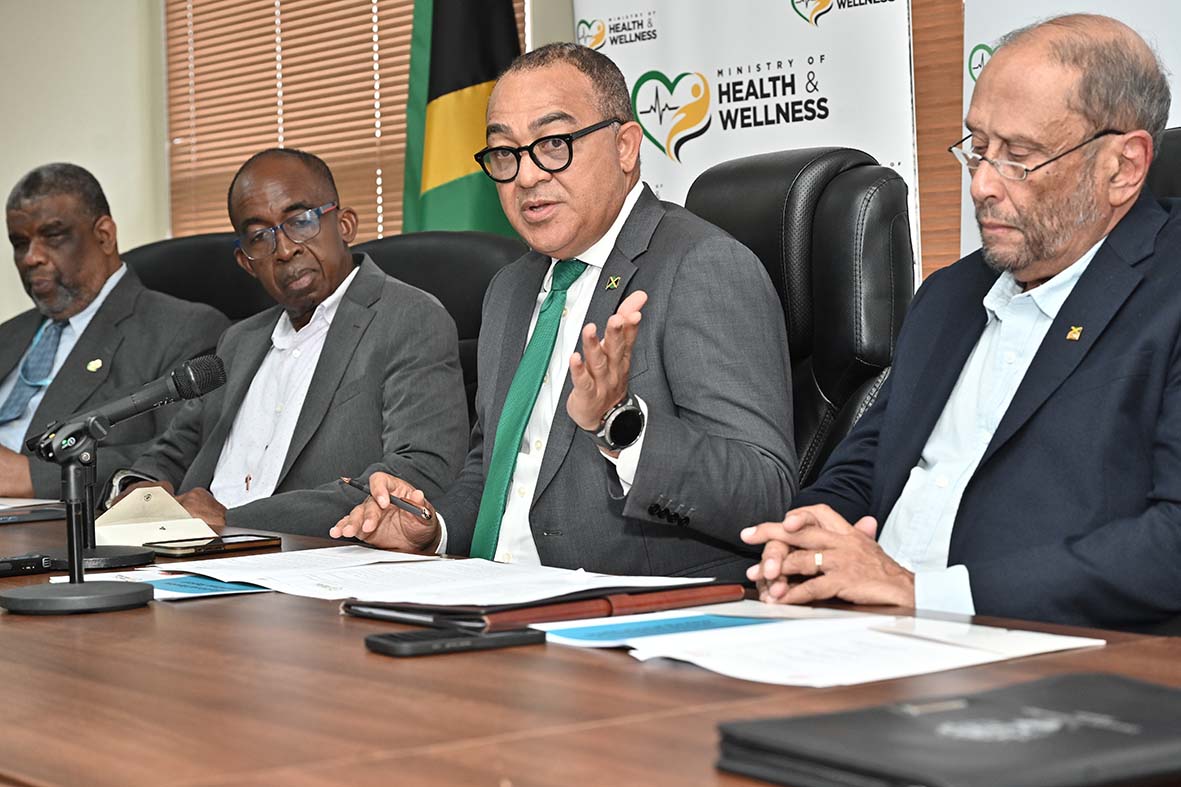
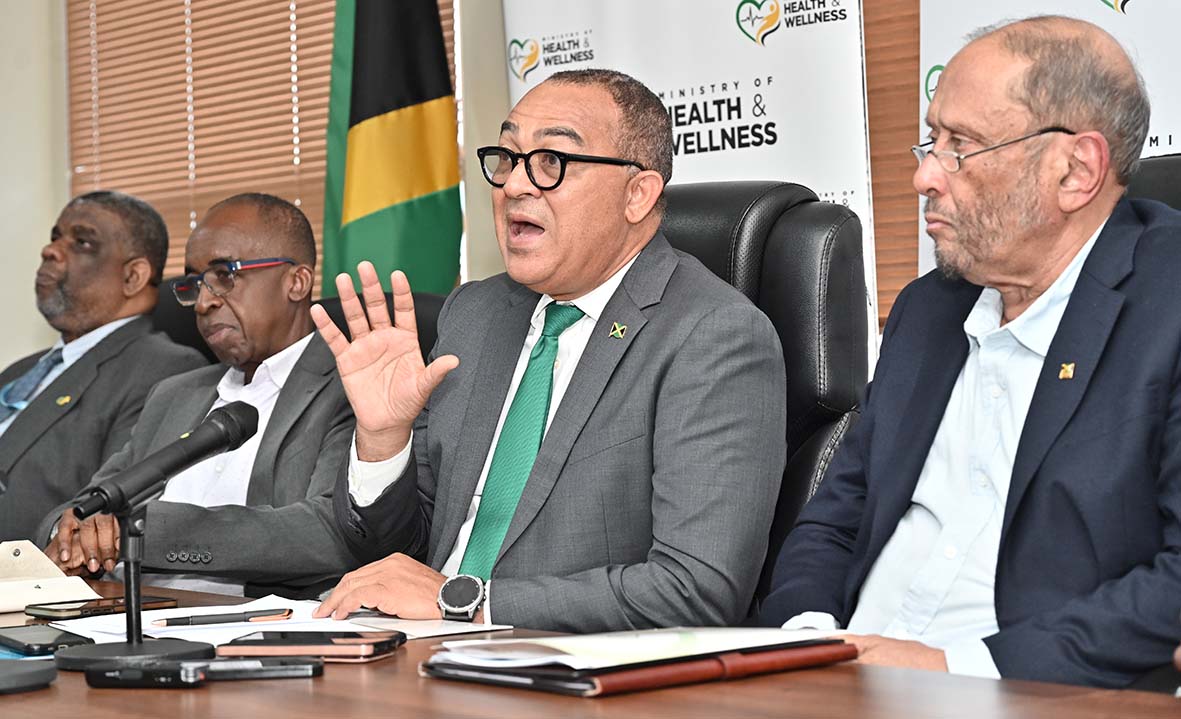
Amid ongoing complaints about the state of infrastructure in the health sector, the Government will, this year, be pumping $1 billion into the establishment of its Health Infrastructure Maintenance Fund (HIMF), through which a range of initiatives are to be established this year with the aim of addressing ongoing concerns about the rundown state of facilities in the health sector as well as tackle the social factors that play a role in determining the poor state of health of large segments of the Jamaican population.
Chief among the initiatives announced by Health and Wellness Minister Dr Christopher Tufton yesterday is the pumping of $1 billion into completing the work needed ahead of full rollout of a new Health Infrastructure Maintenance Fund (HIMF) as well as the establishment of a $500-million Social Determinants of Health CARE Fund, which will focus on 10 specific areas impacting health.
Making his contribution to the 2026-2027 Sectoral Debate in the House of Representatives yesterday, Tufton said preparatory work on the HIMF had already started under the Health Infrastructure Planning and Project Management Division in the ministry and that former regional director of the Western Regional Health Authority (WRHA) St Andrade Sinclair has been shifted to his ministry’s head office to develop this new function.
“This fund will be financed through a percentage of the health budget dedicated to a process of routine and unexpected maintenance through a series of specific initiatives involving establishing baseline inventory logging, establishing routine maintenance schedules, and outsourcing the monitoring and maintenance of our health infrastructure, with a focus on mechanical, electrical, and plumbing and air conditioning or HVAC and elevator services,” Tufton said.
Tufton said the intention is to develop operational manuals and terms of reference and performance criteria with critical success factors and outsource the routine maintenance of these specific functions for health facilities.
“We expect to use this financial year to complete the work for full rollout next financial year based on a free pilot this year. Approximately J$1 billion has been earmarked in this year's budget for this new function. We must eliminate the unexpected breakdowns of our health facilities because we fail to plan,” he added.
“Also, we must hold service providers to account for service contracts they have with hospitals and health centres through the establishment of key performance indicators. More will be said on this as we build out, including the key policy support mechanism.”
Turning to the Social Determinants of Health CARE Fund, Tufton said it was being set up to provide support to community projects linked to strategies for the prevention of non-communicable diseases (NCDs). The fund will operate for two years.
CARE is an acronym for Community Arranged Response Efforts.
The fund will be managed by the health ministry’s Enabling Environment in Health and Client Services Division and will seek to work with community-based organisations, faith-based organisations, and other civil society groups to “increase health-seeking behaviour, improve and strengthen families to support vulnerable persons like the disabled and elderly, and promote prevention strategies for NCDs along the life course”.
Tufton cited several contributing factors to the rise in NCDs such as lower- than-expected vaccine coverage, childhood obesity, early initiation to sex, poor sexual practices, poor work life balance, mental illness, and poor elder care practices.
“These challenges exacerbate the economic realities of the Jamaican people and undermine the country’s ability to meet our shared vision for the future,” he noted.
Tufton said the ministry will publish a call for proposals on June 15, inviting organisations from across the island to participate in the collaboration aimed at managing the many societal risks.
“The ministry will also approach strategic entities to support the engagement of our communities and families, ensuring that we have the broadest and most engaged collaborative structure to meet the objectives that have been established.”
The 10 areas that the CARE Fund will focus on are social media and children; healthy aging, menopause, and andropause community-support systems; training for home care for the elderly and disabled; lifestyle clinic; fertility and responsible parenting; period poverty and adolescent health; Jamaica Moves and community integration; mental health and community support; an, substance abuse and community support.
carl.gilchrist@gleanerjm.com