Route design, not dancehall
Loading article...
-
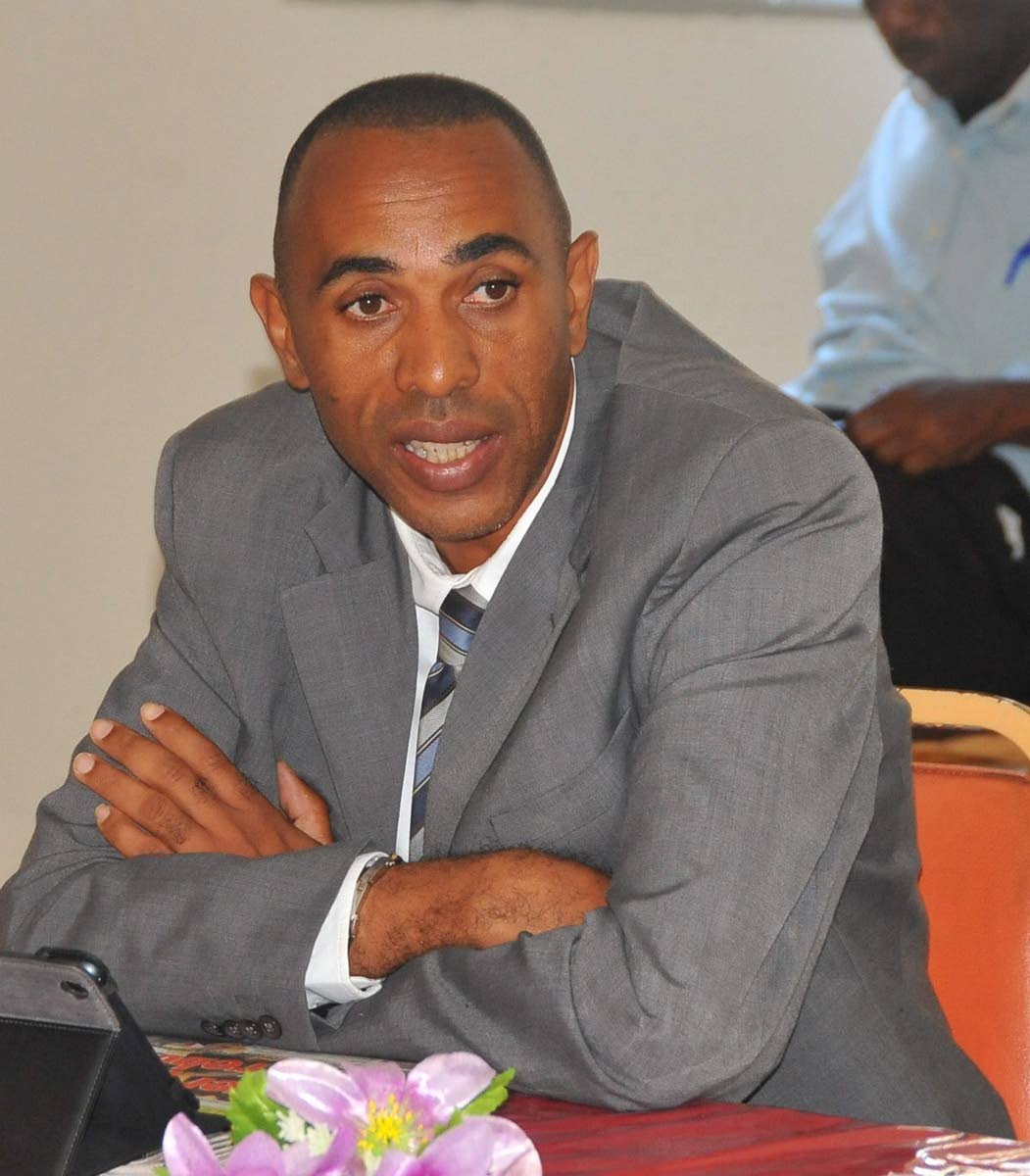
Right: STETHS Principal Keith Wellington.
-
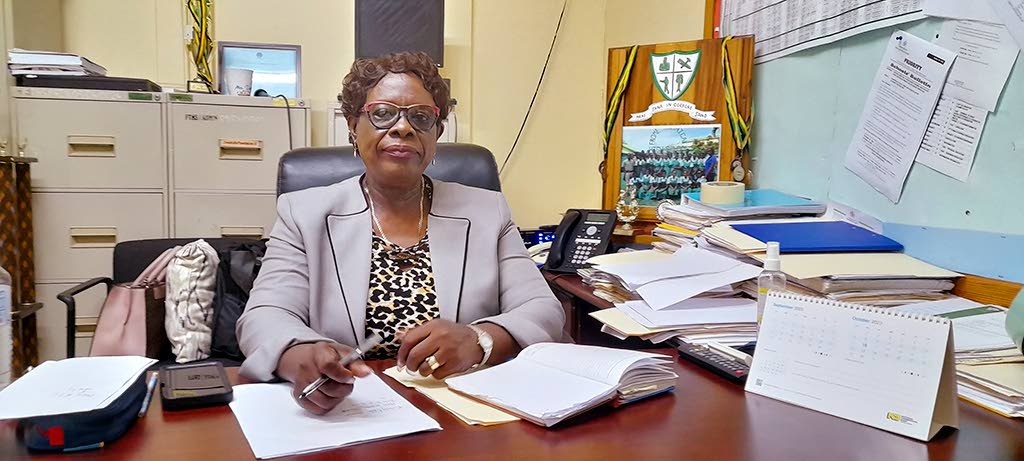 File Photos
Dorrset Taylor, principal of Frome Technical High School.
File Photos
Dorrset Taylor, principal of Frome Technical High School.
-
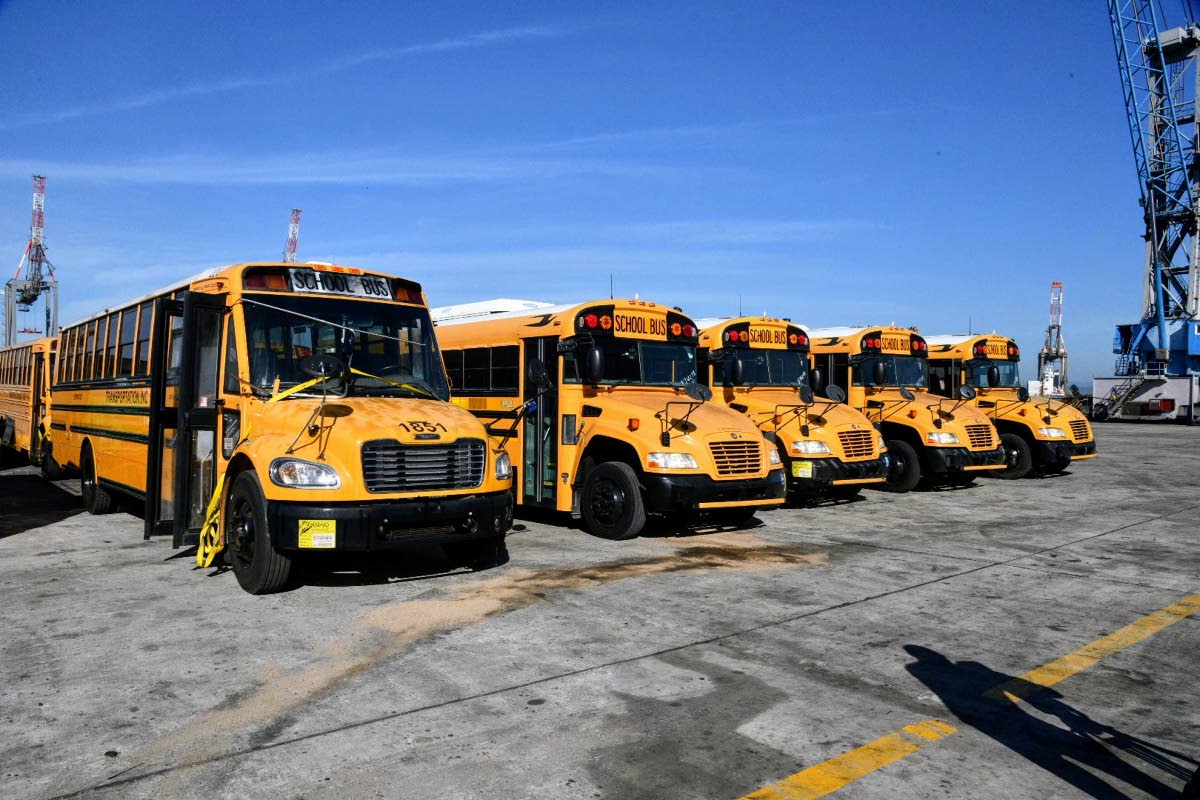 Some of the buses procured by the Government for the rural school bus system.
Two rural principals are pushing back against the Ministry of Education’s explanation for sluggish uptake in the Government’s rural school bus programme – and they say the main problem is route design, not dancehall.
At a press conference last Tuesday, Transport Minister Daryl Vaz and Richard Troupe, director of safety and security in the Ministry of Education, acknowledged that student numbers are trailing expectations months after the programme’s launch at the start of the 2025-2026 academic year.
Troupe suggested culture may be competing with caution.
“As children, you also have a responsibility for your own personal safety. The Government of Jamaica invested in the buses to provide affordable, reliable and safe transportation services. Even if parents and guardians are struggling to buy into the programme, the children have a responsibility to go to their parents and say it is a good programme,” he said.
He also opined that some students are drawn to buses that play lewd music.
But two veteran educators say the explanation is far more practical.
Keith Wellington, principal of St Elizabeth Technical High School (STETHS), and Dorrset Taylor, principal of Frome Technical High School, both praised the subsidised service as critical to student safety. However, they argue that geography is the main reason keeping some students away.
“ ... The routes that the buses are on in the rural area are not routes that service the really remote communities,” Wellington told The Sunday Gleaner. “For STETHS, the buses run on the main, so, for example, from Black River come along the main up or from Gutters come all the way down. But the students come from the communities on the interior, so when they take these buses, they still have to take another bus or two to get home.”
Wellington said between 20 and 25 buses already ferry STETHS students daily, with some parents paying as much as $4,000 per week for transportation.
Against that backdrop, the Government’s $50-per-trip fare is a bargain – but not always convenient.
“For example, a student who lives in New Market, the student would have to take another bus come down to Middle Quarters and get the school bus, or a student who lives in Slipe, the student would have to come from Slipe, come to Lacovia. So rather than doing that, the parents make the arrangement for the students to get buses directly from these communities to the school,” said Wellington.
At Frome Technical, Taylor observed a similar pattern.
She said the programme saw heavy usage upon its introduction last September but dipped after classes resumed following the break caused by Hurricane Melissa. Since then, numbers have not fully rebounded.
Route design, she suggested, is decisive.
“There is one bus, though coming from the Negril end, that route is more utilised to me than the one from Sav to Frome or to Grange Hill because there are a number of [other] buses [on that route],” she said.
Taylor added that she had also noticed that some students travelled with designated drivers and, despite the availability of school buses, remained loyal to those drivers, particularly along the route from Sav to Grange Hill.
“But I noticed more students utilise the service on that route coming to Frome because those students have to come into Sav and they would have to take another bus and then come up to Frome,” said Taylor.
She wants supervision on the buses.
“There is one drawback – there may not be supervision, they may need to have someone because it’s just students are on the bus, so sometimes you hear about a little flare-up. I heard of one incident since September, just one that we had to deal with at school.”
Despite mounting questions about performance, Vaz has continued to defend last year’s decision to purchase used buses for the rollout. However, he conceded Tuesday that some of the vehicles have experienced mechanical problems, including unexpected shutdowns.
In a notable shift, the minister announced that 100 new school buses will be procured in fiscal year 2026-27 as part of phase two of the subsidised programme.
karen.madden@gleanerjm.com