WALKING GAMBLE
Loading article...
-
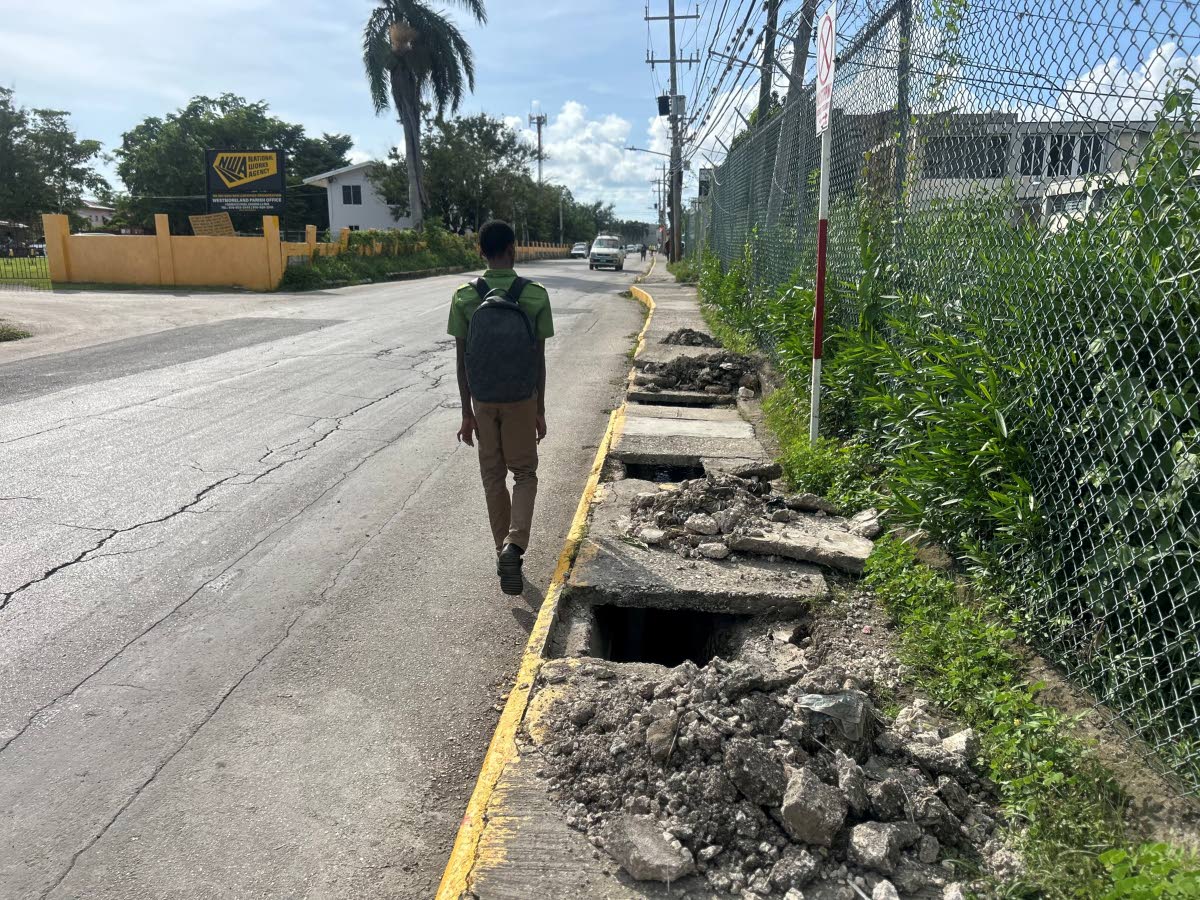 The crumbling sidewalk in front of the National Works Agency office along Barracks Road in Savanna-la-Mar, Westmoreland, forces this student to walk on the road surface.
-
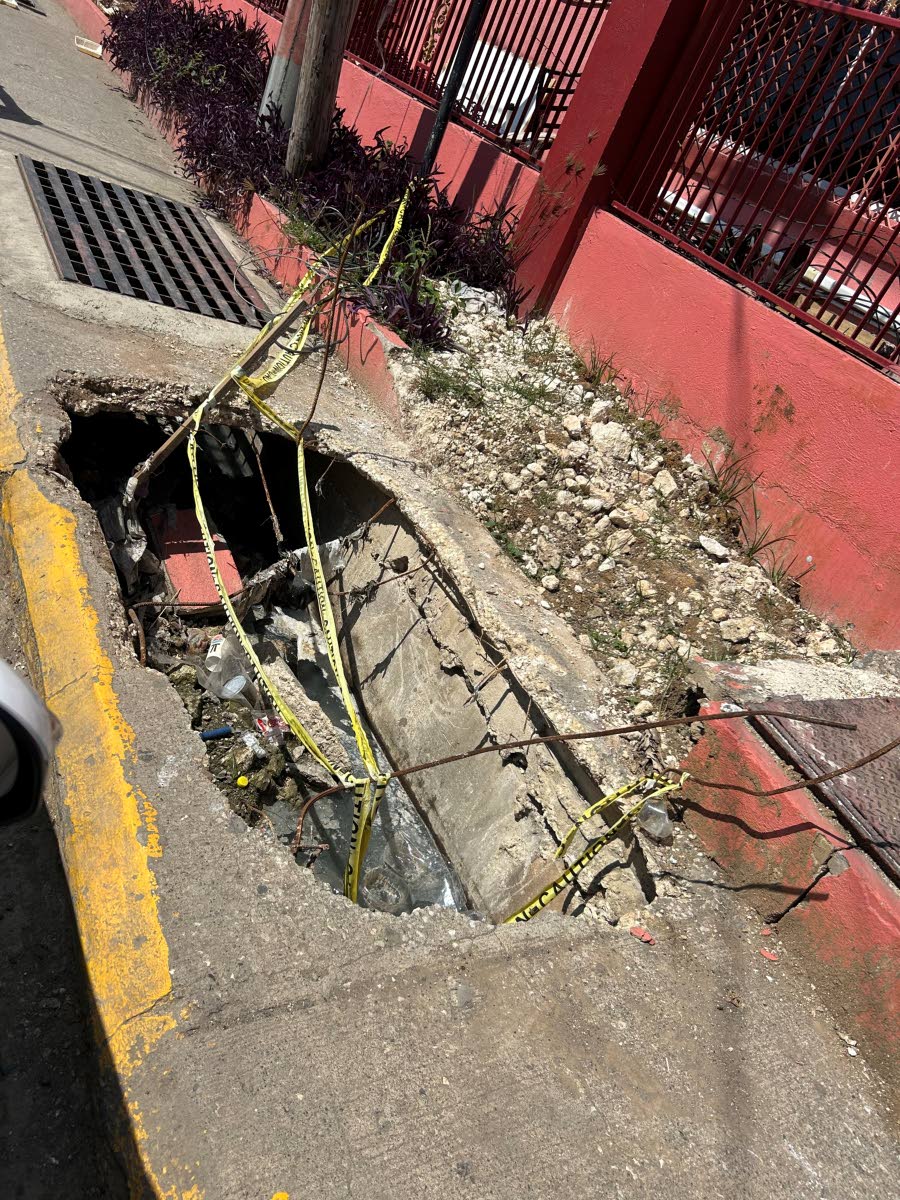 A section of the collapsed sidewalk with protruding steel along Lewis Street in Savanna-la-Mar, Westmoreland.
-
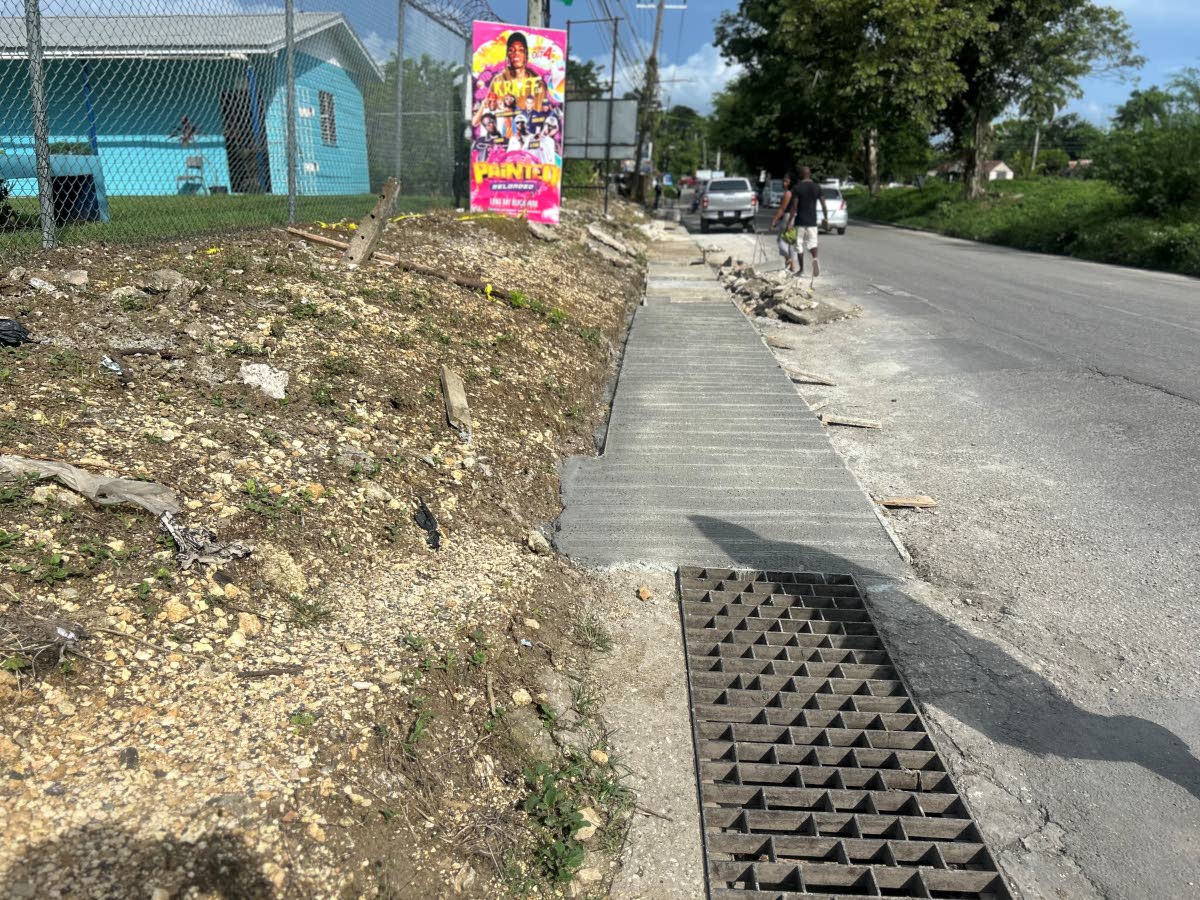 Remedial work started on sections of the Barracks Road sidewalk in Savanna-la-Mar prior to Hurricane Melissa but has not been continued.
-
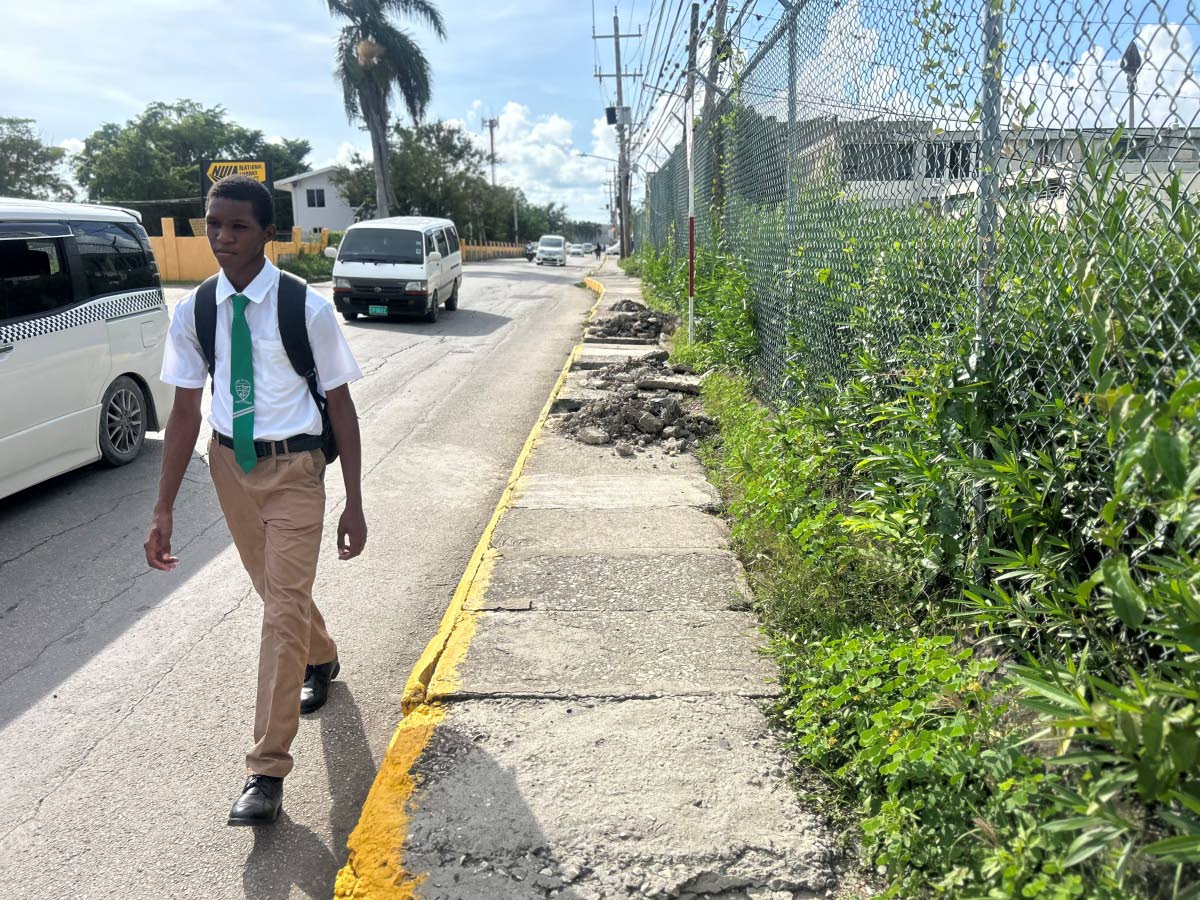 Students and other pedestrians are forced to walk along the roadway in Savanna-la-Mar as the sidewalk along Barracks Road collapses into the drainage system.
-
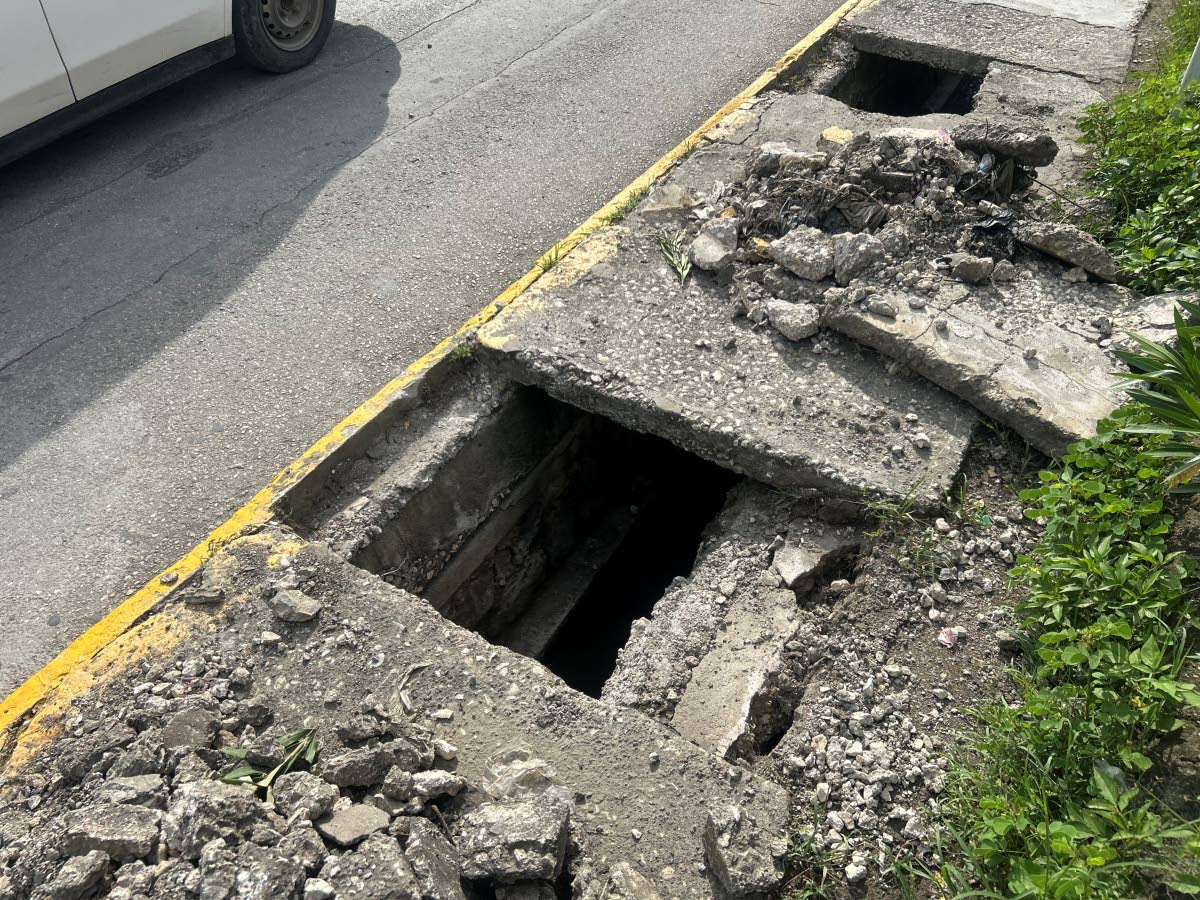 A section of the broken sidewalk along Barracks Road in Savanna-la-Mar, Westmoreland.
-
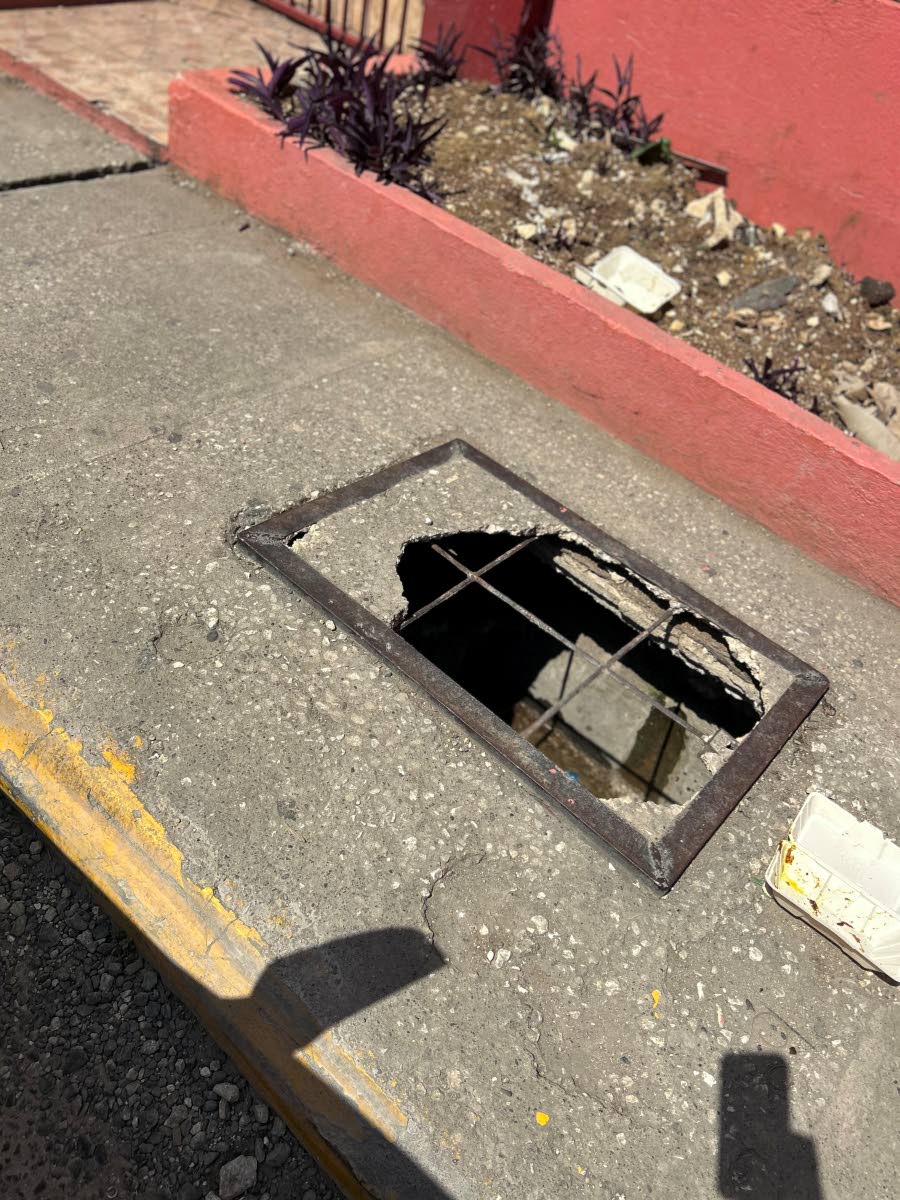 The open hole along Lewis Street in Savanna-la-Mar, Westmoreland, where a young girl fell after jumping aside to avoid an oncoming vehicle.
WESTERN BUREAU:
Savanna-la-Mar is not a town you stroll through for leisure. You move because you must.
The capital of Westmoreland, home to an estimated 13,930 people across 3,980 households, has long depended on foot traffic. In this low-lying coastal town, walking is not a lifestyle choice – it is survival. To get to school, to work, to the hospital, to the market, residents walk.
Now, in the wake of Category 5 Hurricane Melissa, that daily necessity has turned into a daily gamble.
The storm did not create Sav’s infrastructure problems. It exposed them.
For decades, broken sidewalks, open drains and flood-prone streets have shaped the rhythm of the town. Residents learned to hop crumbling pavements, sidestep stagnant water and navigate traffic with instinctive caution. But Melissa pushed a fragile system closer to collapse.
Last week, the danger became painfully real. A student reportedly fell into an open drain along Lewis Street – an incident many say was inevitable.
“There’s so much to get used to in this town when it comes to the pedestrian part,” said Michael, a local resident, gesturing toward the busy Great George Street, where walkers often spill into the roadway. “The traffic is rough, you have bikers, and the drivers might stop for you to cross the road, but sometimes the bikers will come through the middle or the car at the other end will come and they don’t see you. So basically, you just have to be responsible for yourself.”
That, in essence, is Sav’s unofficial pedestrian policy: fend for yourself.
Jodi-Ann knows it well. Every day, she measures risk against routine, especially around schools and the hospital.
“Pedestrian crossing is the most concerning part,” she told The Sunday Gleaner. “Sometimes you want to cross the road and nobody wants to stop. Around the hospital, the sidewalk has holes in it, so people are forced to walk on the roadside. That’s definitely not safe.”
On Barracks Road, the hazards stretch uninterrupted. Before Melissa, partial remedial work had begun on one side of the corridor leading toward Dunbar’s River. Then the storm came. The repairs stalled. What remains is a patchwork of gaping holes, debris and fallen fences. Pedestrians form their own single-file lines beside the broken pavement, inches from moving vehicles.
For children and residents with special needs, the stakes are higher.
Jodi-Ann’s daughter travels through town to attend school. The mother’s instructions are constant.
“My daughter goes to Belmont, so I constantly warn her to look when walking. It’s busy, and you have to try to skip these holes,” she said.
On Lewis Street, Nordia Louden, principal of Savanna-la-Mar Inclusive Academy, watches her students navigate the town daily.
“No sidewalk”
“There is no sidewalk. If it is raining hard, then persons will have to wait until the water actually subsides before they can pass. It’s almost like a river,” she said. “The risk of vehicular accidents is there, and it is very high. Because of the fact that it’s the main thoroughfare for students in and around the vicinity, it lends itself to accidents and incidents happening without having the sidewalks available to them.”
When rain falls, the street becomes a waterway. Potholes vanish beneath murky water. Open drains hide in plain sight. Students wait or wade.
Louden has tried to act.
“I wrote a letter [a while] ago asking for a pedestrian crossing, because it’s important, especially for disabled students. But I am yet to receive any response,” she told The Sunday Gleaner.
In the meantime, the school teaches vigilance.
“It is of utmost importance that students are aware of how to navigate their thoroughfare. It allows parents and guardians to feel at ease.”
But ease is hard to come by in a town below sea level.
Councillor Julian Chang is candid about the scale of the problem.
“The current sidewalks need a major, major overhaul right now because they have been neglected for a while,” she said. “We cannot fix the town in one term … because of the whole abandonment that has taken place.”
Sidewalks, she explained, cannot be separated from drains – and drains are everything in Sav.
“When you talk about sidewalks, you have to also talk about drains. You can’t talk about the sidewalks without the drains, and Savanna-la-Mar is below sea level,” she said.
Some progress has apparently been made over the years, though it has been slow and scattered.
Proposed plan
“There [is] some fixing going on now with the [sidewalk], especially near the hospital area,” the councillor said. “There is a proposed plan for some traffic lighting for the Dunbars River area, right at that intersection. And there is also something on the books for a pedestrian crossing at the new bus park, across from Juici Beef.”
For residents, however, plans and proposals do little to soften impact.
Recently, a young girl fell into an open drain while trying to dodge traffic. Her mother declined to speak publicly with The Sunday Gleaner about the incident, but an eyewitness recounted the scene.
“She stepped down [into the road to go around the open drain in the sidewalk], but in order to avoid a car hitting her, she was trying to come out of the way … and her left foot went into the hole. It messed up her shoe, [but] I am not sure if she got hurt. Her bag also fell.”
Mayor Danree Delancy told The Sunday Gleaner the drain had already been reported and temporary measures were being arranged. Caution tape had been placed, then removed.
“I’m going to be asking again that it be replaced,” he said.
The area, he noted, had been repaired before. But vehicles parking on sidewalks may have contributed to renewed damage.
“It seems that certain drivers are bent on parking their vehicles on the sidewalks,” he said, adding that discussions with the Roads and Works Department are ongoing, including possibly installing pipes along sections of sidewalks.
Drivers, too, feel the strain.
Rowan, a taxi operator, describes limited visibility and relentless congestion.
“Some of the time we can’t see. You have old people crossing and thing, so we have to look out for them … . One time I was shocked because there’s a blindspot [and] sometimes they walk out and dem not even say, ‘Driver!’ or nothing. They don’t put up their hand or anything,” he said.
He emphasised the need for better signage and functioning traffic lights.
“Sav needs more stop signs and stop lights … . The one stop light we have (located at Dunbar’s River) is not working right now. So me feel say that causes the traffic in the town sometimes.”
Cruz, another motorist, has already learned the hard way.
“I’ve hit somebody already, so because of that, whenever I see a crossing I slow down. When I’m driving past, I don’t even have to see you crossing. Just by you walking, I’m going to stop, [especially] for my safety,” he said.
Rowan believes small interventions like pedestrian signals could make a difference.
“You know the signs, like when in MoBay when you press the button and the man tells you that you can walk? We need more of those,” he suggested.
At the National Works Agency, western region community relations officer Janel Ricketts points to constraints – narrow roads, limited space – but insists pedestrian safety remains a priority.
“It depends on the particular area. The sidewalk is not the only way to ensure pedestrian safety, but it is a great help,” she said. “Where it is safe to do so, there are pedestrian crossings at all major schools. Most new schools request a crossing, and the technical team comes out to do a feasibility study.”
Even when work is completed, it can unravel.
Utility repairs left sidewalks broken
“Sometimes it gets frustrating when you put in the work and resources, and shortly after, other entities come in and do work,” Delancy said, citing instances where utility repairs left sidewalks broken again.
For Michael, the fix begins with visibility and enforcement.
“They [should] put in a stoplight and brighten up the pedestrian crossing and the no-parking zone, too.”
After Hurricane Melissa, the mayor sees an opening – if not for a quick fix, then for a rethink.
“Now is an opportune time to look at making our town spaces safer for pedestrians. Signalised pedestrian crossings and properly maintained sidewalks, including ramps for wheelchair-bound people, would benefit everyone,” he said.
Still, he cautions, change may require land acquisition and extensive planning.
But Councillor Chang is blunt about the scale of transformation required.
“Savanna-la-Mar really needs a whole new infrastructural development, which is going to take billions of dollars,” she told The Sunday Gleaner.
mickalia.kington@gleanerjm.com