STORM RECOVERY SQUEEZE
Loading article...
-
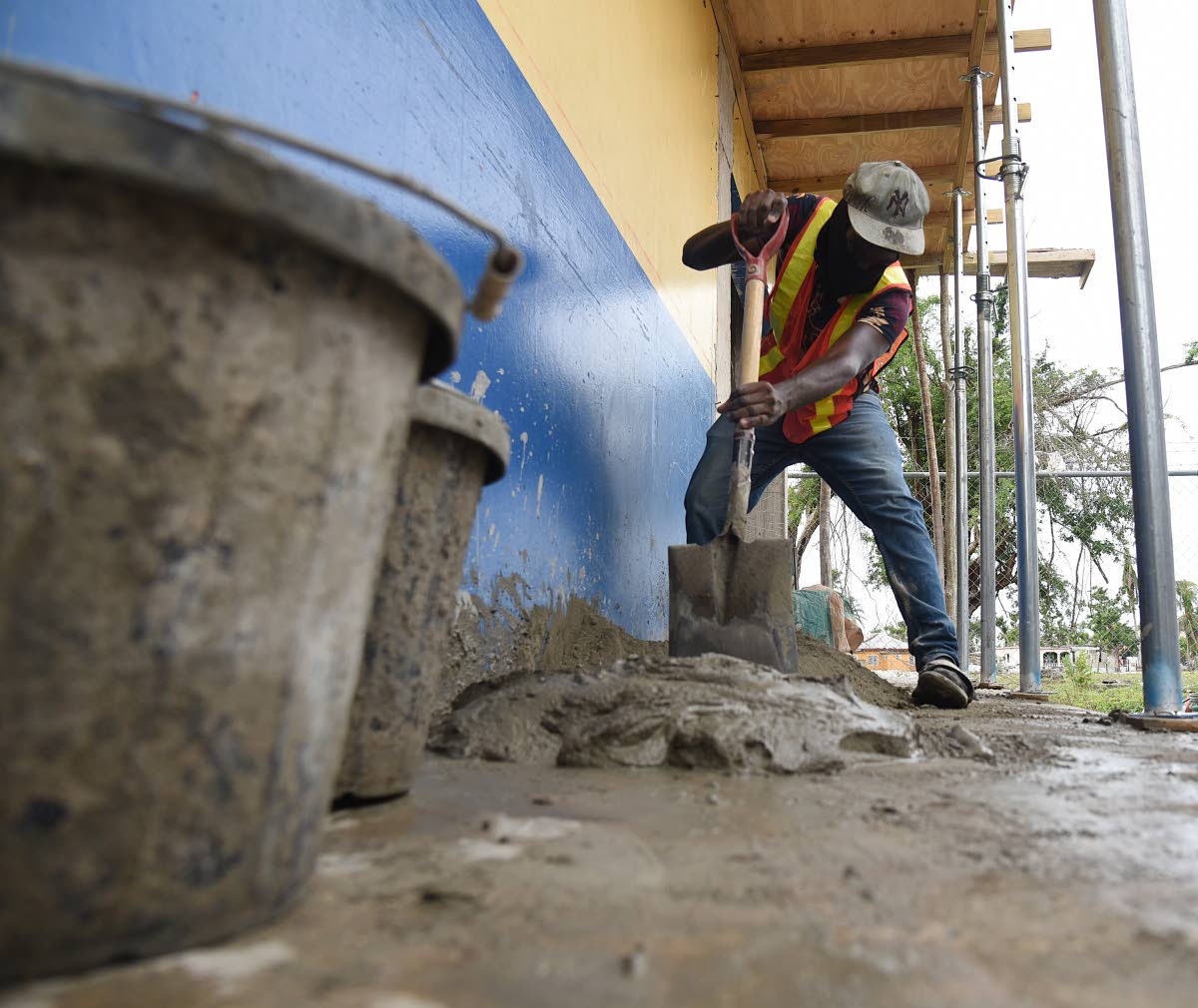 A construction workers mixes cement on February 5 to repair a section of the Lacovia Primary School in St Elizabeth that was damaged during the passage of Hurricane Melissa last October.
-
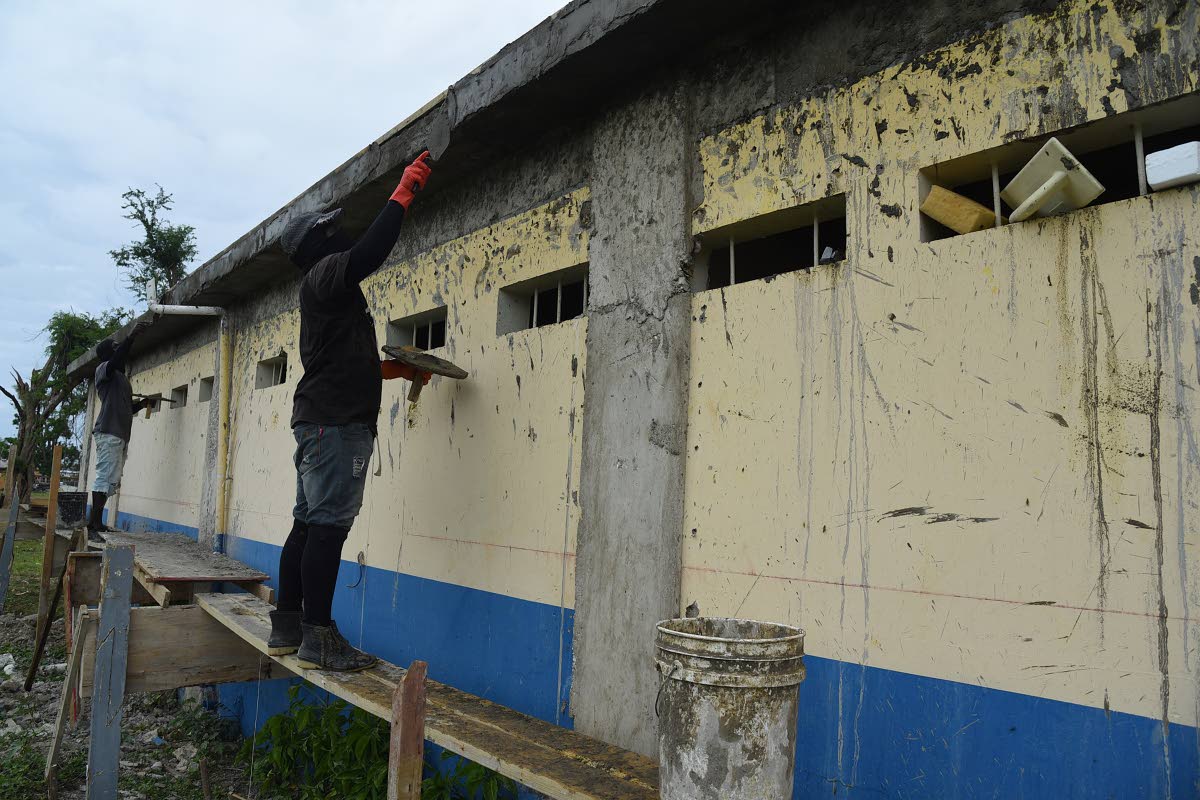 Construction workers repairing a section of the roof at Lacovia Primary School on February 5.
-
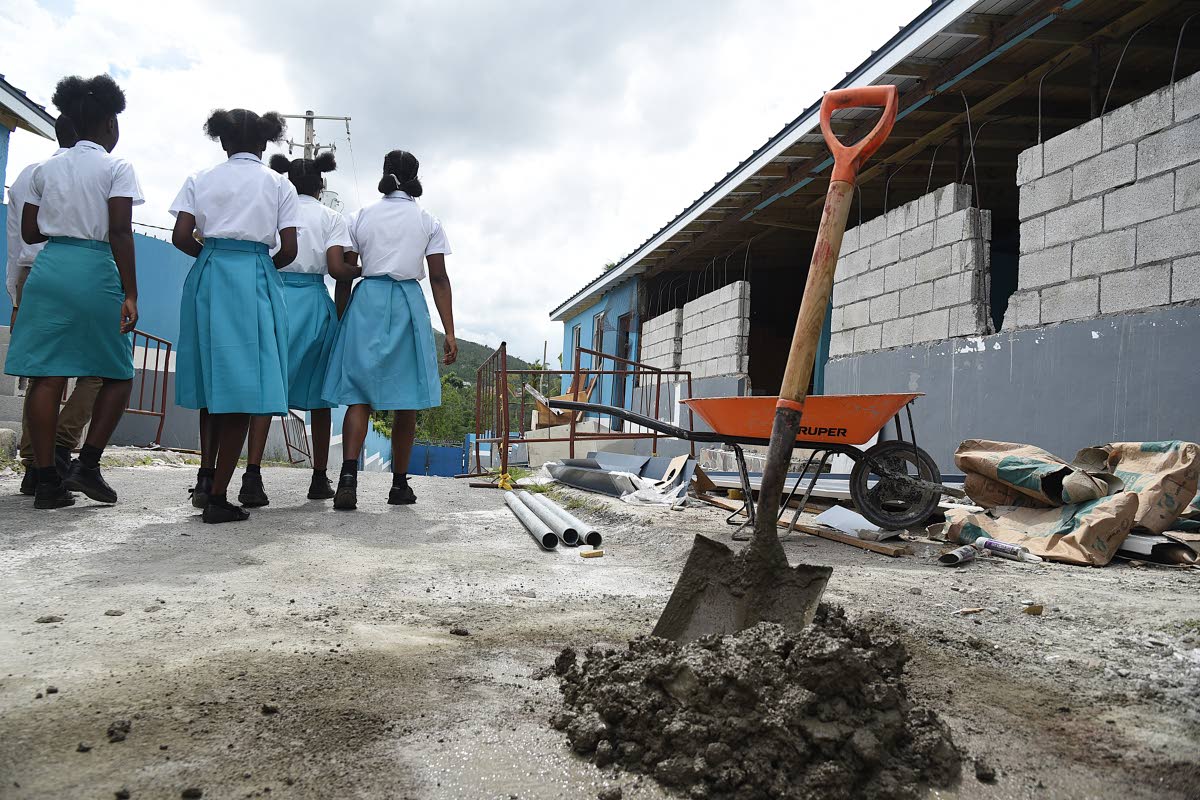 Repairs taking place at Lacovia High School in St Elizabeth.
-
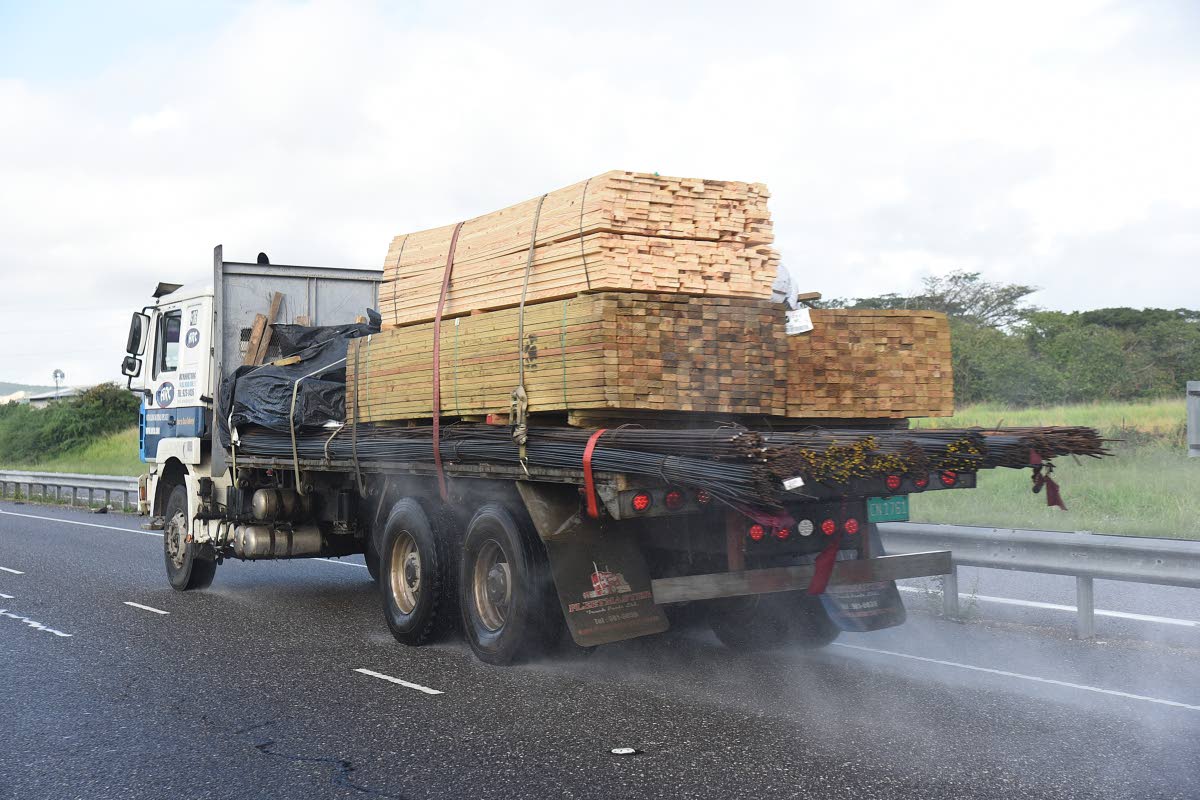 A truck laden with building material heading out of Kingston just over a week ago.
-
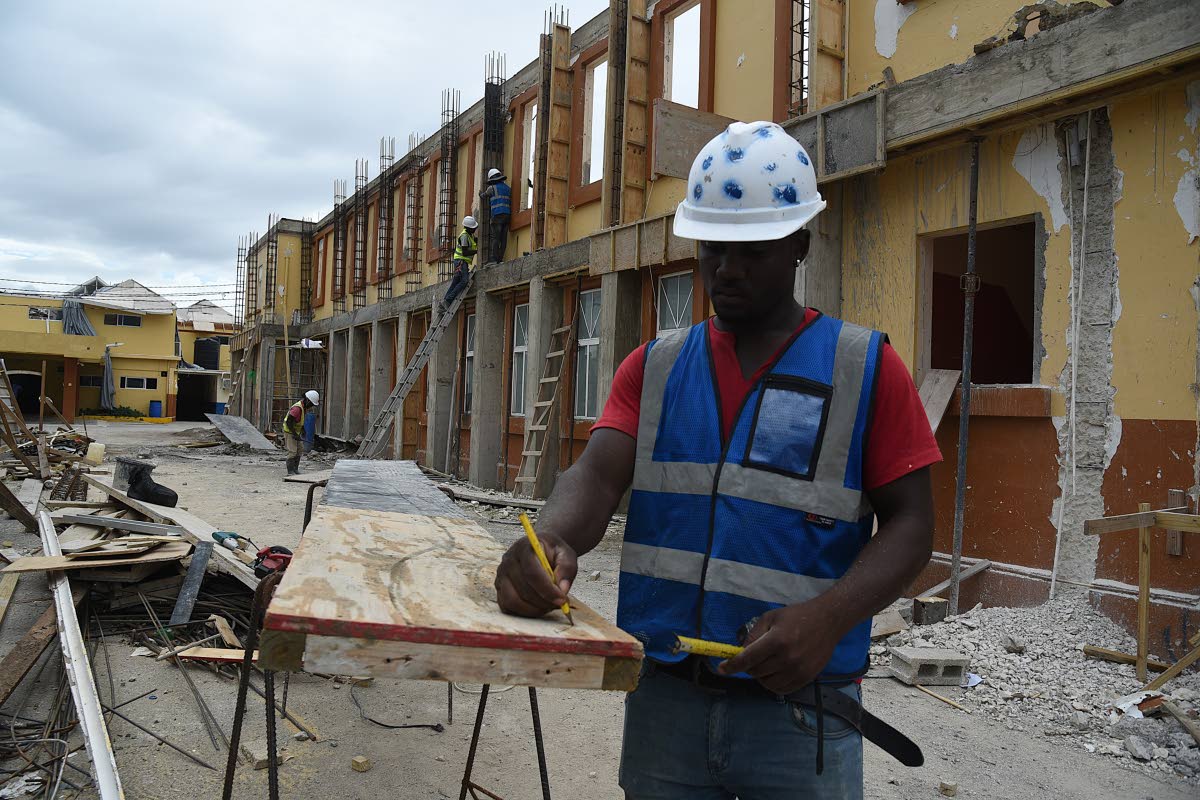 Repairs under way at the Black River Hospital in St Elizabeth on February 5.
-
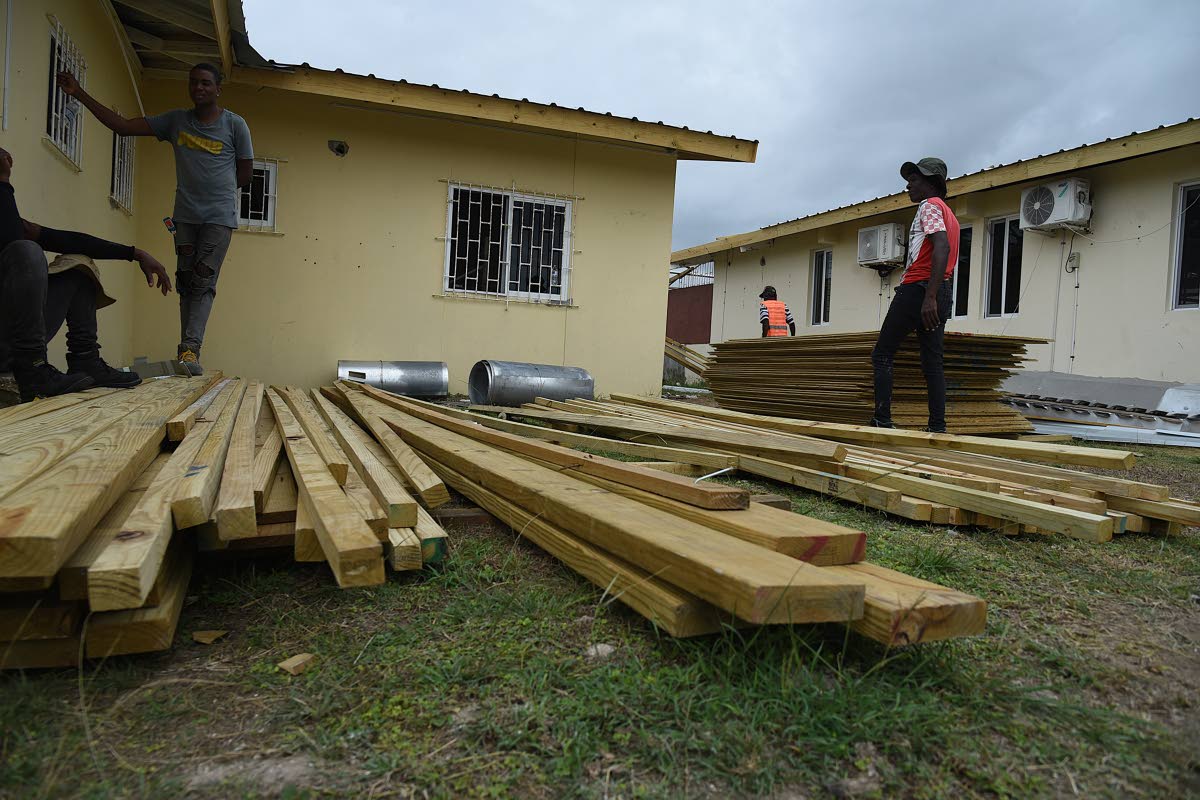 Roofing materials are also in short supply, particularly T1/11 plywood boards. On February 5, a contractor at the Black River Health Centre said he was fortunate to secure only 60 sheets, though the project will require hundreds.
-
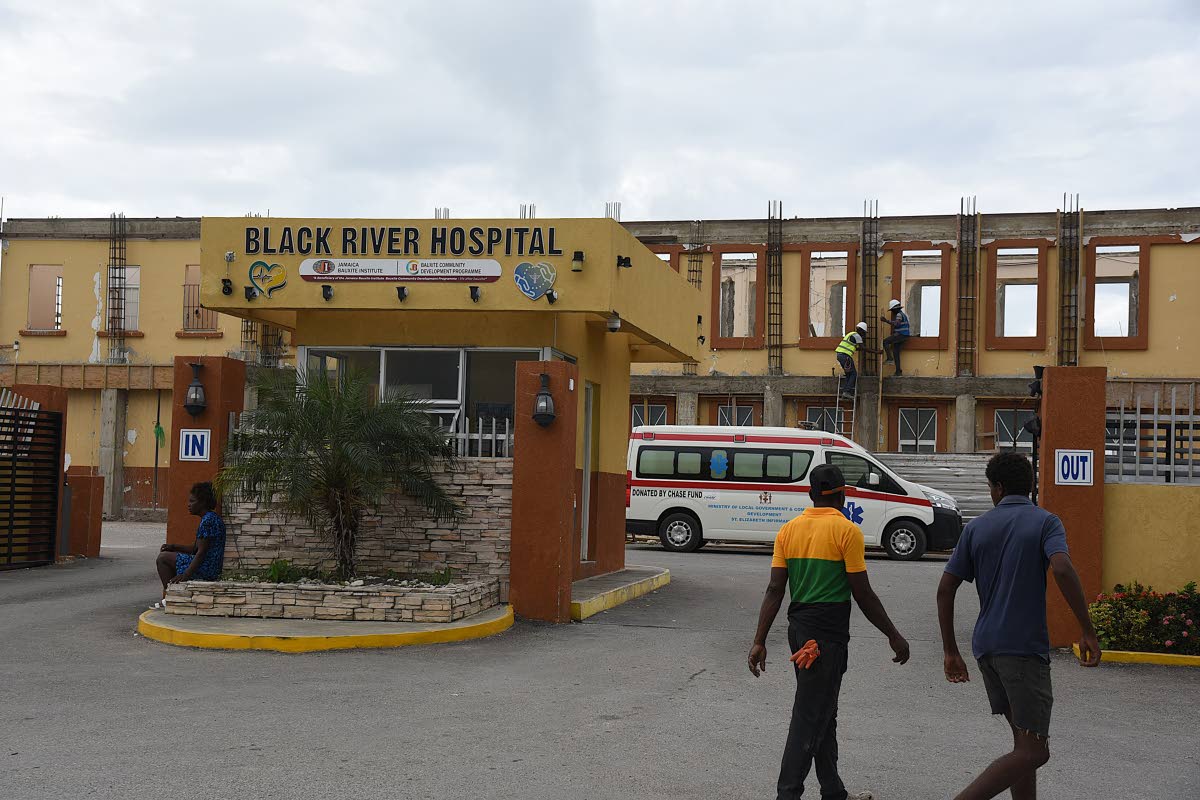 Significant repairs being undertaken at the Black River Hospital after the devastation caused by Hurricane Melissa last October.
A shortage of labourers, building materials, and shrinking cash flow is slowing repairs to public institutions hardest hit by Hurricane Melissa. Suppliers and contractors are scrambling to prioritise projects and compete for limited resources as they race to finish jobs.
Three months after the storm, the sound of hammers and saws still echoes across several schools and state-owned buildings in St Elizabeth – perhaps most noticeably at the Black River Hospital, where workers from at least three companies were on site just over a week ago.
Since the hurricane, Barnes has raised his prices and extended business hours by three hours, closing at 8 p.m. However, even with six workers producing up to 20,000 blocks in a good week, output remains only a “drop in the bucket”, he said, urging customers to be patient.
“If I produce 8,000 blocks today, by midday tomorrow, those 8,000 blocks are gone, because I’m not only selling blocks to persons in Westmoreland, but also in Montego Bay and surrounding communities as far back as St Elizabeth,” he explained to The Sunday Gleaner last week. “We start early in the morning and work until night, and we’ve had to increase the prices because both the quarry and transportation prices have also gone up. I used to sell blocks at $12,000 per 100 before Melissa, and now I am at $15,000.”
Roofing materials are also in short supply, particularly T1/11 plywood boards. Each sheet costs $10,000, and last week a contractor at the Black River Health Centre said he was fortunate to secure only 60 sheets, though the project will require hundreds.
Gordon Matthews, operator of Matthews and Clarke Roofing in Manchester, said the hurricane caught him and other suppliers off guard.
Mad rush for materials
“We are just getting back on our groove now, somewhat,” Matthews said, relaying a mad rush for materials immediately after the October 2025 storm, a long wait for stocks in the following weeks, and trouble at the ports that continues today.
“Normally, you would get a container off the wharf in under a week. Now, in recent times, it can take two weeks. Up to this week, that has been the case, and they (brokers) are telling me that the wharf is congested,” he continued.
Matthews’ company imports raw materials to manufacture zinc, industrial sheets, metal tiles, and other roofing products. Since Melissa, he has sold between 20,000 and 30,000 tonnes of zinc per week, yet he said, “that is nothing compared to what the market wants or needs. All of us producers combined can’t satisfy the demand right now, and that will not happen any time soon.”
Reflecting on the scale of destruction, Matthews added: “The damage is just so great, and even when you drive out, and you look in the [other] parishes, you can hardly see what has been done because there is a whole heap of damage same way. It leaves you to wonder where the material that is going out is going to.”
He noted especially heavy demand in Westmoreland and St Elizabeth and said the arrival of several charities assisting with repairs has further increased pressure on supplies.
The strain is felt most acutely by contractors, who say they are caught between public expectations for swift repairs and suppliers struggling to source materials.
Al Maxwell, director of Maxwell Construction Company Limited, said sourcing zinc and lumber for his government projects – including six schools, five clinics, and the damaged Black River Hospital – has been a major challenge.
“Material is one of the biggest challenges. We have to buy the material in bulk. If we know we are going to buy $30 million worth of roofing, we give them $20 million upfront,” explained Maxwell, admitting that there is competition between fellow contractors to secure material. “We are trying to beat the rush. Anytime after March, when the [new financial year starts], the payments will slow down, and we want to beat the rush and be out of here by March. We don’t want any government work by then.”
Like many government contractors, Maxwell said his cash flow is tightening, and he has yet to receive outstanding payments for work completed after Hurricane Beryl two years ago.
“If we are not finished before March ... we may not be paid until about June, July, thereabout, and we can’t wait that long to get our payment. Our suppliers and our labour people are very cash-intensive, cash-upfront,” he asserted.
In the meantime, NET Executive Director Latoya Harris-Gartey said the contractors should not worry about their payments.
“Contractors have, in good faith, gone ahead and started the work under emergency circumstances, and we are working with them to get their contract. The ministry doesn’t pay out unless a contract is in place,” she explained to The Sunday Gleaner. “We have waived the performance bonds because these are people we have worked with, they are already in the school doing the work, but we still need insurance in case there is any issue.
“There is back and forth between us and them with that, but we have some contracts that we have processed, and we are in the process of making payments on works. We have money in this financial year to cover some of the advances, and we are supposed to get an allocation for the new financial year. The biggest hurdle now is getting the contracts in place so we can start the payout,” she explained.
As for overdue Hurricane Beryl payments, Harris-Gartey explained that “the only payment outstanding from Beryl is retention release and those are in process,” she said, explaining that retention is 10 per cent of the contract value held back for a period in case there were issues with the work quality.
Meanwhile, Health Minister Dr Christopher Tufton told The Sunday Gleaner that work at the Black River Hospital is progressing smoothly, even as workmen on the ground bemoan the challenges.
“The two main wards have active construction taking place, and the intention is to slab the roof, and they have put reinforcement beams on the sides to ensure the integrity of the slabbing,” he said. “We are trying to be on track for the two main wards for March. The operating theatre will be back up hopefully by this month. They have also repaired the roof of the staff quarters.”
corey.robinson@gleanerjm.com