Hurricane Melissa: Beyond the rubble
Loading article...
-
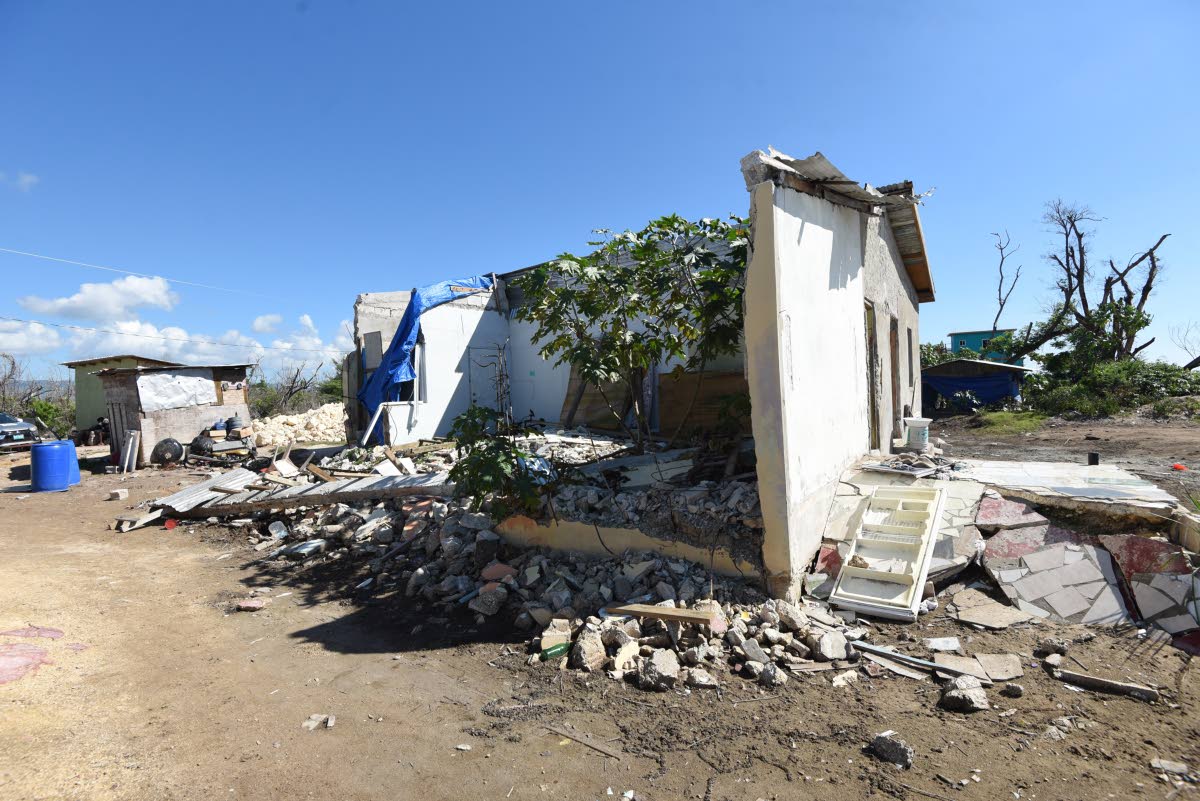 The structural remains of a house in Parottee, St. Elizabeth that was damaged during the passage of Hurricane Melissa last year. Photo - Ian Allen
-
The structural remains of a house in Parottee, St. Elizabeth that was damaged during the passage of Hurricane Melissa last year. Photo - Ian Allen
-
 The Thomas Manning Building lies in ruin post-Hurricane Melissa. Photo - File photo
THE EDITOR, Madam:
As Jamaica approaches the first anniversary of Hurricane Melissa, we must reflect not only on the devastation it caused, but also on the lessons we have learned and the responsibility we share in preparing for future disasters.
For many Jamaicans, the memories of the hurricane remain painful. Families lost their homes, farmers saw their crops destroyed, businesses suffered significant losses, and entire communities were left struggling to rebuild their lives. Behind every statistic is a personal story of hardship, uncertainty, and perseverance.
One year later, it is important to ask whether enough has been done to support those most severely affected. Have vulnerable families received the assistance they need? Have farmers and small business owners been able to restore their livelihoods? Are our communities better equipped to withstand another major hurricane?
These questions deserve honest answers. The public must be able to see how relief funds have been allocated, whether promised assistance has reached its intended recipients, and what measures are being taken to address the needs that remain unmet. Transparency and accountability are essential to maintaining public confidence and ensuring that no community is overlooked.
We must also recognise the extraordinary resilience and generosity of the Jamaican people. Volunteers, community organisations, private businesses, and members of the diaspora demonstrated the power of collective action in a time of crisis. Their contributions remind us that compassion and solidarity remain among our greatest national strengths.
However, resilience alone is not enough. Hurricane Melissa should serve as a wake-up call to strengthen our disaster preparedness. Better drainage systems, stronger building standards, reliable emergency communication, adequate shelters, and more effective planning must become national priorities. As the risks associated with extreme weather grow, we cannot afford to treat preparedness as an afterthought.
As we mark this anniversary, let us move beyond remembrance and commit ourselves to meaningful action. The true value of this experience will be measured by how seriously we address the weaknesses it exposed and how effectively we protect our people in the years ahead.
Hurricane Melissa should not be remembered only for the destruction it brought to Jamaica, but also for the lessons it taught us and the changes we made before the next hurricane threatens our shores.
JUVELLE TAYLOR