Tiffany McLeggon | Democracy beyond election day
Loading article...
-
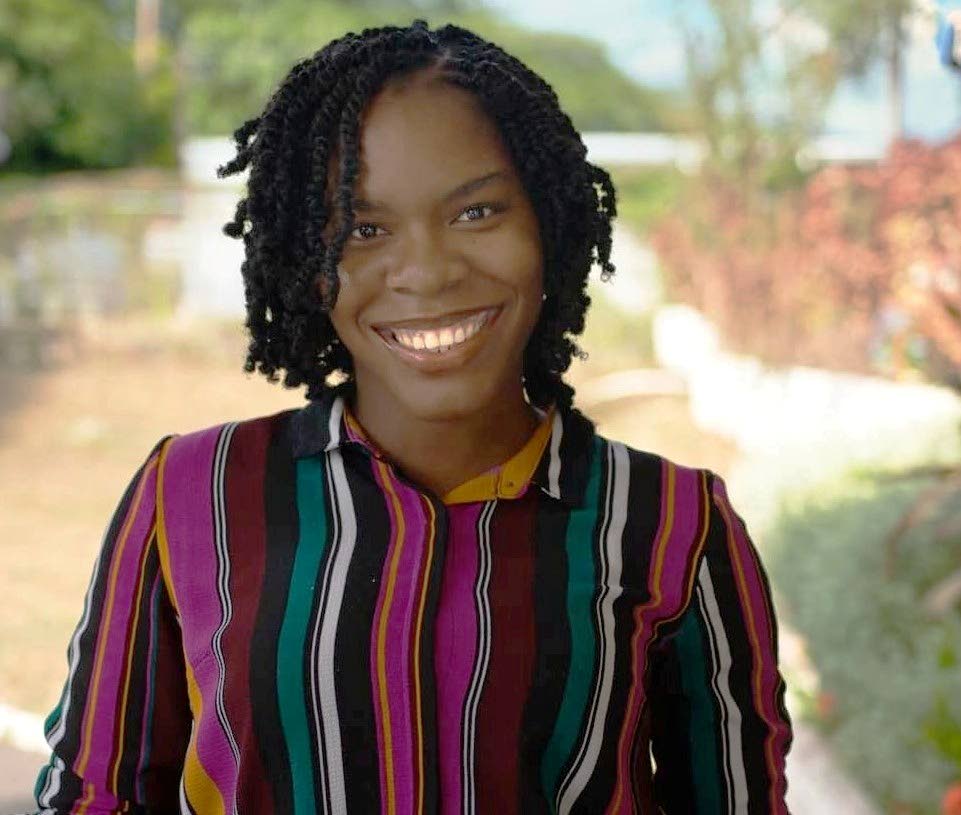 Tiffany McLeggon. Photo - Contributed
-
Tiffany McLeggon. Photo - Contributed
-
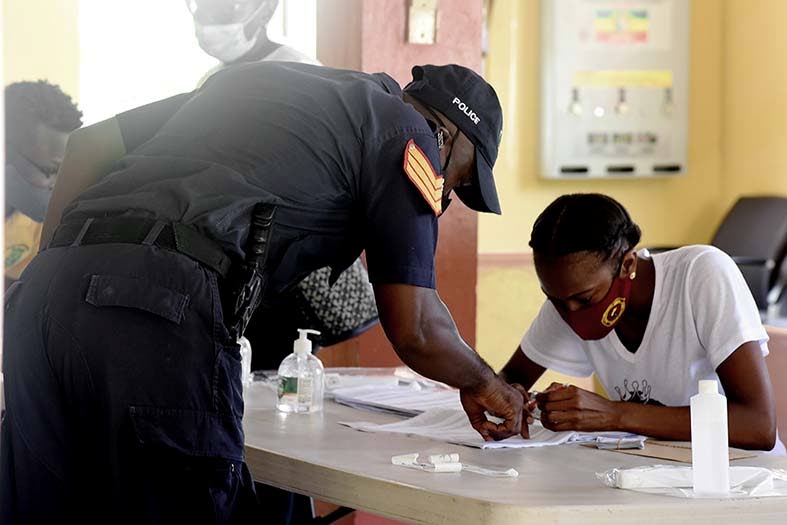 Democracy is strongest when the widest range of voices can influence it. Photo - File
-
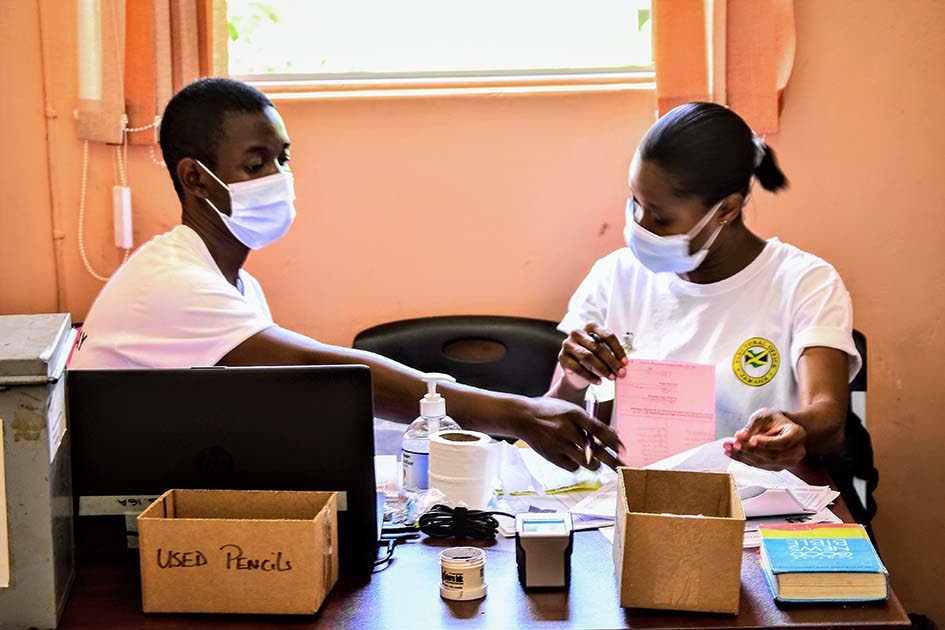 Young Jamaicans, in particular, have been doing their bit to redefine civic participation in new and creative ways. Photo - File
On election day, Jamaica hums with a particular kind of energy. The streets grow loud with horns, colours, and conviction. Polling stations come alive, and there are spirited debate.
People walk out with ink-stained fingers, and it has become a trend to take selfies that declare their participation in the democratic process. For a moment, it feels as though the entire nation is moving in unison, fully aware of its own power.
That energy fades as soon as it rises. By the next morning, the posters begin to peel, the motorcades disappear, and daily life is resumed as though nothing monumental happened. Too many of us pack democracy away as though it only exists for a single day every four or five years.
But democracy is never intended to be a one-day performance or a fleeting ritual. It requires long-term commitment like any relationship. It depends on daily acts of attention, engagement, and care. If we only show up once in five years, we weaken the very system we rely on.
We have long mistaken voting for the entirety of democratic participation. Our vote is sacred; it is foundational. But a heartbeat alone does not sustain a body. A country cannot thrive if its citizens only appear at the polls and disappear when the real work of governance begins. For democracy to function as it should, citizens must remain present long after the ink dries.
Real democracy happens in the everyday spaces where decisions are shaped, school boards where parents advocate for resources, community meetings where residents challenge unsafe conditions, budget consultations where people question spending priorities, and quiet offices where citizens write letters, send emails, and lobby for change. These small, steady acts breathe life into the system in ways elections alone cannot.
This is where Jamaica struggles.
Our most persistent democratic crisis is not corruption or even inequality. It is apathy. Voter turnout has steadily declined, hovering between 35-50 per cent. However, the deeper problem is the quiet withdrawal of citizens from public life in the years between elections. Too many people feel that their voices carry little weight, that their concerns fall on deaf ears, and that “nothing ever changes”.
It is a sentiment rooted in experience and history, which creates vulnerabilities, because when citizens retreat, power merely relocates. Decisions are still made, budgets are passed, and policies shape people’s lives. The only difference is that fewer people are influencing them.
In a democracy, silence is a permission, and disengagement is not simply opting out. It is choosing who gets to speak in your place. Yet this is not an indictment of ordinary Jamaicans. For decades, communities have seen grand promises turn into half-finished projects. They have watched leaders rotate, but conditions remain the same. They have observed consultation sessions that feel more like performances than genuine invitations. Disillusionment does not arise in a vacuum. It is earned.
Despite this, disengagement is a luxury Jamaica cannot afford. Our most pressing issues are climate vulnerability, crime, inequity in education, digital divide, and an ageing infrastructure, all of which require collective involvement. They demand the insight and lived experience of people from every walk of life. No government, however well-resourced, can fix these challenges alone.
Democracy thrives only when citizens and leaders see themselves as partners. Therefore, the Government must view the public not as an audience to be managed, but as collaborators in governance. People must understand that they are not passive recipients of policy but co-authors of Jamaica’s future. That partnership requires presence not just on election day but on the ordinary days when decisions are drafted, budgets negotiated, and priorities shaped.
Young Jamaicans, in particular, have been doing their bit to redefine civic participation in new and creative ways. They lead mental-health campaigns, mobilise donation drives, champion disability rights, and build digital communities that push public debate forward. However, their participation often remains outside the formal spaces where policies are shaped. This is not because youth lack interest but because the systems were not designed with them in mind.
Imagine the transformation possible if their energy, innovation, and insight were deliberately welcomed into decision-making bodies. Imagine youth councils with actual authority, not symbolic roles. Imagine school governance structures that give students meaningful input. Imagine a Parliament that institutionalises youth perspectives rather than occasionally inviting them to observe.
Democracy is strongest when the widest range of voices can influence it. But for this to happen, Jamaica must rethink how participation works, not by starting from zero but by strengthening what already exists. Town halls and public consultations, while present in our governance framework, must become genuinely accessible: held at practical hours, widely publicised, and consistently streamed online so that people across the island can participate.
National budgets, though published, must be explained in clear, plain language that allows citizens to understand and question priorities. Digital engagement tools, some of which have been piloted, must be scaled so more Jamaicans can comment on policies, track public commitments, and offer solutions. And civic education, recently reintroduced in schools, must move from theory to practice, teaching young people not just how the system works but how they can work within it.
Most importantly, each Jamaican must rediscover the power of their own voice. Citizenship is not a passive title. It is an active posture. It is the willingness to show up, to speak up, and to stay engaged even when change feels slow.
Democracy is not sustained by leaders alone. It is sustained by a chorus of citizens who understand that governance is not something done to them but something done with them. A ballot is one voice, a civic life is a conversation, and a healthy democracy requires both.
The ink on our fingers fades within hours. The responsibility of citizenship does not. If we want a stronger nation, more just, more resilient, more inclusive, we cannot wait for election day to claim it.
Tiffany McLeggon is a youth leader and communications professional. Send feedback to mcleggontiffany@gmail.com.