Dennis Zulu | Bridge to inclusion: Rebuilding Jamaica after Hurricane Melissa
Loading article...
-
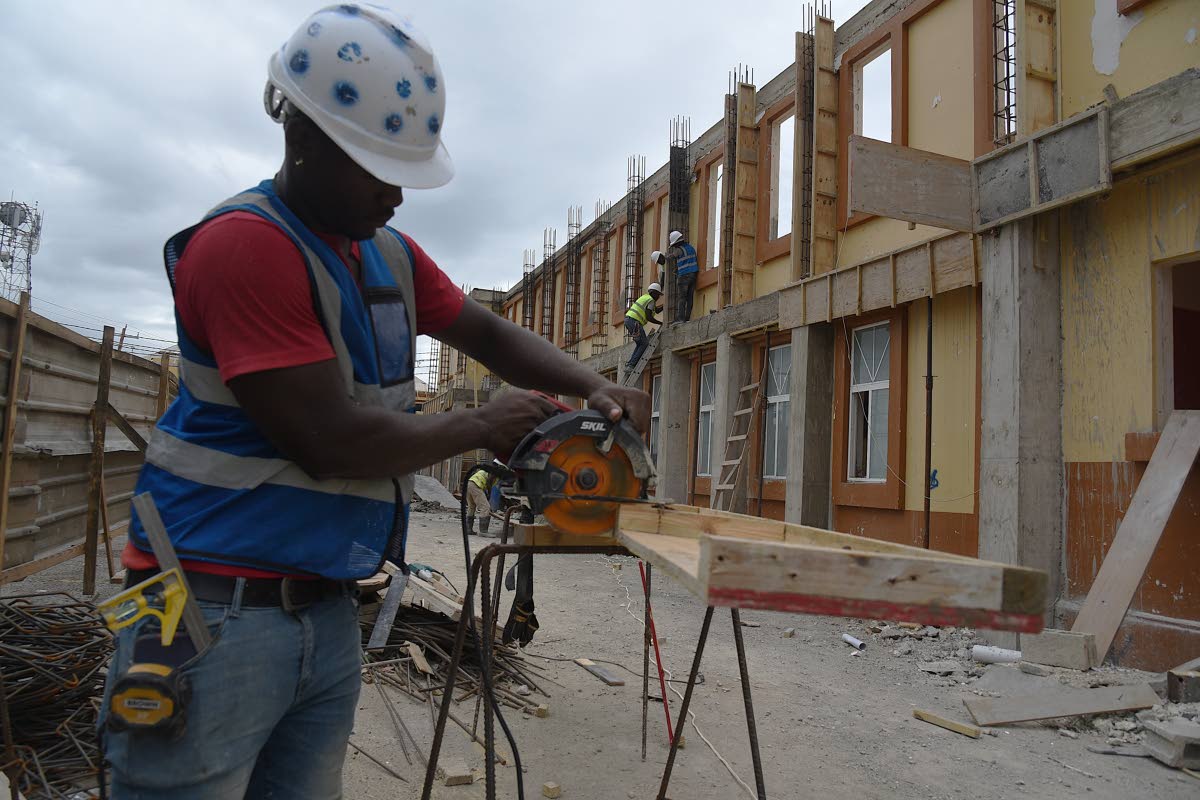 This photo shows a construction worker at Black River Hospital, which is undergoing repairs after it was damaged by Hurricane Melissa, last October.
-
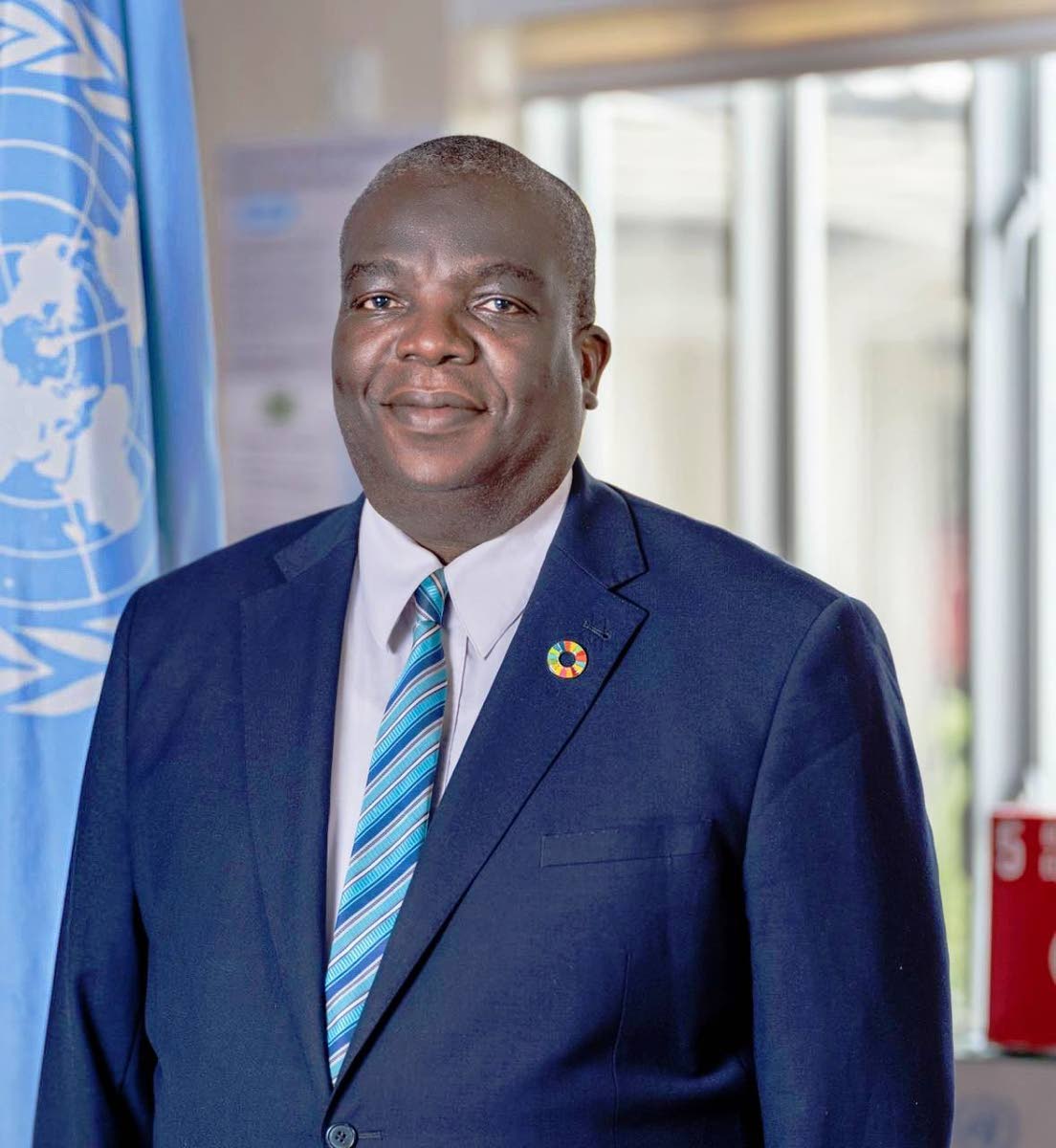 Dennis Zulu
While February 14 is often reserved for tokens of affection, for thousands of Jamaicans, it marks a more profound commitment: the birth of a more inclusive nation. It is the anniversary of the Disabilities Act coming into effect in 2022, a legislative promise designed to ensure that persons with disabilities enjoy the same rights and opportunities as every other citizen.
As we celebrate this fourth anniversary in 2026, we do so while navigating the recovery from Hurricane Melissa. While the storm caused significant damage, it has also presented Jamaica with a critical opportunity: the chance to rebuild a nation that is more resilient, more accessible, and truly inclusive of everyone.
UNSEEN IMPACT OF MELISSA
Hurricane Melissa unleashed widespread destruction, tearing through homes and vital facilities, and creating a humanitarian challenge that touched every sector. Beyond the immediate physical damage, the storm jeopardized food security for thousands and compromised access to clean water and sanitation.
Yet, Hurricane Melissa’s impact was not felt equally. For persons with disabilities, the storm laid bare deep-seated vulnerabilities. Communication gaps in the alert process left many uninformed, and designated shelters often remained physically inaccessible. This crisis was further compounded by infrastructure that was already “inaccessible by design,” highlighting the urgent need to address systemic barriers and prioritize inclusive reconstruction during the recovery process.
INCLUSIVE RECOVERY
In the immediate aftermath of the hurricane, the United Nations system in Jamaica activated a multi-sectoral response, working hand-in-hand with the Government and affected communities. This included providing support across critical sectors, including water, sanitation and hygiene (WASH), health, shelter, food security, protection, education, logistics, and telecommunications, all underpinned by robust coordination efforts.
Crucially, UN agencies, working closely alongside the Government, initiated targeted interventions to support persons with disabilities:
Counting every person: All projects funded by the Central Emergency Response Fund (CERF) now require data that identifies the specific impacts of the hurricane on persons with disabilities. This ensures assistance is both targeted and effective, leaving no one behind.
Digital lifelines: UNICEF and the Jamaica Council for Persons with Disabilities (JCPD) are strengthening social protection through a digital voucher mechanism within the “I Am Able: My JCPD” mobile app. This provides rapid, secure assistance to 1,500 children with disabilities and their families, offering accessible communication on nutrition and safety, and empowering families with vital information.
Dedicated health support: The WHO/PAHO CERF project specifically focuses on 6,633 persons with disabilities as direct beneficiaries. This initiative includes dedicated activities to improve and support access to essential health services for vulnerable populations across Jamaica.
BUILDING BACK BETTER
While these targeted measures have been vital, Hurricane Melissa has served as a powerful reminder that our resilience as a nation is only as strong as our level of accessibility. As we move from immediate relief to long-term reconstruction, we must embrace universal design – the practice of creating environments that are usable by all people from the start.
The reconstruction of schools, clinics, and community centres is not merely a task of replacement. It is a strategic opportunity to align our national infrastructure with the National Building Code and the requirements of the Disabilities Act. By integrating these standards now, we avoid the high costs of structural adjustments later and ensure our public spaces are welcoming to all by design, rather than by afterthought.
Let us recognise that accessibility is a universal benefit that extends far beyond a single demographic. A ramp isn’t just for a wheelchair user; it’s for the grandmother visiting the clinic, the parent with a stroller, and the worker recovering from an injury. Building for the most vulnerable actually means building better for everyone, transforming our post-disaster recovery into a long-term investment in Jamaica’s collective social and economic resilience.
INCLUSIVE JAMAICA
In November 2025, the United Nations, alongside the Ministry of Labour and Social Security and the JCPD, signed a Joint Declaration of Intent to solidify our collective commitment to enhancing disability inclusion across Jamaica. This partnership promotes the adoption of universal design principles and advocates for the creation of accessible public and private spaces nationwide. While this collaboration arrived at a critical time for recovery, the UN and the Government cannot build back better alone. This is a national endeavour that requires every Jamaican to play their part.
To the private sector: As you rebuild offices and storefronts, see accessibility as a strategic market expansion rather than a burden. An accessible business welcomes a broader customer base and fosters a more diverse, resilient workforce. Ensure your rebuilding efforts meet or exceed the standards set by the National Building Code and the Disabilities Act.
To the Government: We urge the continued implementation of recovery efforts that are inclusive of persons with disabilities. Every rebuilt school, hospital, and community structure must serve as a model of accessibility, demonstrating our unwavering commitment to the Disabilities Act.
To the public: Inclusion is a shared responsibility. We call on every Jamaican to advocate for the removal of barriers in their communities and to support an environment where every citizen is empowered to participate fully and equally. Let us embody the spirit of “Out of Many, One People” in our actions.
As we rebuild from the ruins of Hurricane Melissa, let us not just replace what was lost. Let us build the Jamaica we have always promised ourselves – one where “Out of Many, One People” means everyone. Let us honour the spirit of the Disabilities Act by ensuring that the Jamaica we rebuild is one where every person can pursue their goals and contribute to their community as equal and empowered citizens leaving no one behind.
Dennis Zulu is the United Nations resident coordinator in Jamaica, The Bahamas, Bermuda, The Cayman Islands and the Turks and Caicos Islands. Send feedback to columns@gleanerjm.com