FSC’s Melissa claims backlog statement is opaque
Loading article...
-
 Cedric Stephens
-
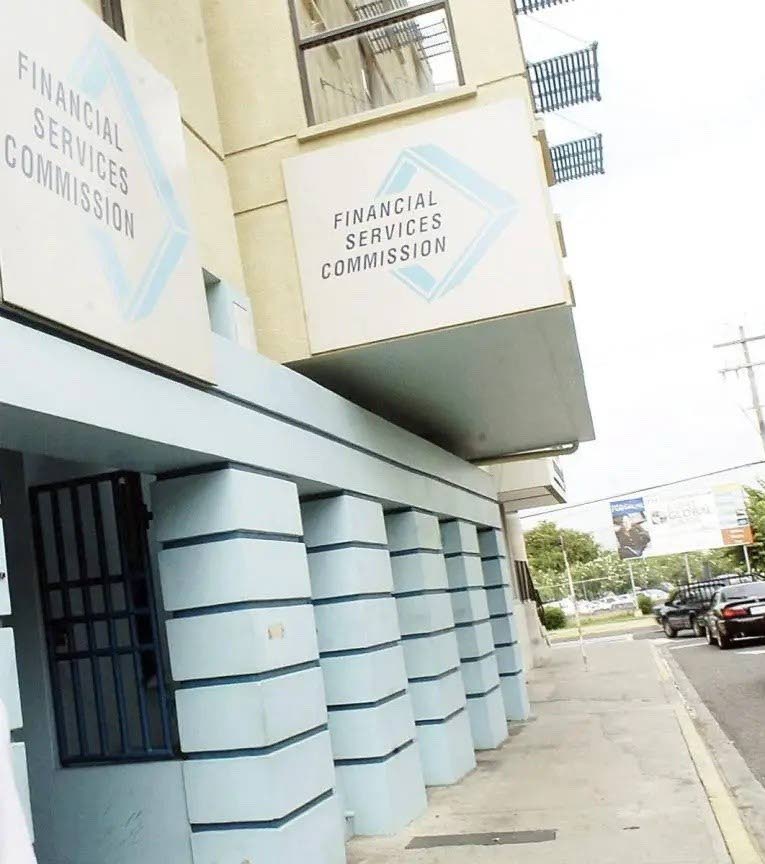 The entrance of the Financial Services Commission office on Barbados Avenue, New Kingston.
The Financial Services Commission (FSC), Jamaica’s insurance regulator, has been publishing a full‑page advertisement in both daily newspapers since last Friday. It was issued jointly with the Insurance Association of Jamaica (IAJ), the Jamaica Insurance Brokers Association (JIBA), and the Loss Adjusters Association of Jamaica, and sought to address lingering problems with the settlement of claims arising from Hurricane Melissa.
While the gesture of collaboration across the insurance value chain is commendable, the statement raises troubling questions. It was silent on the nature of the problems that have plagued claimants, offered no metrics on the scale of the backlog, and failed to engage claimant representatives. Most worryingly, it was not forward‑looking, despite being written during the 2026 Atlantic hurricane season.
THE MISSING SUBSTANCE
The joint statement acknowledged delays but did not explain their causes. Claimants were left without clarity on whether the bottlenecks stemmed from loss adjuster capacity, disputes over deductibles, inflationary pressures, or systemic weaknesses in insurers’ catastrophe response frameworks.
Equally concerning was the absence of data. How many claims were filed? How many remain unsettled? What is the average time to resolution? Without these metrics, the public cannot assess whether progress is being made or whether the regulator’s intervention has had any measurable impact. Transparency is the bedrock of regulatory credibility, and here it was conspicuously absent.
Hidden in plain sight in paragraph 11 of the statement are the words: ‘… the industry’s objective of settling the vast majority of Hurricane Melissa’s claims, excluding complex and litigated matters, by the end of September 2026.’
CLAIMANTS LEFT OUT
The FSC’s statement was crafted in collaboration with industry associations, but there is no evidence that claimant representatives were consulted. This omission is striking. Policyholders are the ultimate stakeholders in the insurance ecosystem, and their perspectives on delays, settlement offers, and communication gaps are vital.
By failing to include claimant voices, the regulator risks appearing aligned with industry interests rather than acting as an impartial arbiter. The regulator’s action further undermines consumer confidence at precisely the moment when reassurance is most needed.
GUIDELINES IGNORED
The FSC already has claim settlement guidelines and protocols designed to protect consumers. Yet the joint statement did not refer to these standards. Instead, it offered five generic pointers to claimants on how to accelerate settlement, months after Melissa. While practical advice has its place, it is no substitute for a clear regulatory framework that enforces timeliness, fairness, and accountability.
The omission suggests either that the guidelines are inadequate for catastrophe scenarios or that the regulator chose not to emphasise them. Either way, the silence is troubling.
NOT FORWARD-LOOKING
Perhaps the most glaring weakness of the statement was its lack of vision. Hurricane Melissa struck last year, but Jamaica is now approaching the most active part of the 2026 Atlantic hurricane season. More storms are inevitable, and earthquakes also pose a significant threat.
A regulator’s role is not only to resolve past crises, but to prepare the industry for future ones. The statement should have outlined steps to strengthen catastrophe claims protocols, build surge capacity, and integrate technology such as geospatial analysis and risk modelling. Instead, it looked backwards, offering no roadmap for resilience.
THE BROADER CONTEXT
Melissa exposed systemic weaknesses in Jamaica’s insurance claims and other ecosystems. Loss adjusters, including some from overseas, struggled with volume and complexity. Deductibles and average clauses left many claimants dissatisfied. Inflation eroded the value of settlement offers. And insurers lacked comprehensive disaster response frameworks.
The FSC’s intervention was necessary, but the joint statement suggests that the regulator remains reactive rather than proactive. Without structural reforms, the same problems will recur with the next catastrophe. The Twin Peaks regulatory model will not solve these.
WHAT SHOULD HAVE BEEN SAID
A more effective statement would have acknowledged the specific problems (for example, loss adjuster bottlenecks, deductible disputes, inflationary erosion, and the lack of business continuity planning).
•Provided metrics on claims filed, settled, and outstanding.
•Engaged claimant representatives to ensure consumer perspectives were included.
•Reaffirmed existing guidelines and explained how they apply to catastrophe scenarios.
•Outlined forward‑looking reforms, such as catastrophe claims protocols, surge capacity planning, and technology adoption.
Such a statement would have reassured claimants, demonstrated transparency, and signalled that the regulator is preparing the industry for future shocks.
TOWARDS A RESILIENT CLAIMS ECOSYSTEM
The FSC now has an opportunity to move beyond generic advisories and orchestrated meetings. It can lead the industry in developing a comprehensive catastrophe claims framework that includes:
•Explicit acknowledgement protocols for catastrophe claims.
•Accelerated decision‑making deadlines to prevent backlogs.
•Surge capacity standards for adjuster deployment.
•Integration of geospatial technology to reduce reliance on physical site visits.
•Supervisory dashboards to monitor settlement progress in real time.
•By embedding these reforms, the regulator can transform the claims process from a source of frustration into a pillar of resilience.
CONCLUSION
The FSC’s joint statement was another missed opportunity. It demonstrated collaboration but failed to provide transparency, include claimant voices, or chart a path forward. During hurricane season, Jamaica needs more than platitudes — it needs a regulator that is proactive, data‑driven, and consumer‑focused.
Hurricane Melissa revealed systemic weaknesses that cannot be ignored. Unless the FSC and the industry adopt forward‑looking reforms, the next catastrophe will expose the same vulnerabilities, eroding more trust in insurers and regulators alike. The time to act is now.
If you require assistance with managing risks or resolving insurance issues, Cedric E. Stephens offers free counsel and advice. To obtain information and counsel, please write to The Business Editor at business@gleanerjm.com or contact Mr Stephens directly at aegisja@gmail.com. Letters and e-mails will be edited for clarity and length.