IDB Invest lines up US$80m loan for JPS grid recovery
Loading article...
-
 IDB Headquarters in Washington, DC, USA. (contributed)
-

-
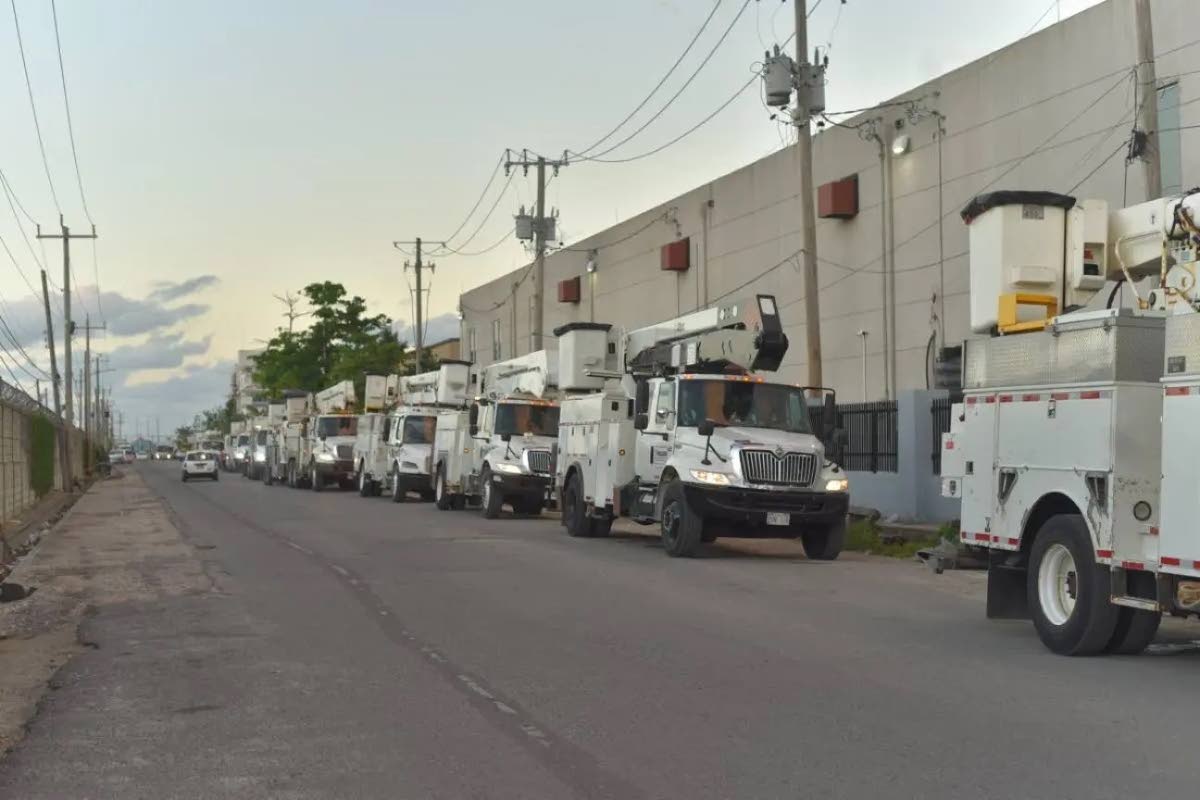
Power utility Jamaica Public Service Company Limited (JPS) aims to secure US$80 million, about J$12.7 billion, from the private-sector arm of the Inter-American Development Bank Group (IDB) for liquidity purposes and Hurricane Melissa restoration works, according to project disclosures.
“The proposed transaction consists of a corporate loan of up to US$80 million to JPS to provide liquidity required by the company,” stated the IDB disclosure on the proposed loan. “The financing will have a tenor of up to three years.”
The IDB board will decide on approving the loan on August 7. It is separate from the Government of Jamaica’s US$150-million loan to JPS and from previous drawdowns from the Electricity Disaster Fund, both of which were announced late last year.
JPS in February 2024 signed a US$100-million financing package from the IDB to fund JPS’s capital investment programme. The company, however, was hit by two successive hurricanes in July 2024 and October 2025, resulting in the company focusing on recovery.
According to the latest IDB disclosure, JPS incurred “unplanned expenditure of more than US$300 million to pay for restoration works due to the impact of Hurricane Melissa”, including repairs to generation, transmission and distribution assets, telecommunications infrastructure, climate-resilient upgrades, and energy-storage solutions. The IDB added that the event highlighted the vulnerability of critical energy infrastructure to “increasingly severe weather events” and reinforced the need for “climate-resilient infrastructure planning and design”.
JPS is Jamaica’s sole electricity utility. The grid spans roughly 1.0 gigawatt of installed capacity across JPS-owned plants and independent power providers, and serves roughly 710,000 customers.
The loan is structured in two tranches. An IDB Invest “A Loan” of up to US$50 million would refinance debt-service payments falling due over the next three years, restore JPS’s disaster-relief liquidity fund and cover additional capital expenditure through to 2029. A second tranche of up to US$30 million in blended finance would fund further grid hardening and infrastructure upgrades. The financing carries a tenor of up to three years.
The new facility adds to a growing stack of recovery financing for the utility. In addition to the Government’s US$150-million loan, the Office of Utilities Regulation approved drawdowns from the Electricity Disaster Fund and, separately, sanctioned a US$106.6- million parametric insurance framework combining products from the Caribbean Catastrophe Risk Insurance Facility and Descartes Insurance ahead of the 2026 hurricane season.
JPS reported a 50 per cent drop in first-quarter net profit to US$6.4 million in May, weighed down by the storm’s aftermath. Operating revenue fell nine per cent to US$240.4 million as a few customers in the western parishes remained without full service deep into the quarter. Capital spending tripled year-over-year to US$96.5 million as the company raced to rebuild infrastructure battered by winds of up to 185 miles per hour.
The financing arrives at a sensitive moment for JPS. Energy Minister Daryl Vaz announced last year that the Government would not automatically renew the company’s electricity licence on its existing terms when it expires in July 2027, signalling a push for new or renegotiated conditions that could open the sector to fresh investors.
JPS is owned 40 per cent each by Japan-based Marubeni Corporation, and South-Korea-based Korea Electric Power Corporation. The Government of Jamaica holds 19.9 per cent, with private individuals holding the remainder. The company’s preference shares are listed on the Jamaica Stock Exchange.
IDB Invest classified the project as Category B, indicating limited and reversible environmental and social risks.
JPS currently has 1,336 direct employees, of which 418 are women, the social and environmental assessment indicated on the 70-to-30 gender ratio, which narrows slightly at management level, the IDB stated. “Women currently occupy approximately 25 per cent of leadership positions within the organisation.”
business@gleanerjm.com