‘Socametrics’ — Jump, wave, and pay
Loading article...
-
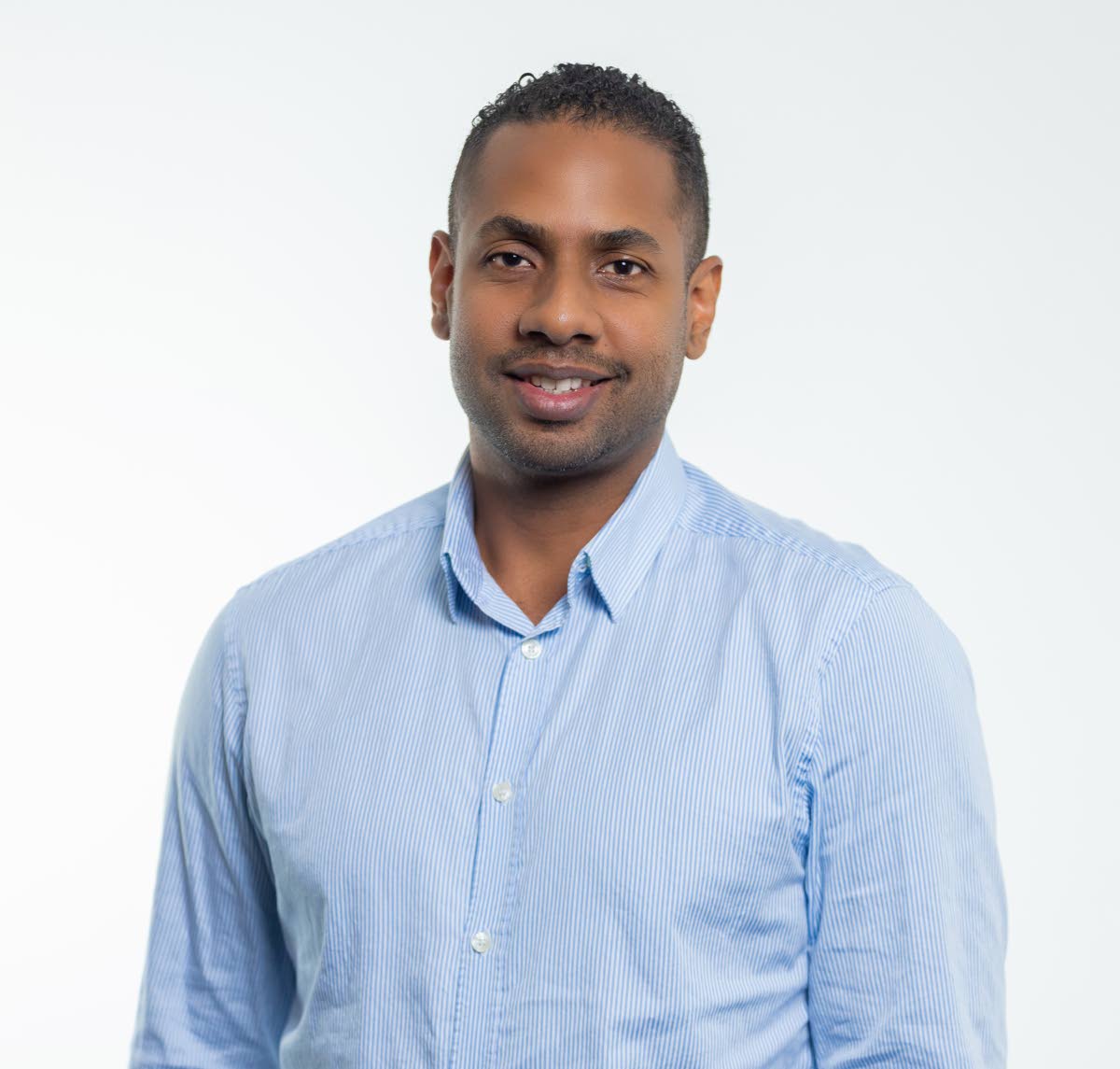
Kamal Bankay, executive chairman of Dream Entertainment Ltd, and chair of Carnival in Jamaica.
-
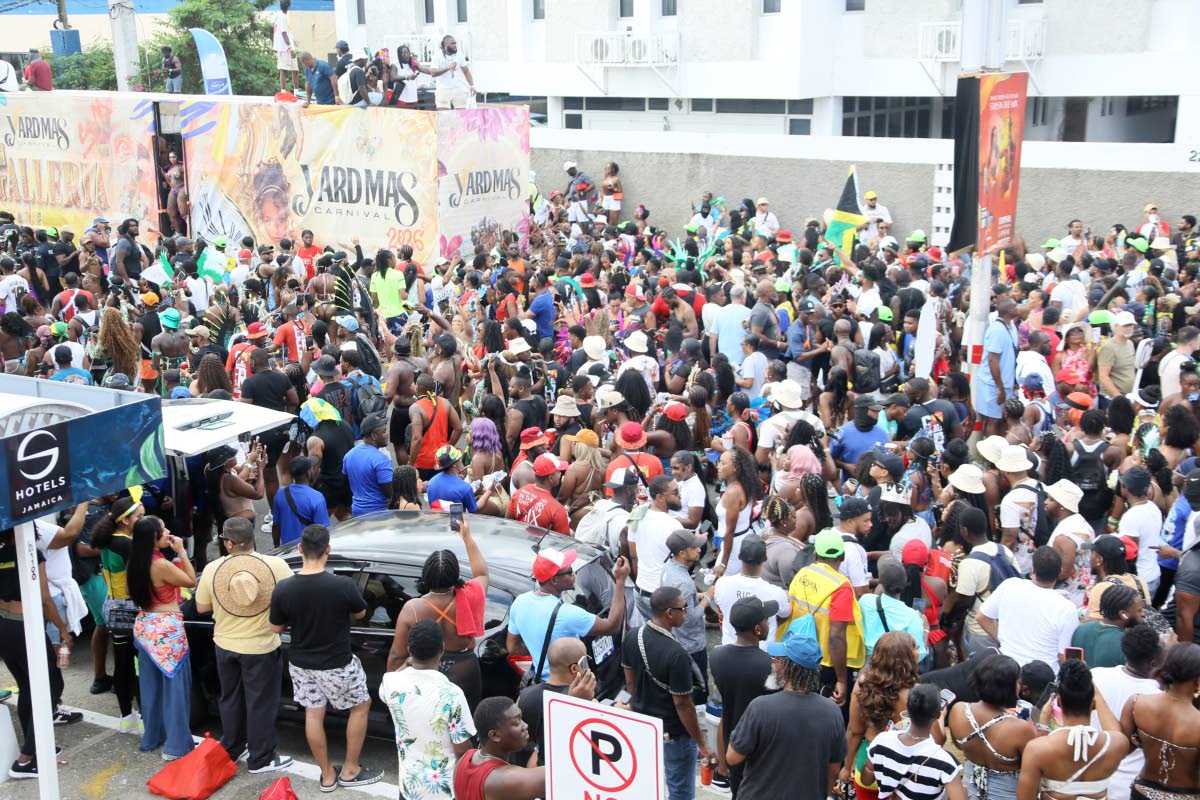 Yard Mas on Knutsford Blvd on Sunday April 12 along Hope Road, Kingston.
-
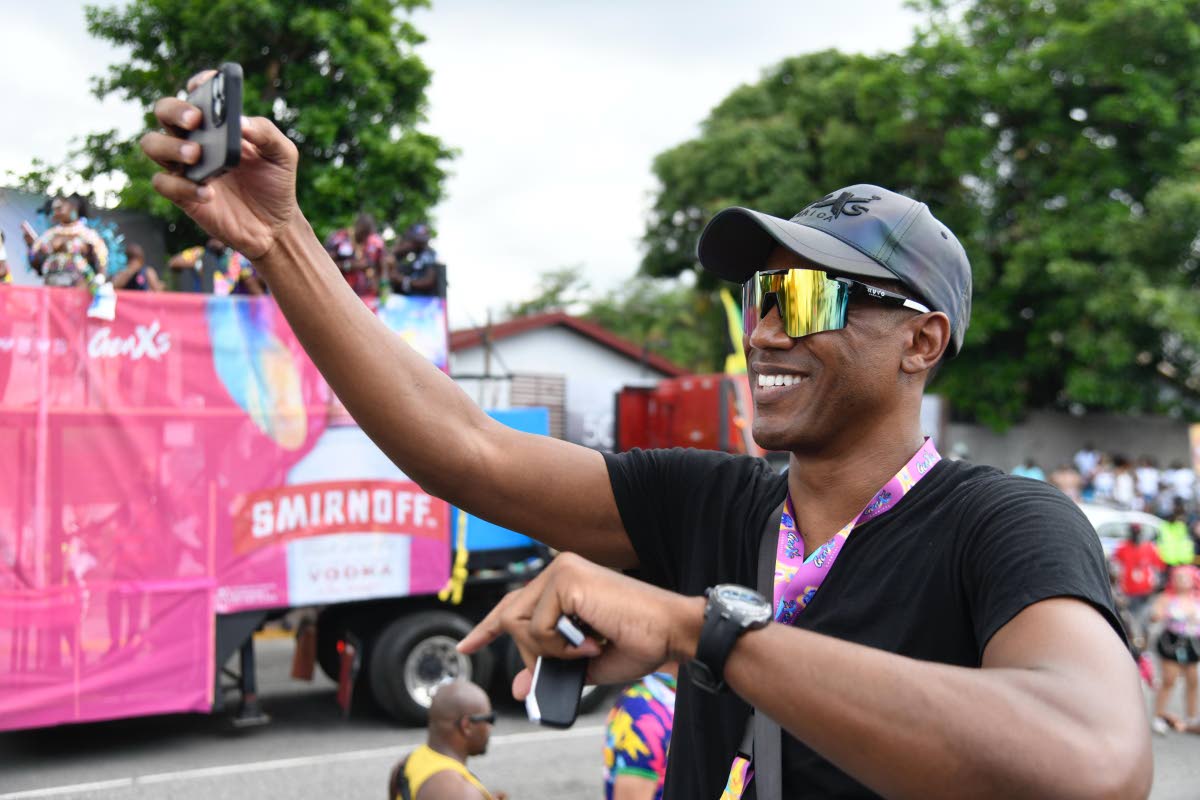 Kibwe Mcgann sponsorship and media communications manager at Gen XS.
The streets of Kingston were filled with revellers dancing in the soca economy as Sunday turned to Monday. Behind the costumes and road-march revelry, a more sober calculation is taking shape – whether there were fewer revellers, less spend, and more tension, highlighted by a double shooting at a final fete and whether carnival was affected like the wider economy by the fallout from Hurricane Melissa last October.
“If the economic impact is the same as last year, it would be a huge win for Jamaica post-Melissa,” said Kamal Bankay, group chairman of Dream Entertainment Ltd, which includes Dream Weekend and Xodus Carnival, in a Financial Gleaner interview.
“We had about 11,000 revellers and 70 fetes – the most ever since we started. It’s also the largest spectator crowd I’ve seen although I’m not sure of the numbers,” said Bankay, who also chairs the Sports and Entertainment Network committee within the Tourism Enhancement Fund.
Preliminary indicators suggest that accommodation demand held up for 2026. Media reports indicate that hotels in Kingston were booked alongside short-term rentals, restaurants, and service providers across the carnival period.
Comprehensive spending data for 2026 is not yet available as the formal economic impact assessment is expected to be released later in the year.
A year earlier, direct spending at carnival – money spent by revellers on costumes, fetes, accommodation, food, and transport – rose 75 per cent to $7.7 billion in 2025 from $4.4 billion in 2024, according to government data and research by Dr Michael Marshall and Dr Stephen Johnson of the University of the West Indies, commissioned by the state-led Tourism Enhancement Fund. The commissioned study also applied indirect and induced multiplier effects to arrive at a total economic output figure of $165.7 billion in 2025, compared with $111.7 billion in 2024, implying a multiplier of roughly 21 times direct spend.
The postponement of carnival for two years due to COVID-19 restrictions and its return in 2022 may have influenced the subsequent double-digit rise in economic output. No peer-reviewed or independent replication studies were found on Google Scholar at the time of publication.
Main bands
What began in the 1950s as parties by Trinidadian students at the University of the West Indies evolved into Jamaica Carnival road marches in the 1990s led by Byron Lee & The Dragonaires before Bacchanal Jamaica assumed the lead in the early 2000s. Post-pandemic, band franchises – Xodus, YardMas, and GenXS – anchor the calendar. Their events include costume launches, all-inclusive parties, breakfast fetes, beach events, and post-parade concerts, each generating its own revenue stream.
Individual spend
Carnival visitors tend to stay five to seven days, extending spend across accommodation, dining, transport, and nightlife – well beyond a typical weekend trip. In 2025, overseas patrons spent an average of US$5,320 (J$850,000) per person, while locals spent about J$430,000, according to state media. The season supports an estimated 200,100 jobs.
The season also generates revenue across costume design, choreography, security, logistics, food vending, photography, and event management, according to academic Kai Barratt, whose 2023 paper in the UTECH Journal examined carnival’s viability as a sustainable economic model. Surveys cited in Barratt’s study show strong youth engagement but persistent scepticism among some Jamaicans who regard the season as expensive and exclusionary.
“This cultural complexity is framed by Jamaica’s history of slavery and colonisation, which resulted in socio-ethnic discord that influences cultural practices. This discord, the high cost of participation, and its non-indigenous nature ensure the carnival is an event for uptown locals and visitors,” Barratt wrote.
Barratt also flags the tension between private profit and public backing. Under the state-led Linkages Network, the umbrella brand Carnival in Jamaica was created, but she notes that much of the profit circulates within a small group of promoters, with limited spillover into broader community development unless deliberate policy is applied.
Kibwe McGann, sponsorship and media communications manager and a director for GenXS, argued that carnival’s long-term legitimacy depends on deeper local grounding – greater integration of Jamaican storytelling, visual identity, and grass-roots participation rather than a replica of regional counterparts.
“I continue to say that Jamaica Carnival can become the biggest in the world if we continue on this line,” said McGann, who is also chief marketing officer at tech firm WiPay Group.
The 2026 season was not without incident. A shooting at Big Wall, a carnival after-party held on April 12, left three men hospitalised – Jeremy Watson, a US visitor believed to be a bystander; Trevor Twaite, reportedly associated with the entertainment group 450; and podcaster Jaii Frais, whose given name is Jhaedee Richards. The matter is before the courts.
business@gleanerjm.com