Mark Berman | Beyond the harvest - 60 years of Canada-Jamaica partnership
Loading article...
-
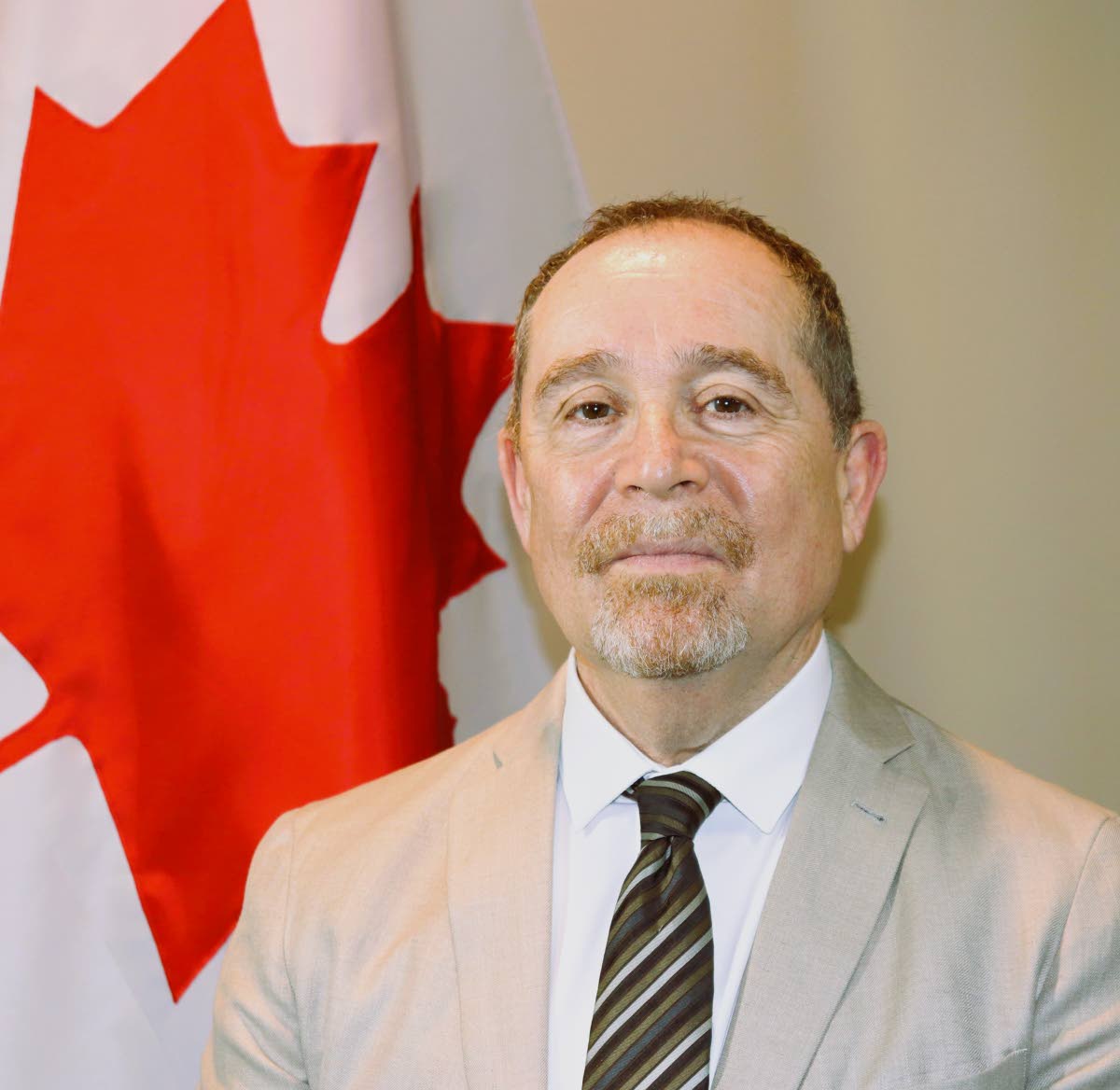 Mark Berman is the High Commissioner of Canada to Jamaica. Photo - Contributed
-
Mark Berman is the High Commissioner of Canada to Jamaica. Photo - Contributed
-
 Photo - Contributed
In 1966, two hundred and sixty-four Jamaicans travelled to Ontario to help bring in the apple harvest. They were the first workers to participate in what would become Canada’s Seasonal Agricultural Worker Program (SAWP), beginning a partnership that has connected Canadian farms and Jamaican communities for six decades.
Sixty years later, thousands of Jamaicans continue to make that journey each season, supporting Canadian farms while earning income that helps sustain families, build homes, and create opportunities in communities across Jamaica. What began as a modest labour arrangement has grown into one of the most enduring dimensions of the Canada–Jamaica relationship.
This November, Jamaica hosted the programme’s annual review, bringing together representatives from Canada and participating Caribbean countries. The meeting provided an opportunity to reflect on six decades of achievement, recognise the people who have sustained this partnership, and consider how it can be strengthened for future generations.
A partnership built by people
The success of the farm work programme cannot be measured by numbers alone. For generations of Jamaican families, it has represented more than seasonal employment: it has helped finance education, improve housing, support small businesses, and create greater economic security.
For Canada, their contribution has been equally significant. Jamaican workers have helped sustain agricultural production, supported Canadian farming communities, and contributed to the food that reaches Canadian tables. Many return to the same farms year after year, developing skills, relationships, and a deep understanding of Canadian agricultural operations and culture.
Throughout 2026, both countries have found meaningful ways to recognise this legacy. Leroy Heron was recognised in British Columbia for an extraordinary 42 seasons on Canadian farms, reflecting the dedication of thousands of workers over the generations. Niagara Falls was illuminated in Jamaica’s national colours, Canadian agricultural partners and the Government of Jamaica supported scholarships for the children of farm workers, and activities across Canada honoured the workers and communities at the heart of our longstanding relationship.
The strength of our partnership has also been demonstrated in difficult moments. Following Hurricane Melissa, many Jamaican workers in Canada faced uncertainty about the safety of their families and homes. Jamaica’s Liaison Service coordinated the return of more than 2,100 workers, while Canadian employers and community organisations assisted those affected. Such moments remind us that the bonds between our countries extend well beyond the workplace.
Protecting workers, strengthening the programme
We must also acknowledge the integrity and the need to support the continuous improvement of the programme.
Concerns about housing, working conditions, occupational health and safety, and workers’ ability to raise grievances have been brought forward by workers and advocacy organisations, drawing attention to vulnerabilities experienced by some temporary foreign workers in Canada.
These concerns deserve serious attention. Every worker deserves to be treated with dignity and to work in safe conditions. Canada has measures in place to help protect temporary foreign workers, including open work permits for vulnerable workers who are experiencing or are at risk of abuse and mechanisms for workers to transfer between approved employers.
But having protections in place is not enough. Their effectiveness depends on implementation, enforcement, and workers’ ability to access them.
Jamaica has been an important partner in advancing worker welfare through its liaison services, monitoring activities, and continued advocacy on behalf of agricultural workers. This engagement, alongside Canada’s ongoing efforts to strengthen compliance and worker protections, remains essential to the programme’s future.
The annual review provides an important forum for that work. Through direct dialogue, participating governments can examine employment arrangements, working conditions, housing, health and safety, and other matters affecting workers and employers. These discussions are an important part of ensuring that the programme continues to respond to changing needs and expectations.
Adapting to a rapidly changing world
The world has changed considerably since the first Jamaican workers arrived in Canada. Agricultural production faces evolving labour demands, climate-related pressures and increasing uncertainty. At the same time, workers and their families rightly expect employment opportunities that offer fair treatment, security, and meaningful economic benefits.
The Seasonal Agricultural Worker Program demonstrates what sustained government-to-government cooperation can achieve through an established framework for labour mobility with shared responsibilities and a commitment to listen, adapt, and address challenges as they arise.
For example, programme integrity also means protecting prospective workers from fraud. Recruitment for the Seasonal Agricultural Worker Program in Jamaica is administered through the Ministry of Labour and Social Security. Legitimate opportunities to work or migrate should never be overshadowed by the false promises of fraudsters.
In November, the High Commission of Canada, together with Immigration, Refugees and Citizenship Canada, the Jamaica Constabulary Force, and the Ministry of Labour and Social Security are launching a joint immigration fraud awareness campaign, “Spot it. Stop it. Report it.” to help Jamaicans to recognise warning signs, verify information through official channels and report suspected fraud.
Honouring the past, investing in the future
The Seasonal Agricultural Worker Program’s legacy belongs first and foremost to the generations of Jamaican workers whose dedication and resilience have helped sustain it.
Canada values their contribution and remains committed to working with Jamaica, participating governments, employers, and workers to continue strengthening the programme.
The 264 Jamaicans who travelled to Canada in 1966 could scarcely have imagined the lasting impact of that first journey. Six decades later, the most meaningful way to honour that legacy is not only to celebrate how far we have come but to continue to ensure that the next generation of workers inherits a programme that is safer, fairer, and stronger. That is both our achievement and our shared responsibility.
Mark Berman is the High Commissioner of Canada to Jamaica. He assumed his role in August 2024. Send feedback to columns@gleanerjm.com