MELISSA 365 | 'We want to build back lives'
Loading article...
-
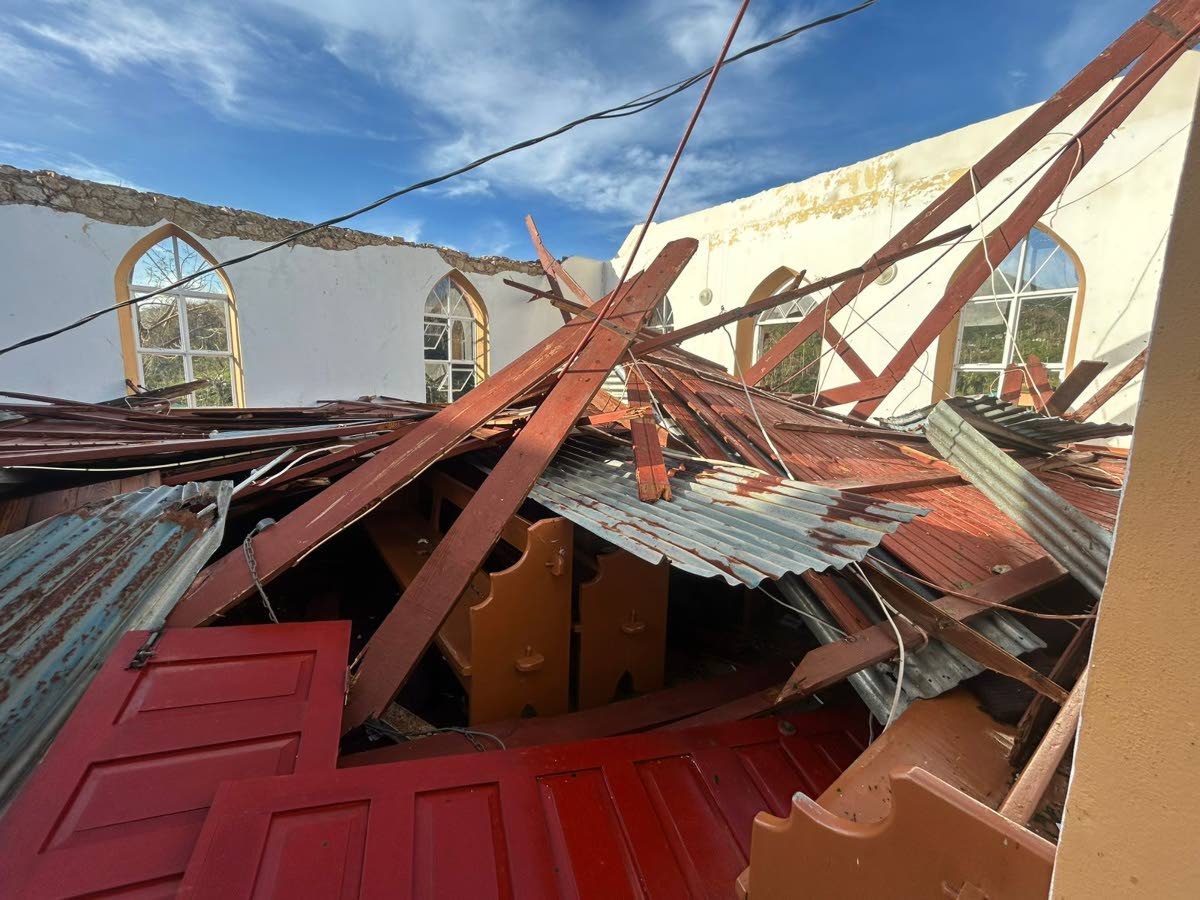 Inside the Mount Hermon United in Westmoreland after Melissa’s blow. Photo - File
-
Inside the Mount Hermon United in Westmoreland after Melissa’s blow. Photo - File
-
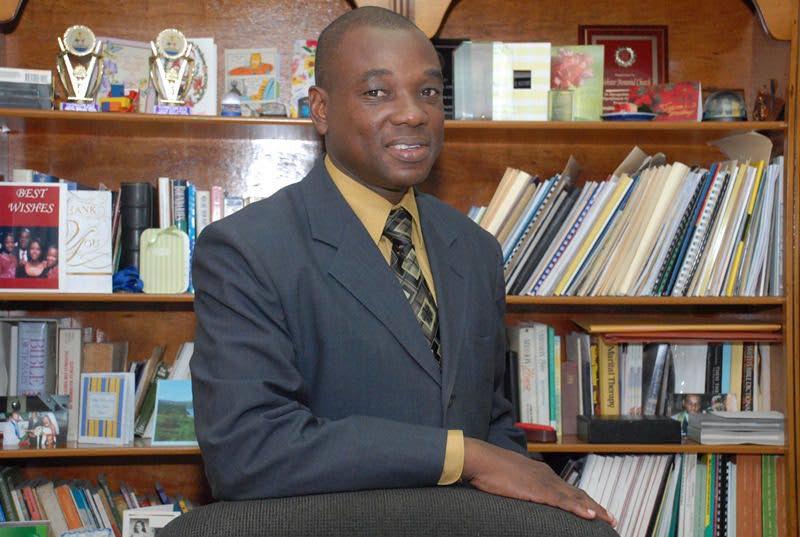 Reverend Norbert Stephens, director of special projects for the United Church in Jamaica and the Cayman Islands.
-
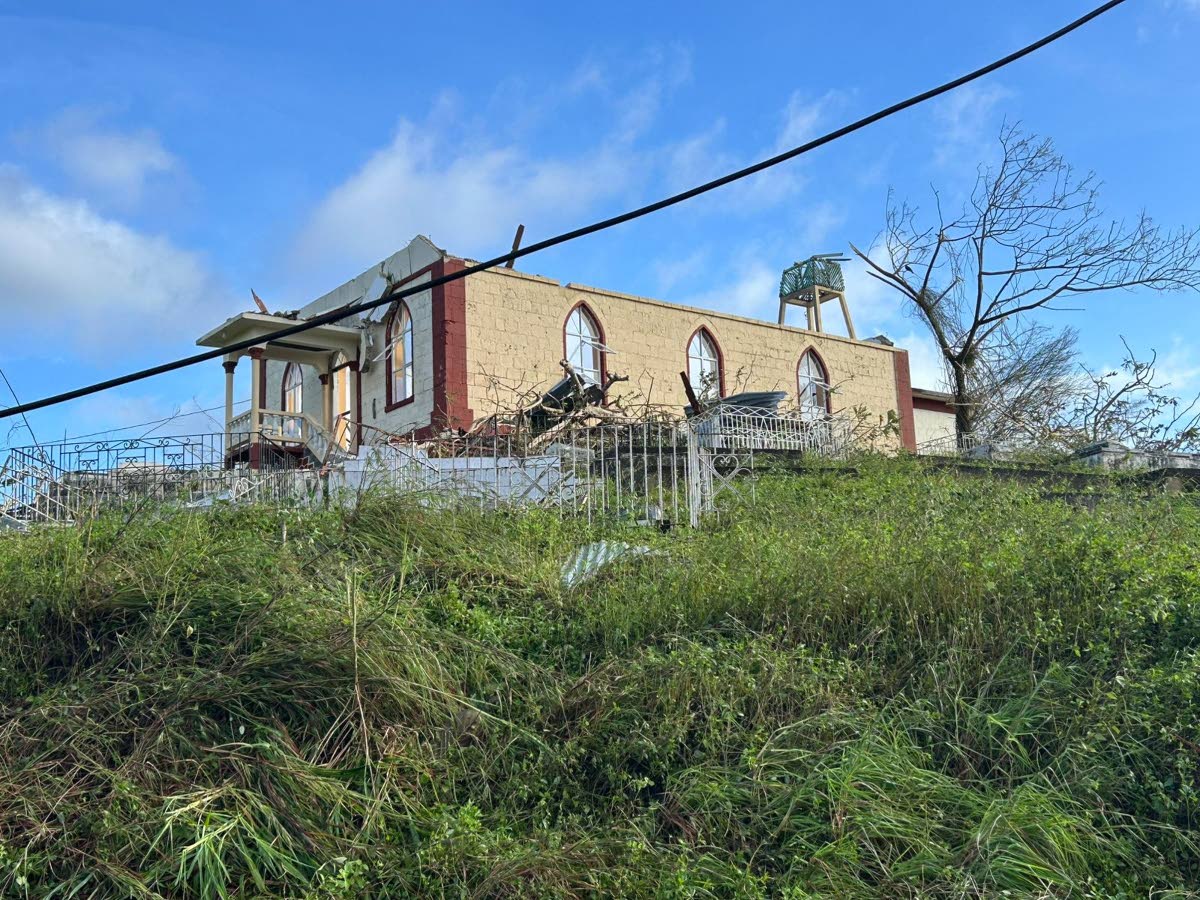 The Mount Hermon United Church in Westmoreland after the passage of the hurricane last year. Photo - File
-
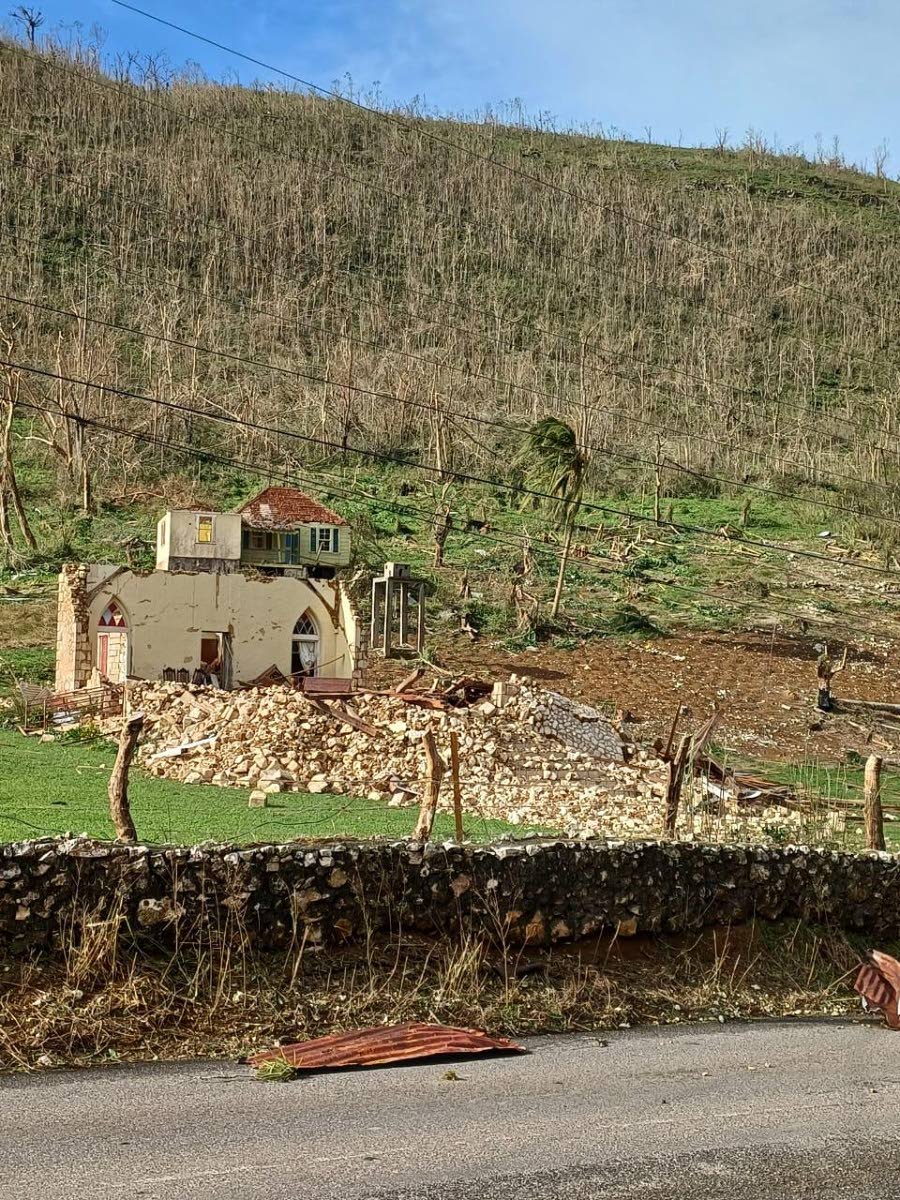 Complete decimation was what faced the Happy Grove United Church in St Elizabeth last October. Photo - File
-
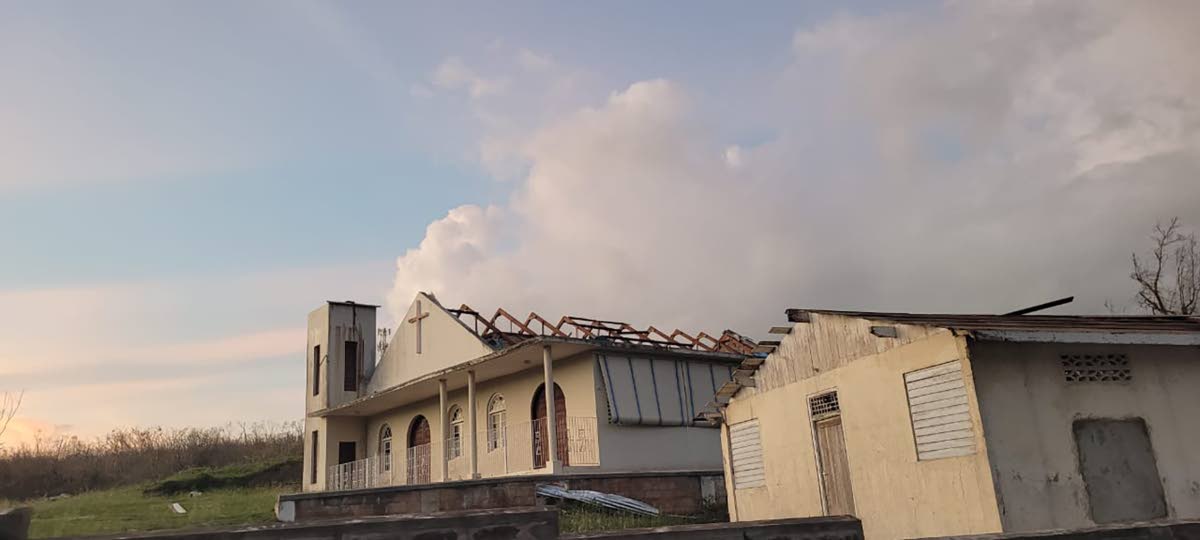 The Goodwill United Church in Trelawny also took a battering. Photo - File
-

WESTERN BUREAU:
A year after Hurricane Melissa damaged 54 United Church congregations, destroying eight of their sanctuaries, the denomination is stressing that rebuilding church buildings is its last priority.
Instead, its focus is on restoring shattered livelihoods, helping farmers return to the land, putting roofs over families’ heads and ensuring that communities devastated by the Category 5 hurricane can begin to stand on their own again.
“We want to build back lives,” Reverend Norbert Stephens, director of special projects for the United Church in Jamaica and the Cayman Islands, told The Gleaner.
“The church is not the building,” he said, insisting that worship can continue in halls, verandahs and other temporary spaces while the institution directs its limited resources towards people still struggling to recover.
Of the 54 congregations affected by the hurricane, eight lost their church buildings completely, while many others sustained extensive roof damage. Stephens estimates that replacing a roof alone could cost between $8 million and $10 million, while constructing a new sanctuary could require between $50 million and $60 million.
With 46 congregations suffering varying degrees of damage short of complete destruction, the potential cost of roof repairs alone could approach half a billion dollars, although the United Church has not established a comprehensive damage estimate.
Restoring lives
Yet Stephens, a former general secretary of the denomination, is adamant that restoring those buildings must not overshadow the more urgent task of restoring lives.
“The priority isn’t so much the church building, but it is helping people to recover. It is helping people to have somewhere to live. It is having people recover their livelihood,” he explained.
That philosophy is now taking shape in St Elizabeth, where the church has secured more than $1 million from a group of Jamaicans in Switzerland to assist 30 small farmers whose livelihoods were disrupted by Melissa.
The beneficiaries, drawn from communities in the Santa Cruz and Giddy Hall areas, include poultry farmers and small-scale crop producers, many of whom depend on their modest agricultural operations to feed their families and earn a living.
The assistance will support the replacement of lost livestock, the restoration of crops and repairs to essential farming infrastructure and equipment.
However, one year after the hurricane, the programme is only now being organised, following the recent confirmation of funding.
Stephens acknowledged that the intervention is coming later than the church would have wished.
“This is late in coming,” he conceded.
The original plan was considerably more ambitious. The denomination had identified more than 100 potential beneficiaries and hoped to extend similar assistance to farmers in Westmoreland, with the proposed programme estimated at close to $10 million.
That funding has not materialised, leaving the United Church able to proceed with only the initial 30 families in St Elizabeth.
For Stephens, the significance of the intervention extends beyond agriculture.
“If you don’t have [anything] to plant, you don’t have [anything] to eat. What are you going to do in our church?” he asked.
He stressed that the beneficiaries do not run large commercial farming enterprises, but manage small holdings on which families depend for survival.
“These are people who this is what they grow in order to live,” he said, explaining that the objective is to give them the means to resume the activities that sustained their households before Melissa.
Other initiatives
Beyond the farming initiative, the United Church’s hurricane response has included helping families repair sections of damaged roofs, providing tools to people who lost their means of earning a living, and supporting children and communities through back-to-school activities and other outreach programmes.
Stephens recalled travelling through St Elizabeth shortly after Melissa and witnessing families living in houses without roofs, exposed to the elements.
One of his most painful memories was seeing people inside their damaged homes with nothing separating them from the sky.
That experience reinforced his conviction that the church could not justify placing the reconstruction of its sanctuaries ahead of the immediate needs of vulnerable families.
Overseas volunteers, including groups from Rochester and the Cayman Islands, have assisted with roofing repairs in affected communities.
In some cases, the resources available were sufficient to cover only a single room, but Stephens said even that modest intervention gave families somewhere dry and relatively secure to sleep.
Rather than waiting until substantial funding becomes available, Stephens said the emphasis has been on identifying practical interventions that allow people to begin earning again.
He also raised concerns about the difficulties some hurricane survivors have encountered in accessing housing assistance because they cannot establish legal ownership of the land on which they live.
According to Stephens, inherited family properties, sometimes still registered in the names of relatives who died generations ago, have created obstacles for applicants seeking assistance.
Stephens explained that the church undertook a process of assessing its affected congregations, examining their long-term sustainability and identifying which facilities could be restored quickly to accommodate worshippers.
Repairs supported by benefactors
In Grange Hill, Westmoreland, where a sanctuary lost its roof and suffered the collapse of a wall, assistance from a church member made it possible to repair a hall where the congregation now worships.
A similar arrangement has been made at Retirement in St Elizabeth.
The hall at Sterling in Grange Hill was recently rededicated following repairs supported by a benefactor.
For Stephens, these temporary or alternative worship arrangements demonstrate that the absence of a traditional sanctuary need not mean the disappearance of a congregation.
He has even raised the possibility of different denominations sharing worship facilities, particularly in communities where several churches were severely damaged.
Although the idea has not gained significant traction, Stephens believes it deserves serious consideration.
He has also challenged church leaders to ensure that repaired buildings serve wider community purposes rather than functioning solely as places of Sunday worship.
“For every building we repair, whatever it is, it’s going to have a multi-purpose function. You must do something for the community as well,” he said.
The United Church’s post-Melissa response has been organised around four phases, beginning with emergency relief and progressing through recovery, rehabilitation and longer-term sustainability.
Stephens remains resolute that the Church’s greatest achievement will not be counted in reconstructed sanctuaries.
“If you’re not doing something for the community, why then do you exist?” he asked. “You don’t exist for yourself.”
janet.silvera@gleanerjm.com