JPS harnesses power of water - Looks towards hydroelectricity’s potential in shaping Jamaica’s energy future
Loading article...
-
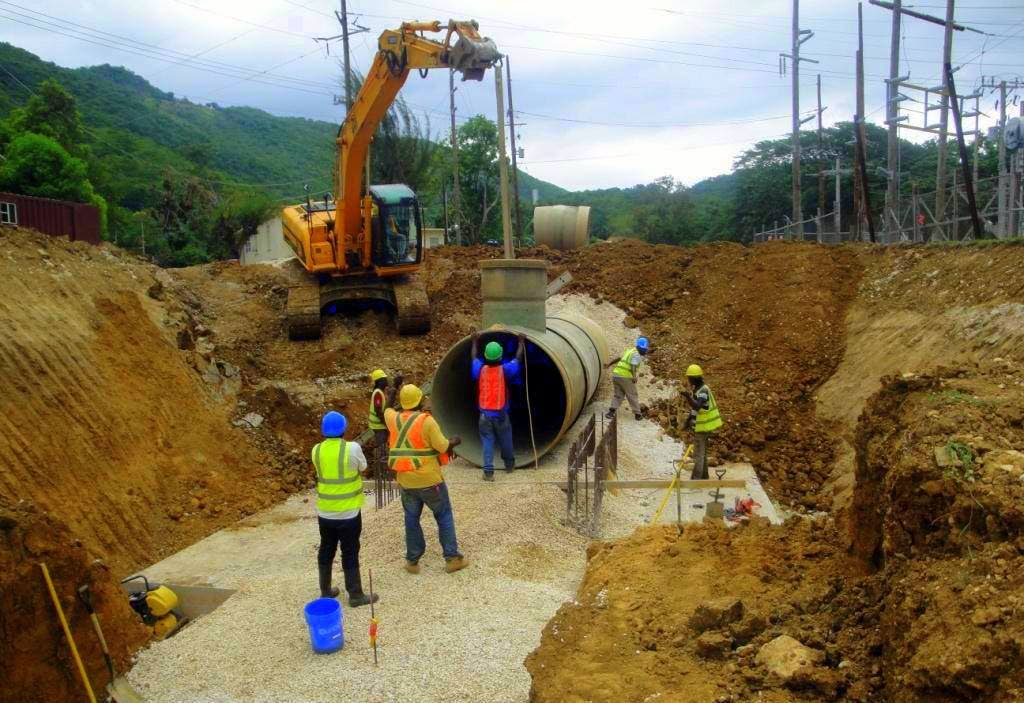 Workmen at a section of the pipeline to serve the new Maggotty Hydro Plant. Photo - Contributed
-
Workmen at a section of the pipeline to serve the new Maggotty Hydro Plant. Photo - Contributed
-
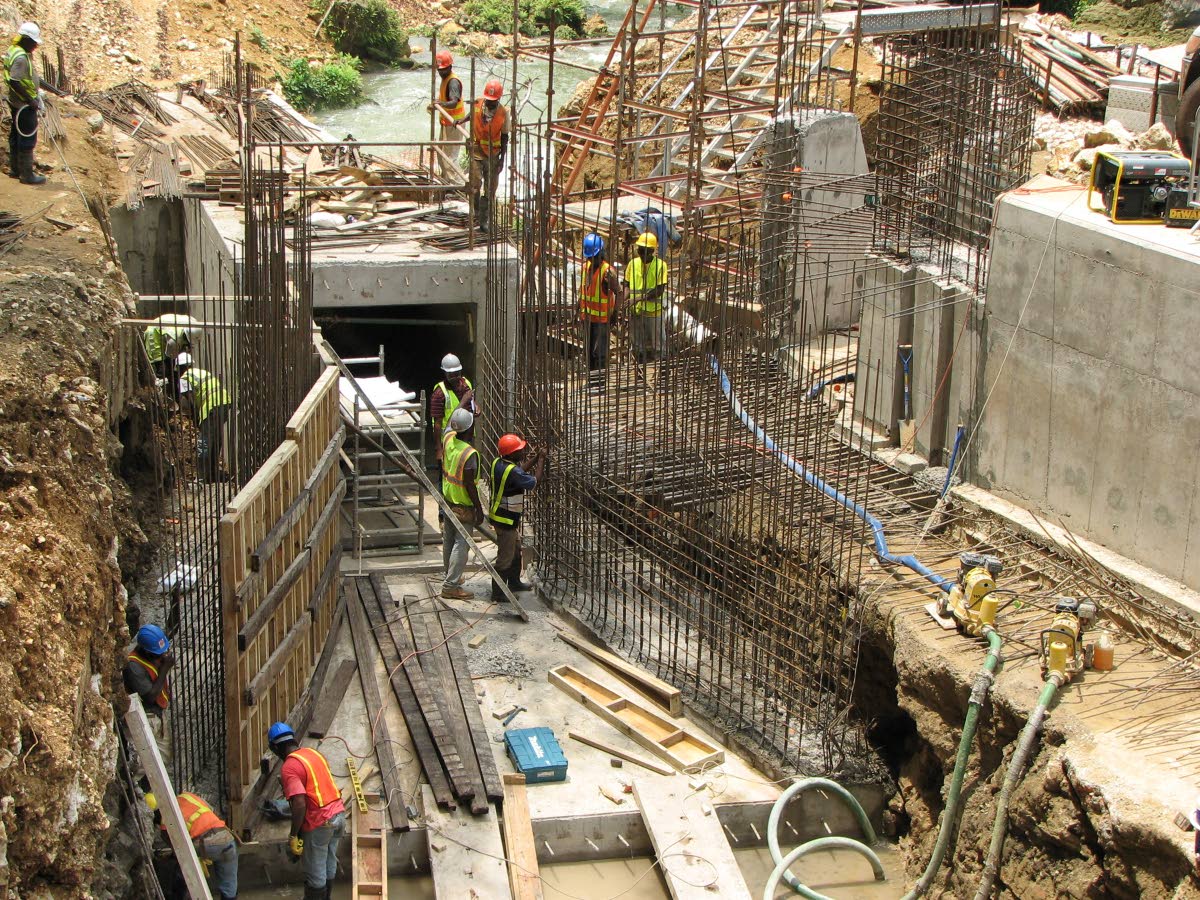 Work being carried out on the second Maggotty Hydro in 2014. Photo - Contributed
-
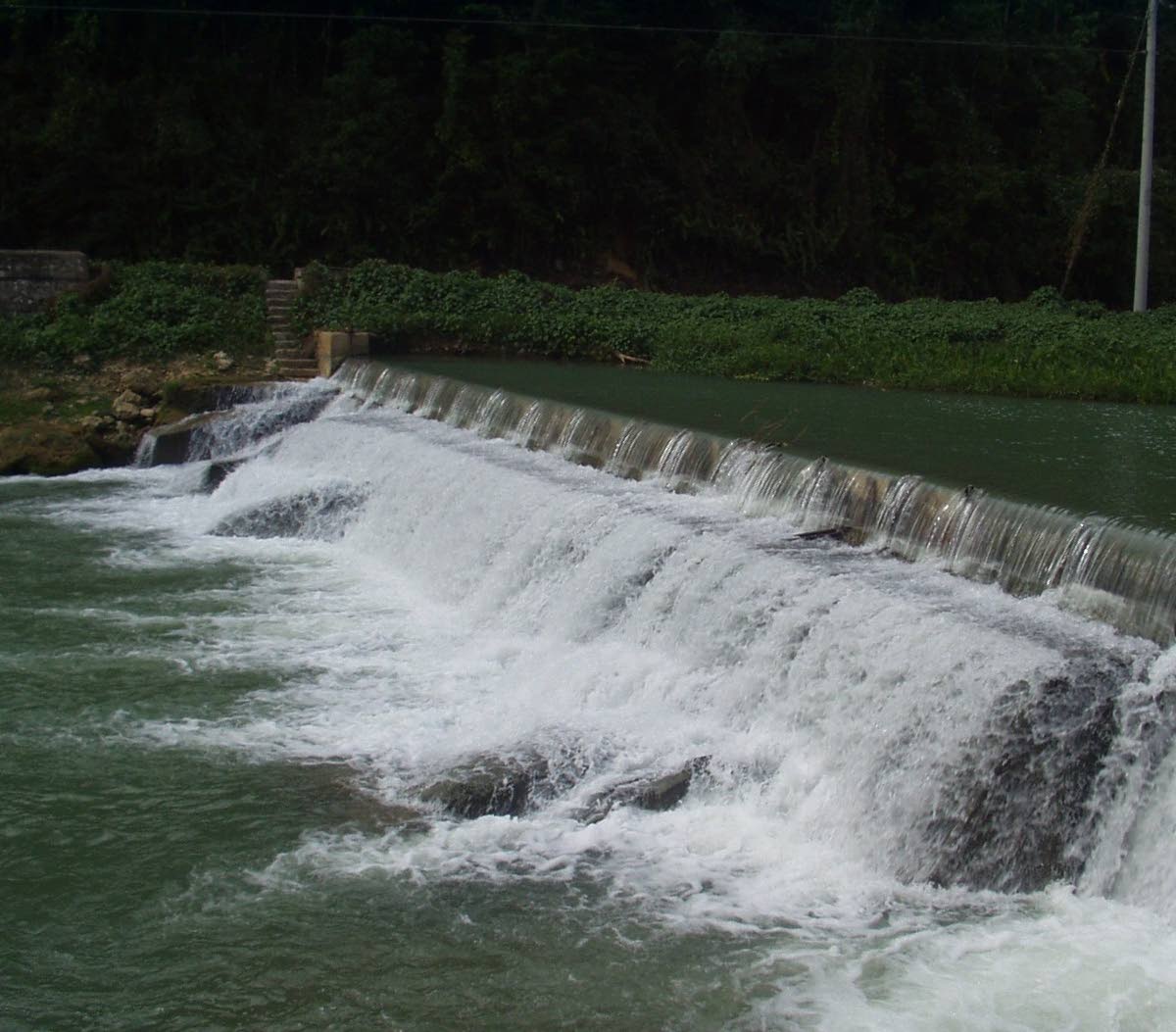 Section of the dam for the Maggotty Hydroelectric Power Plant. Photo - Contributed
-
 Preparation work during construction of new Maggotty Hydro Plant. Photo - Contributed
Long before solar panels appeared on rooftops and wind turbines became familiar features of Jamaica’s landscape, Jamaica Public Service Company (JPS) was already producing electricity from one of this country’s most valuable natural resources: water.
For decades, JPS has harnessed the flow of rivers to generate electricity, making hydropower one of the country’s oldest forms of renewable energy, long before ‘renewables’ was a buzzword. While hydroelectricity today accounts for a modest share of Jamaica’s overall electricity generation, its contribution extends beyond the number of megawatt-hours it supplies. (Megawatt-hours are a measure of electricity in the same way that gallons are a measure of water.)
JPS, incorporated in 1923, today serves over 700,000 customers across the island, operating a diverse generation portfolio, which includes conventional and renewable energy. Hydropower has remained a constant source of energy generation throughout much of the company’s journey.
“Hydropower has been part of Jamaica’s energy mix for generations,” said Sameer Simms, vice-president of generation at JPS. “The company is not only harnessing one of Jamaica’s most readily available natural resources; it is also demonstrating the value of long-term engineering excellence. One of our oldest hydro stations has been operating for approximately eight decades and remains highly productive today. They are by no means museum pieces,” he added with a sense of pride.
JPS currently operates nine hydroelectric power-generating units across six locations with a combined installed capacity of approximately 30 megawatts. These facilities are located at Upper White River, Lower White River and Roaring River in St Ann; Constant Spring in St Andrew; two units at Rio Bueno in Trelawny; and three units at Maggotty in St Elizabeth.
HYDROS SUPPORT GOJ TARGET
The Government of Jamaica (GOJ) has indicated a strong push for increasing renewable penetration with a policy target of 50 per cent by 2030. Hydropower will stand as a notable contributor to this effort. JPS has supported the national goal by operating its own renewable facilities while integrating electricity from independent wind and solar producers into the national grid. Between 2022 and 2025, electricity generated by JPS’ hydro plants is estimated to have displaced the equivalent of over 900,000 barrels of oil, resulting in more than US$70 million in avoided fuel costs for customers.
“Hydropower has notable untapped potential,” said Simms. “We are currently harnessing approximately 30 MW, while some studies have identified the potential for at least another 60 MW. Unlocking even a portion of that resource could provide Jamaica with more locally sourced, dependable and clean electricity for decades to come.”
CLIMATE-RESILIENT
Hydropower plants have demonstrated resilience in the face of extreme weather events.
Peter Baker, director of renewables at JPS, said, “Despite the severity of the Category 5 hurricane, JPS’ hydro facilities sustained relatively minor damage, with several returning to service quickly and playing an important role in restoring electricity to affected communities.”
Continuing on the point of hydro suitability, Baker said, “We were well prepared for the heavy flooding, with flood boards removed and pipelines dewatered. Despite the extreme weather conditions, our hydro plants proved to be remarkably resilient.”
UNIQUELY RELIABLE RENEWABLES
Unlike solar and wind, hydro plants are not inherently dependent on the time of day or prevailing wind conditions. When sufficient water is available, they can provide relatively steady electricity generation throughout the day and night, making them less susceptible to the variability associated with solar and wind. This contributes to higher overall utilisation.
From 2022 to 2025, JPS’ hydro fleet achieved an average capacity factor of approximately 47 per cent, compared with 29 per cent for wind farms and 24 per cent for solar facilities. This demonstrates hydro’s value as a dependable renewable energy source that complements Jamaica’s growing solar and wind generation.
According to Newton Young, former director of renewables at JPS, “Hydropower has long been a reliable and steady contributor to the generation fleet. It can provide relatively stable output, is not dependent on the time of day, and continues to deliver value over its exceptionally long operating life.”
He further noted, “The longevity of these plants also contributes to affordable generation, with existing JPS hydro facilities being among the lowest-cost generation resources on the electricity system.”
ROAD AHEAD
Jamaica’s energy transition will rely on multiple technologies working together. Solar farms will continue to expand. Wind energy will remain an important contributor. Battery storage and smarter electricity networks will play increasingly significant roles. Yet, hydropower will continue to occupy a unique place because of its triple benefit of dependable, relatively low-cost and clean electricity.
Moving forward, Simms said partnerships will go a long way. “Partnerships matter because developing new hydropower requires significant upfront capital, detailed hydrological and environmental studies, long development timelines and long cost-recovery horizons. Partnerships could provide a mechanism for combining long-term energy planning with capital and technical expertise,” Simms stated.
“It is important that there is awareness among the people about hydroelectricity. It is critical to reach a broader audience and educate them on rivers and that they hold immense potential,” he added.
As Jamaica embraces a lower-carbon energy future, its rivers will continue to represent clean, reliable and sustainable energy sources. They have been part of the island’s history and will continue to play an important role in shaping its energy future.