Derelict car crackdown runs into roadblocks
Loading article...
-
 Audley Gordon, executive director of the National Solid Waste Management Authority. Photo - File
-
Audley Gordon, executive director of the National Solid Waste Management Authority. Photo - File
-
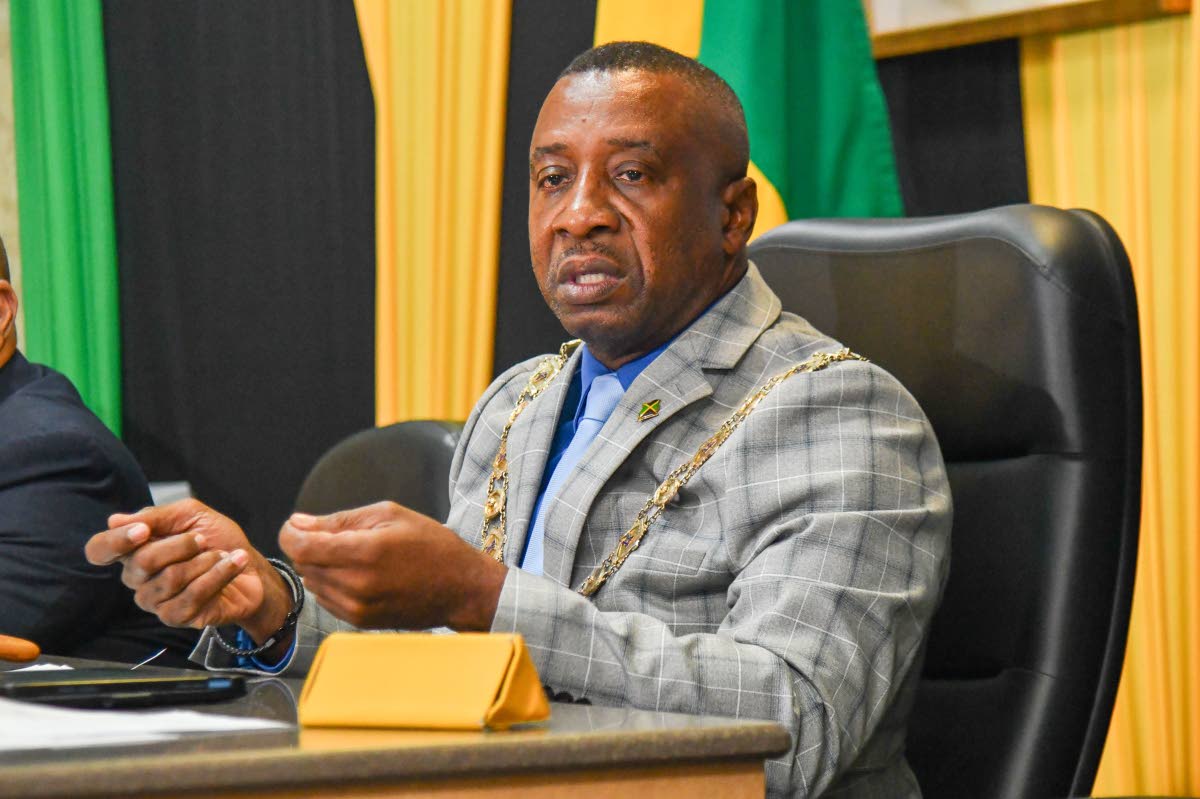 Mayor of Kingston Andrew Swaby. Photo - File
-
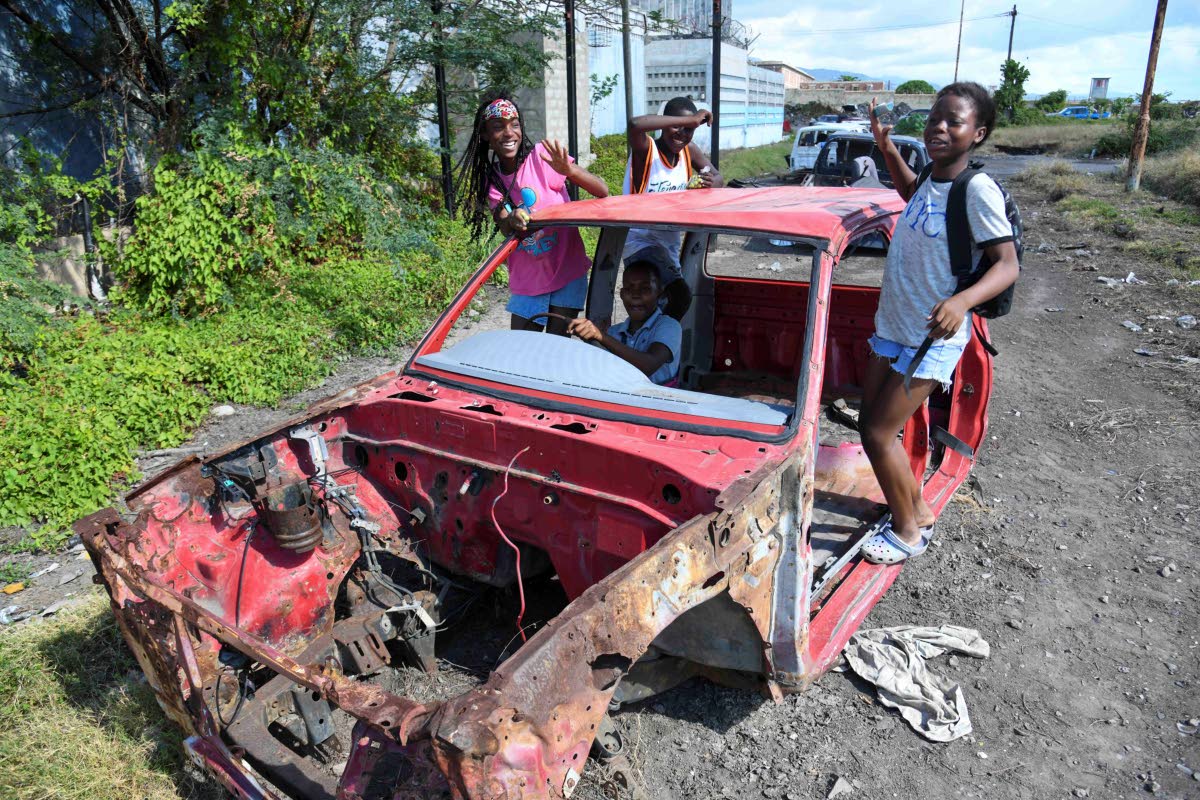 Children play in an abandoned car at the intersection of South Camp Road and Harbour Street in downtown Kingston on January 2 this year. Photo - File
More than 1,500 abandoned cars have been removed from the nation’s streets since the National Solid Waste Management Authority (NSWMA) launched its clean-up drive two years ago, reducing eyesores but leaving municipal pounds bursting at capacity.
Gleaner sources also reveal that many vehicles remain tied up in protracted police investigations and insurance claims, which frequently drag on for years.
Consequently, the operational efforts of the NSWMA and municipal corporations are hampered by these ongoing legal and bureaucratic delays.
The NSWMA’s derelict vehicle removal programme, which began in July 2024, operates across all 14 parishes and saw 1,628 vehicles taken to disposal sites as at September.
NSWMA Executive Director Audley Gordon told The Gleaner that the programme is managed by its team of public cleansing inspectors across the island in tandem with municipal councils.
“The law is that we must ticket them (owners), and having ticketed them, we have to wait a particular period of time after the expiry date, then we can then move on them,” he said.
Even as it insists on maintaining public order, the NSWMA also exercises some discretion.
“Sometimes even after the [notice’s] expiry date, we may allow another period of time because we may get contacted by somebody, an owner who, you know, would ask for a little more time to move it because they may want things off it, etc. We don’t have an adversarial posture with them. We just try to let them know that we are doing work for their benefit and for the benefit of the other residents, so we kind of just try to cooperate the best we can,” Gordon explained.
Still, he insisted that the abandoned vehicles cannot remain along public roadways without action.
“But the public must know that we are not going to allow derelict vehicles to remain on some very narrow roads ... . We’re not going to allow it indefinitely. No. And some of them have really become a health hazard, water settling in them, they’re breeding ground for mosquitoes; some of them are security hazards, man can hide in them, frighten people ..., so we not gonna tolerate that.”
Since last year, the Kingston and St Andrew Municipal Corporation (KSAMC) also operated its own derelict vehicle removal programme under the Cleaner Kingston initiative, with more than 1,000 vehicles removed to date.
Mayor Andrew Swaby said the vehicles are removed in response to concerns raised by the public.
“The corporation, through the City Inspector’s Department, responds to complaints to include derelict vehicles within the municipality. We have received requests from citizens’ association presidents; however, the majority of complaints are received directly from residents,” he told The Gleaner.
Among the communities where derelict vehicles have been removed are Hope Pastures, Mona, Cherry Gardens, Duhaney Park, Manley Meadows, Maxfield Park, Woodford Park, Irish Town, St Andrew Park, Hagley Park, Richmond Park, and Simmonds Park.
The KSAMC is hampered by space constraints at its impounding facility, but Jamaican laws dictate that seized vehicles must be kept safely intact in a municipal pound for 90 days before being deemed abandoned.
karen.madden@gleanerjm.com