Reggae pioneer Derrick Harriott dies at 87
Loading article...
-
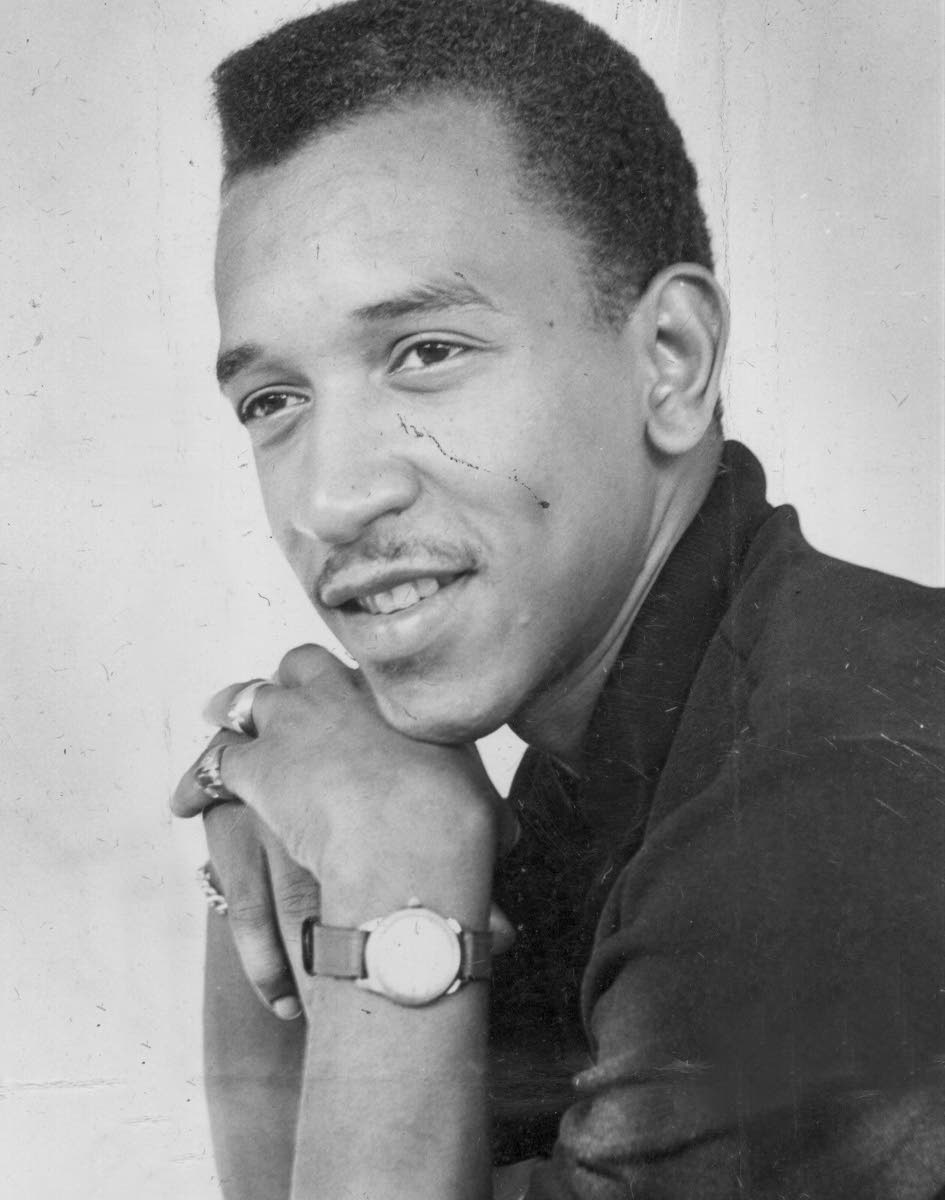 Derrick Harriott in 1965. Photo - File
-
Derrick Harriott in 1965. Photo - File
-
 Derrick Harriott helped shape the sound of early reggae music. Photo - Contributed
Derrick Harriott, the pioneering Jamaican singer, songwriter and record producer whose distinctive tenor and powerful falsetto helped define successive eras of the island’s popular music, died at home early Saturday morning. He was 87.
Dorrel Mattocks, operator of the Derrick Harriott Music Store at Twin Gates Plaza in St Andrew, confirmed the veteran musician’s death to The Sunday Gleaner, saying Harriott had been ill and in and out of hospital.
“He recently came out of hospital and was back home. When I got the call I drove straight to the house,” Mattocks said.
Born in Kingston on February 6, 1939, Harriott began his musical journey as a schoolboy before becoming one of Jamaica’s most versatile recording artistes. His career spanned ska, rocksteady and reggae, with three distinct phases — two with the vocal group The Jiving Juniors and another as a solo performer — producing hits across nearly three decades.
His ability to move between tenor and falsetto set him apart from many of his contemporaries. He could deliver the warmth of a tenor on one recording and the forceful, high-register sound of a falsetto on another, broadening his appeal across different audiences and musical styles.
SCHOOLBOY BEGINNINGS
Harriott’s earliest musical partnership grew out of his friendship with Claude Sang Jr, a fellow student at Excelsior High School. The pair, known as Sang and Harriott, shared an enthusiasm for music and would sometimes commandeer a piano from the school’s main assembly hall to practise during class time.
Their activities occasionally brought them into conflict with Harriott’s uncle, Wesley A. Powell, the school’s headmaster, popularly known as WAP. Despite issuing the boys detentions, Powell also included them in school concerts and fundraising events.
Harriott first tested his talent on the popular Vere Johns Opportunity Hour talent show in 1955, performing the American rhythm and blues song When You Dance by The Turbans. He narrowly missed the final round but returned two years later with Sang, whose singing and piano-playing complemented Harriott’s vocals. The pair subsequently enjoyed a run of victories.
Appearances on Vere Johns’ radio programme and the Bim and Bam shows helped build their profile and encouraged them to pursue recording opportunities.
Their debut, Lollipop Girl, recorded at the Stanley Motta Studio, became popular with sound-system operators and music fans. The recording featured the duo’s vocals, piano and handclaps, and helped establish Harriott as a promising young voice in Jamaican music.
When Sang left Jamaica in 1958 to study overseas, Harriott formed The Jiving Juniors. The group’s Jamaican line-up included Eugene Dwyer on bass, Maurice Wynter on tenor and comic routines, Herman Sang on piano and vocals, and Harriott on lead vocals.
The group combined vocal harmonies with humour and theatrical performances, while its recordings attracted a growing audience. Among its songs were My Heart’s Desire, Answer Me, Darling and Over the River, also known as I’ll Be Here When He Comes. The latter became a major ska hit for producer Clement ‘Coxsone’ Dodd in 1961.
Harriott migrated to New York in August 1959 at his mother’s urging but continued returning to Jamaica periodically to record. During this period, he also recorded a new version of Lollipop Girl for producer Duke Reid.
TWO JIVING JUNIORS
Harriott’s musical journey took an unusual turn when he formed a second incarnation of The Jiving Juniors in New York in 1962. Sang had also migrated there, allowing the former schoolmates to reunite.
The New York line-up included bass singer Winston Service, formerly of the Jamaican group The Downbeats, and Valmont Burke, who replaced Wynter. Like the original group, the new quartet paired harmonies with comic routines, performing at parties, clubs and graduations across New York City.
Harriott distinguished the two line-ups as the Jamaican Jiving Juniors and the New York Jiving Juniors. Although the personnel differed, both groups retained a recognisable sound, and Harriott recorded hits with each.
In New York, the group recorded at Mirasound Studios with its studio band and saxophonist Buddy Lucas. Two notable recordings were Dandy and Don’t Treat Me Bad. Harriott used his falsetto on Dandy and his tenor on Don’t Treat Me Bad, illustrating the vocal range that would become a defining feature of his career.
A SOLO FORCE
Harriott’s solo career developed alongside his work with the groups. I Care, released around 1961–62, was his first solo recording and showcased his tenor voice.
He went on to record a succession of songs using that register, including Solomon, Do I Worry, Been So Long, Walk the Streets, Have Faith in Me, Close to Me, I’m Only Human and Skin to Skin.
His falsetto opened another avenue to success. Songs such as What Can I Do, Sugar Dandy and My Three Loves reached the charts, with Sugar Dandy particularly demonstrating the strength and intensity he could bring to the high register.
Harriott’s career extended beyond performing. He became an influential producer, releasing music through his Crystal label, which he launched in 1962, and working with artistes across Jamaica’s evolving musical landscape.
His production work included recordings associated with Dennis Brown, Big Youth, The Ethiopians, Keith & Tex and The Kingstonians. His sessions at King Tubby’s studio also placed him within the creative network that helped develop Jamaica’s distinctive recording and production culture.
Across ska, rocksteady and reggae, Harriott moved between singing, songwriting and production, contributing to the careers of other artistes while maintaining his own catalogue of hits.
His contribution to Jamaican music was recognised with membership in the Order of Distinction in 2009 and the Jamaica Reggae Industry Association’s Lifetime Achievement Award in 2019.
Harriott leaves behind a musical legacy built not only on the longevity of his career but also on his unusual ability to reinvent himself — first as a schoolboy performer, then as a member of two versions of The Jiving Juniors, and finally as a solo star and producer whose recordings reached generations of Jamaican music fans.
editorial@gleanerjm.com