Holness defends parliamentary questions procedure amid Paulwell criticism
Loading article...
-
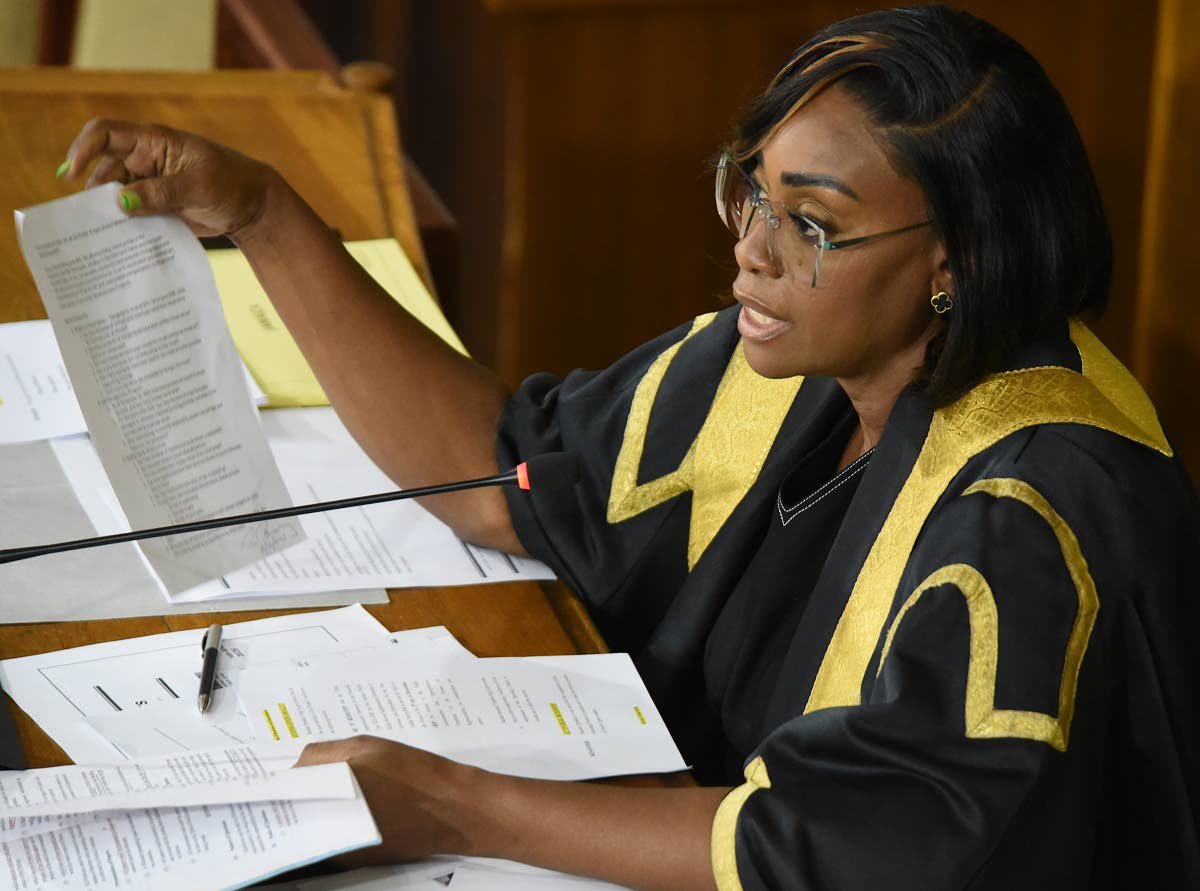 Speaker of the House of Representatives, Juliet Holness. Photo - File
-
Speaker of the House of Representatives, Juliet Holness. Photo - File
-
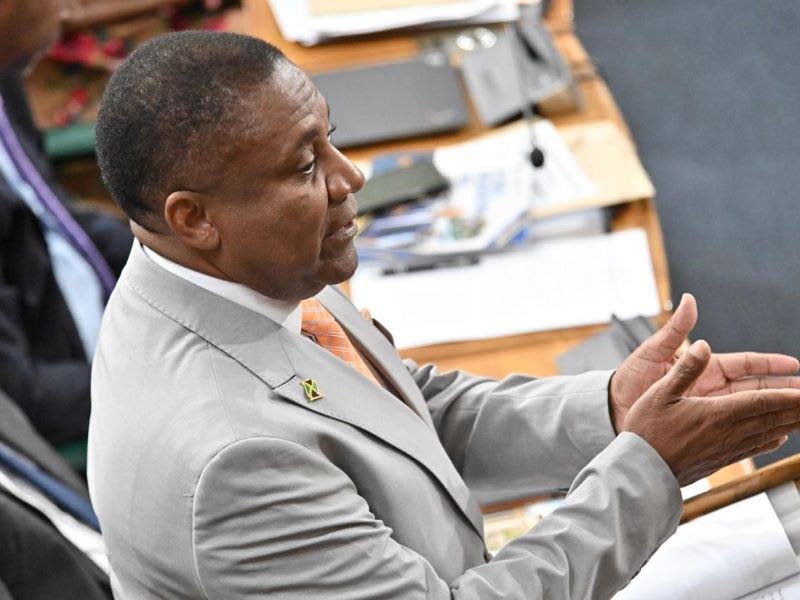 Phillip Paulwell. Photo - Rudolph Brown
House Speaker Juliet Holness has pushed back against criticism from Leader of Opposition Business Phillip Paulwell over the non-tabling of questions submitted by Opposition members, insisting that she is acting in accordance with parliamentary procedures established last year.
In a statement on Thursday, Holness said the procedure governing the submission and tabling of parliamentary questions was not new, but had been established through a ruling on December 2, 2025, and reaffirmed on July 14, 2026.
Her clarification followed correspondence from Paulwell dated October 8 and public commentary surrounding questions submitted by him and Opposition Member of Parliament Peter Bunting that were not tabled at the October 6 sitting of the House of Representatives.
Paulwell has argued that the approach represents a departure from longstanding practice and could undermine the Opposition's ability to hold the Government accountable.
However, Holness said the procedure requires members to formally submit signed questions to the Clerk at the Table during the designated Questions and Answers period, after which they are examined by the Speaker before being tabled.
She cited Standing Order 15(2), which provides for the submission of parliamentary questions, and Standing Order 16(2), which empowers the Speaker to examine questions for compliance with the Standing Orders, determine their admissibility and direct any necessary amendments.
“Accordingly, Standing Order 15(2) does not guarantee same-day tabling,” Holness said, quoting her December 2025 ruling.
She added that the procedure had taken immediate effect at the time and was reaffirmed in July.
The House Speaker acknowledged that members could send draft questions electronically before a sitting to facilitate preliminary examination and receive procedural guidance.
However, she said this did not amount to formal submission or guarantee that the questions would be tabled.
“The informal transmission of a draft does not constitute formal notice or create an entitlement to publication,” she said, quoting the July ruling.
Holness stressed that submitting a question and having it accepted for tabling were separate procedural steps.
She also rejected the suggestion that the procedure automatically required questions to be delayed until an additional sitting, saying questions should be tabled after formal submission and the completion of her examination, once they were found to comply with the Standing Orders.
“The absence of a minimum waiting period under Standing Order 15(2) does not extinguish the Speaker’s express responsibility under Standing Order 16(2),” she said.
Holness maintained that the procedure applied equally to Government and Opposition members and preserved the provision for questions permitted without notice under Standing Order 15(1).
She said she remained committed to ensuring that parliamentary questions were examined promptly, fairly and without unnecessary delay, while upholding the rules governing the House.
“The Speaker will continue to uphold the Standing Orders impartially while safeguarding Members’ rights, parliamentary accountability and the orderly functioning of the House,” she said.
In his statement on Wednesday, Paulwell said the Opposition was concerned that the Speaker’s approach had introduced a new requirement for questions submitted by Opposition members.
He said that at the October 6 sitting, questions submitted by him and Bunting were not tabled, and the members were advised that they would have to await the next sitting.
Paulwell asserted that the established practice had been for the Opposition to submit questions to the Speaker and the Clerk on the day before a sitting, for consideration and tabling at the next sitting.
While acknowledging the Speaker’s authority to determine whether questions were in order, he argued that Standing Order 15(2) did not prescribe a minimum period that had to elapse before a question could be tabled.
He warned that additional delays, followed by the time allowed for ministers to respond, could undermine the effectiveness of the process and the Opposition’s ability to scrutinise the Executive.
Paulwell formally requested clarification of the basis for the procedure and a reconsideration of the approach.
Among the questions affected are three he intends to direct to the Minister of Energy, Transport and Telecommunications concerning the last tender for utility-scale renewable energy, the outcome of that tender and when another tender will be issued.
Paulwell said the issues were matters of significant public interest, with implications for Jamaica’s energy security, electricity costs and renewable energy targets.
Follow The Gleaner on X, formerly Twitter, and Instagram @JamaicaGleaner and on Facebook @GleanerJamaica. Send us a message on WhatsApp at 1-876-499-0169 or email us at onlinefeedback@gleanerjm.com or editors@gleanerjm.com.