Golding’s Diaspora integration plan rebuffed as ‘farfetched’
Loading article...
-
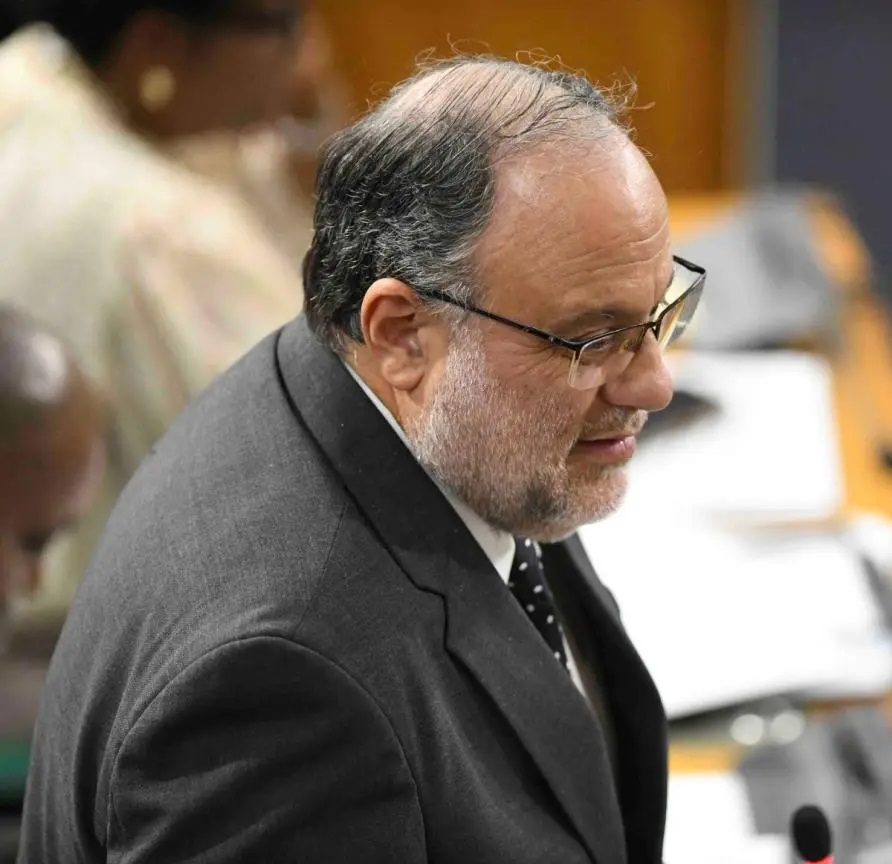
Opposition Leader Mark Golding
-

Political commentator Lloyd B Smith
Opposition Leader Mark Golding’s recommendation for the Jamaican Diaspora to be integrated into the country’s governance structure has been dismissed as “farfetched” by political commentator Lloyd B. Smith, who insists that focus should instead be placed on developing local talent.
“The fact of the matter is that the diaspora is, for all intents and purposes, outside of the Jamaican sphere of governance,” Smith told The Gleaner yesterday.
He also contended that Jamaica has the human resources locally, but people are sidelined because of “the divisiveness in our politics and lack of vision in terms of the politics of inclusiveness rather than the politics of exclusiveness”.
“Concentration should be on developing local talent and getting people more involved in our communities and our citizens association, in our NGOs, in our civil society groupings. We need to focus more on those entities because they are here,” he said.
While addressing the 11th Biennial Jamaica Diaspora Conference in Montego Bay, St James, on Wednesday, Golding called for the formal integration of the diaspora into the nation’s governance structure, arguing that their expertise and resources should be harnessed at the highest levels of decision-making, including serving on boards.
The leader of the People’s National Party also argued that Jamaica should move beyond viewing the diaspora solely as contributors from afar and instead treat them as partners in shaping national policy, institutional oversight, and development planning.
“I would encourage mechanisms to be established to facilitate your presence and participation on public boards in the country,” Golding said.
“There are over 100 of them (public boards), and they cover a wide array of very important activities. This is a way you can contribute to the governance of the nation without the need for any new legislative arrangements,” he added.
Smith, however, believes that this idea is not one that should be supported “without giving further consideration and due diligence”.
“I don't know if having them serving on our boards here is going to serve any useful purpose because in the final analysis, they have one foot in and one foot out. So, I really don't see it as a step in the right direction,” he stated.
He said the diaspora should continue doing what it has always done — investing in the country.
“Both in terms of creating opportunities for businesses and industry and so on, and also mentorship in terms of assisting our own local entrepreneurs and so on to be able to enter the international market space,” he said.
Over the years, discussions have continued about the formal inclusion of diaspora members in the decision-making structure of the State beyond traditional investment and remittance channels.
The PNP, in its 2025 election manifesto, indicated that it would establish a national people’s assembly which would include diaspora representatives to review laws and shape policies impacting local communities.
Smith maintains that while proposals like these may sound “attractive on the surface”, they present a number of issues when placed under closer scrutiny.
“When you begin to drill it down it will come with a number of logistical problems and so on and so forth and these persons serving on our boards, how will they be governed? How (and) to what extent will they be ethically held accountable for what decision-making process they're involved in; and the extent to which there is any fiduciary responsibility and so on,” he said.
sashana.small@gleanerjm.com