Jamaica’s lost treasure
Loading article...
-
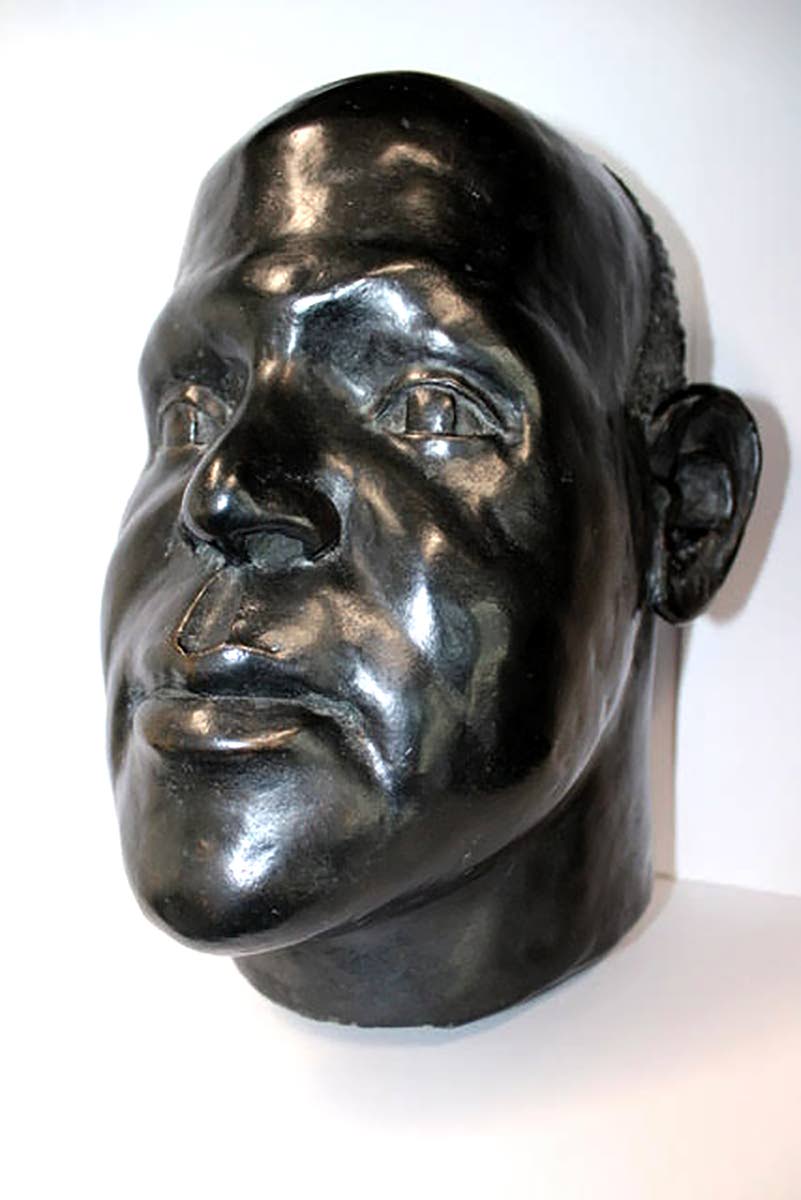 Bronze bust of Ronald Moody
-
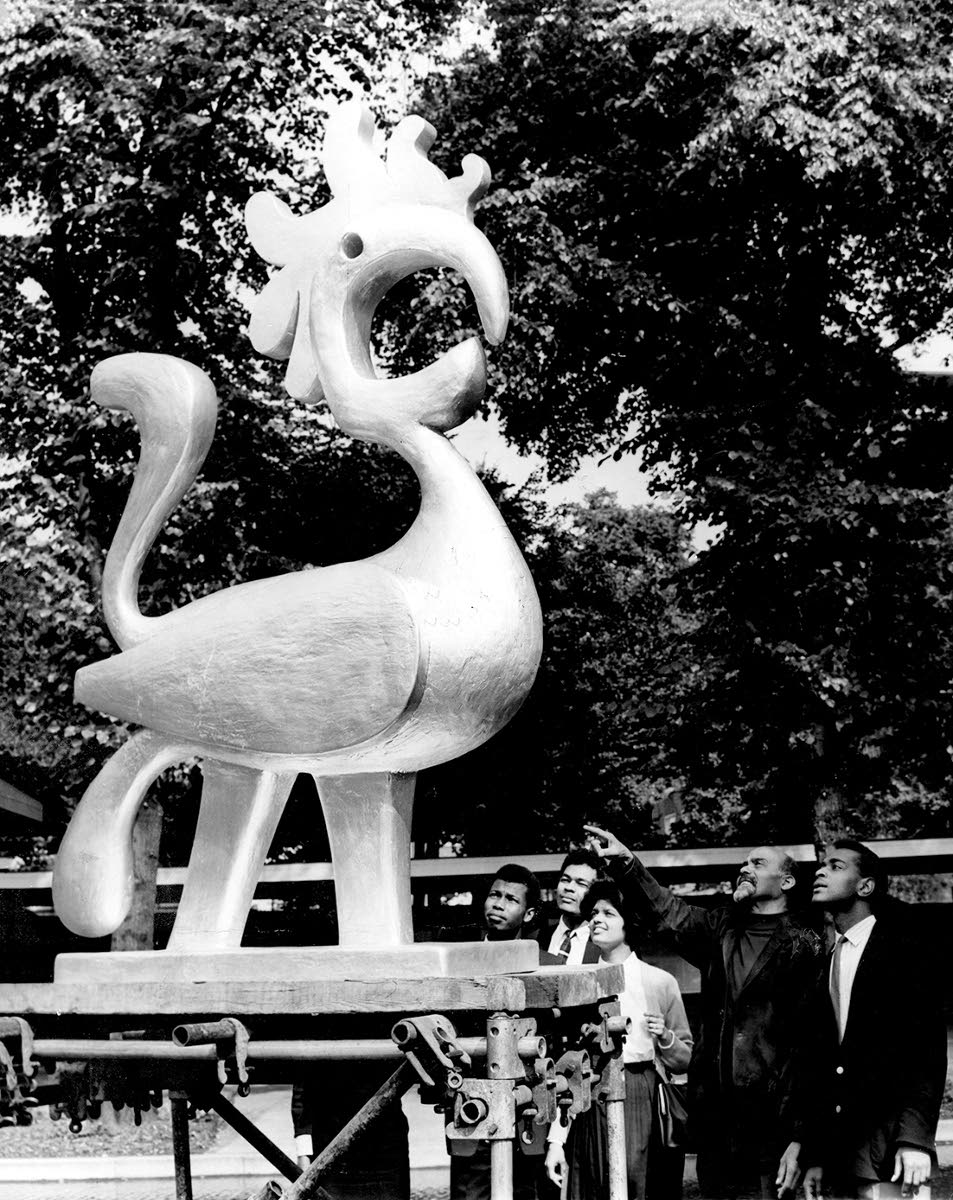 Jamaican sculptor Ronald Moody showing overseas visitors his sculpture of the mythical “Savacou” bird when it was on show on the grounds of the Commonwealth Institute in London.
-
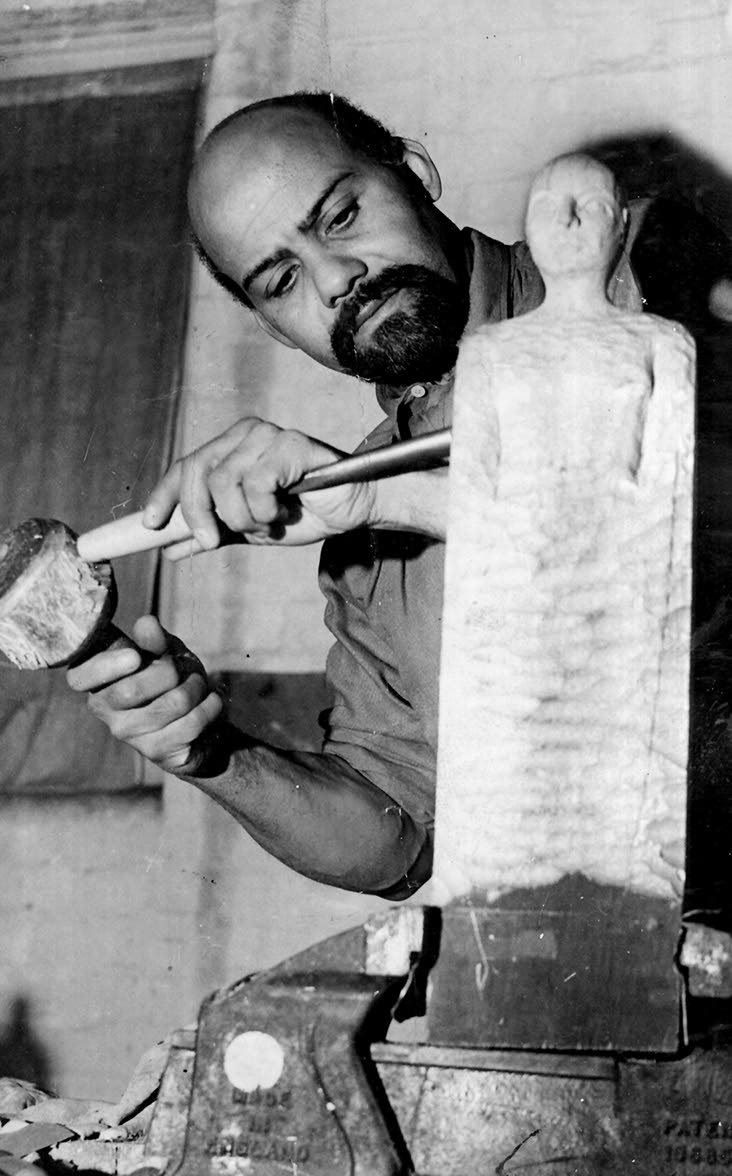 A JAMAICAN ARTIST IN LONDON. Completed by Mr. Ronald Moody in his Paris studio just before the German invasion, a fine carving is to be placed in the Library of the new Colonial Office when it is built on the site of the old Westminster Hospital.
-
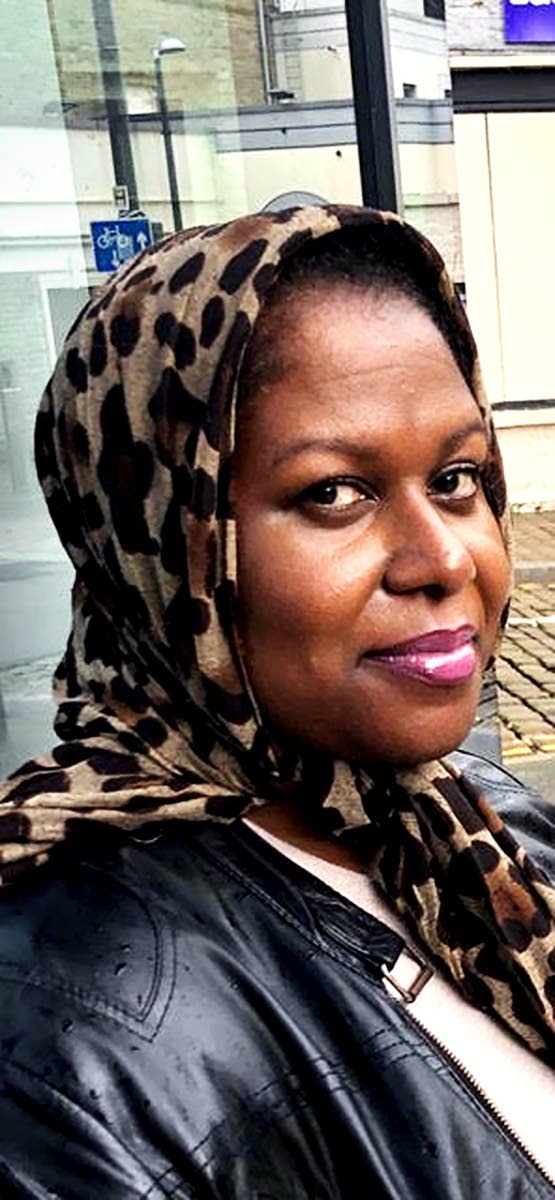 Reddie
If you have ever visited the Mona campus of The University of the West Indies in Jamaica, you may have seen the striking Savacou sculpture. The statue, which towers over seven feet and depicts the revered bird-god from Caribbean Taino mythology, was created by the Jamaica-born, internationally celebrated sculptor, Ronald Moody.
Despite his extraordinary talent, Ronald Moody is often regarded as Jamaica’s “lost treasure”. By contrast, his older brother, Dr Harold Moody, continues to receive widespread recognition, particularly during Black History Month, and within the London Borough of Southwark.
The elder Moody was a general practitioner in Peckham, southeast London, and combined his medical practice with an influential civil rights role, founding the League of Coloured People in 1931. His legacy is formally commemorated with a prestigious English Heritage plaque at his former home in south London.
EARLY LIFE
Ronald Clive Moody was born in Kingston, Jamaica in 1900 into a prominent middle-class family. He was one of several children, and attended the respected Calabar College where he excelled in art, English, music, and sports, even winning the Jamaica Football Association medal.
In 1923, he travelled to the UK on the RMSP Oriana to study dentistry at King’s College, London. Although he had considered pursuing the arts, he followed his other brother, Charles, into dentistry. He completed his dentistry studies by 1930, and began practising in Marylebone, London. However, his passion for art did not dissipate, and visits to the British Museum, particularly the Egyptian gallery, inspired him to start sculpting, experimenting with the plasticine and plaster of Paris he knew from dentistry.
PARISIAN YEARS
Between 1935 and 1941, Moody produced roughly 40 sculptures in wood and bronze, exhibiting in London, Paris, and Amsterdam. His first exhibition, Negro Art at Adams Gallery, Pall Mall, London in 1935, included his oak head Wohin (Where), named after a work by the noted Austrian composer, Franz Schubert.
Despite his talent, press coverage largely ignored Moody, though the noted British writer, Marie Seton, purchased Wohin, beginning a lasting friendship. Moody travelled to Paris in 1938, and married Helene Coppel Cowan, an artist he had known for nearly a decade. This promising start was interrupted by World War II the following year, forcing the couple to flee occupied France.
In 1939 he exhibited 12 sculptures in the Contemporary Negro Art exhibition at the Baltimore Museum of Art, USA. Among them was Mindonz, conceived as the “goddess of transmutation”, embodying transformation and evolution. Decades later, thanks to his niece, Cynthia Moody, Mindonz was finally returned from the museum’s storage vaults after Moody’s death, underscoring the challenge black artists face: works are often hidden, limiting their public recognition, hampering academic research and limiting a cohesive understanding of the artist’s full contribution.
CULTURAL INFLUENCE
In the 1940s, Moody battled bouts of ill health, such as tuberculosis, which left him too weak to carve large-scale sculptures. He subsequently explored writing and broadcasting, and reunited with fellow Jamaican, Una Marson, the BBC broadcaster-writer-activist, then heading the programme Calling the West Indies. Moody wrote and presented programmes on art and culture, connecting Caribbean soldiers abroad with listeners in the Caribbean.
In 1967, he joined the Caribbean Artists Movement, mentoring and influencing figures such as John La Rose, Andrew Salkey, and Edward Kamau Brathwaite. The movement even named its publication after his sculpture, Savacou, reflecting his artistic vision and cultural significance.
The Invisible Man of Modernism
Despite being a contemporary of world-famous sculptors, Dame Barbara Hepworth, Sir Henry Moore, and Sir Jacob Epstein, Moody did not receive comparable recognition in the British art world. While celebrated in Jamaica with the Musgrave Gold Medal (1977) and Centenary Medal (1980) from the Institute of Jamaica, in the UK he remained somewhat invisible.
Moody’s work transcended easy categorisation. His visual vocabulary drew from Caribbean heritage, African diasporic consciousness, Asian philosophies, and metaphysical explorations. He operated largely outside institutional structures, and challenged assumptions about the ‘modernist’ cultural movement, proposing a more expansive, inclusive artistic discourse. Moreover, he integrated his Jamaican upbringing, with his experiences in England, to create a unique synthesis that enriched his work.
However, Moody’s reputation extended far beyond the Caribbean and Britain. His 1946 sculpture, Three Heads (in wood) was the sole contemporary work in the first Prime Minister of India, Jawaharlal Nehru’s, collection of classical Buddhist figures. Nehru recognised and affirmed Moody’s innovative approach and the cross-cultural resonance of his art.
Legacy
Ronald Moody’s legacy is one of brilliance intertwined with relative invisibility. His sculptures informed by diverse cultural, spiritual and philosophical sources, challenge conventional narratives of 20th-century modernism. Jamaica may have claimed him as a treasure, but globally, his work still invites rediscovery and celebration.
It is time for Ronald Moody to be awarded a Blue Plaque to acknowledge his contribution to the world of sculpture. English Heritage can be contacted to propose future recipients of plaques, blue.plaques@english-heritage.org.uk
Lily Reddie, is a qualified curator who holds a master of arts in curating and collections from Chelsea College, University of the Arts (UAL). She works in Library & Heritage within The London Borough of Southwark.