Runkus aiming to break reggae’s limit barrier
Loading article...
-
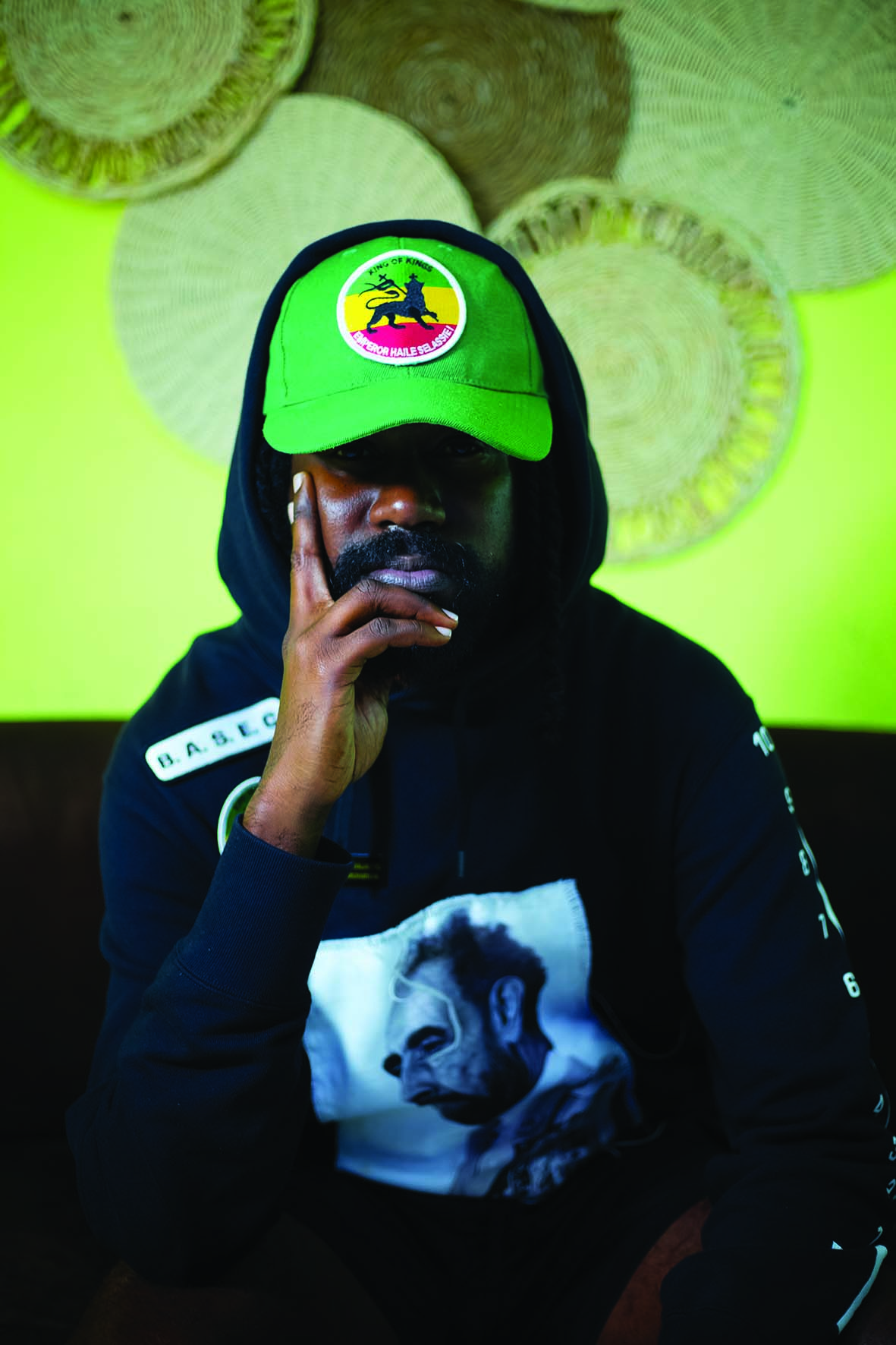
Runkus says ‘SUPERNOVA’ represents his mission to push Jamaican music beyond traditional genre boundaries.
-
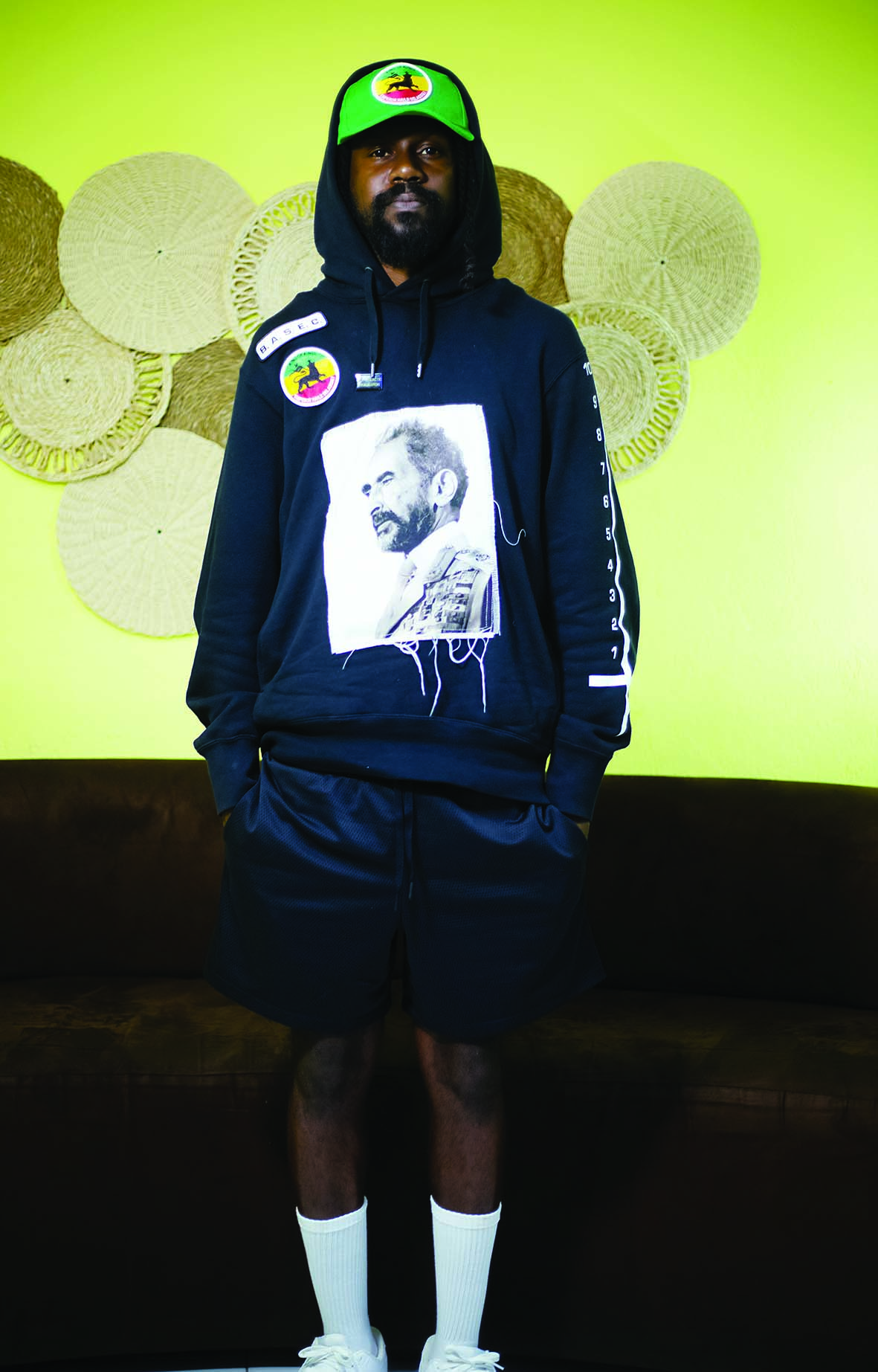
Runkus believes Jamaican music should stand alongside global acts like Kendrick Lamar, Drake, and Tyler, the Creator on the world stage.
-
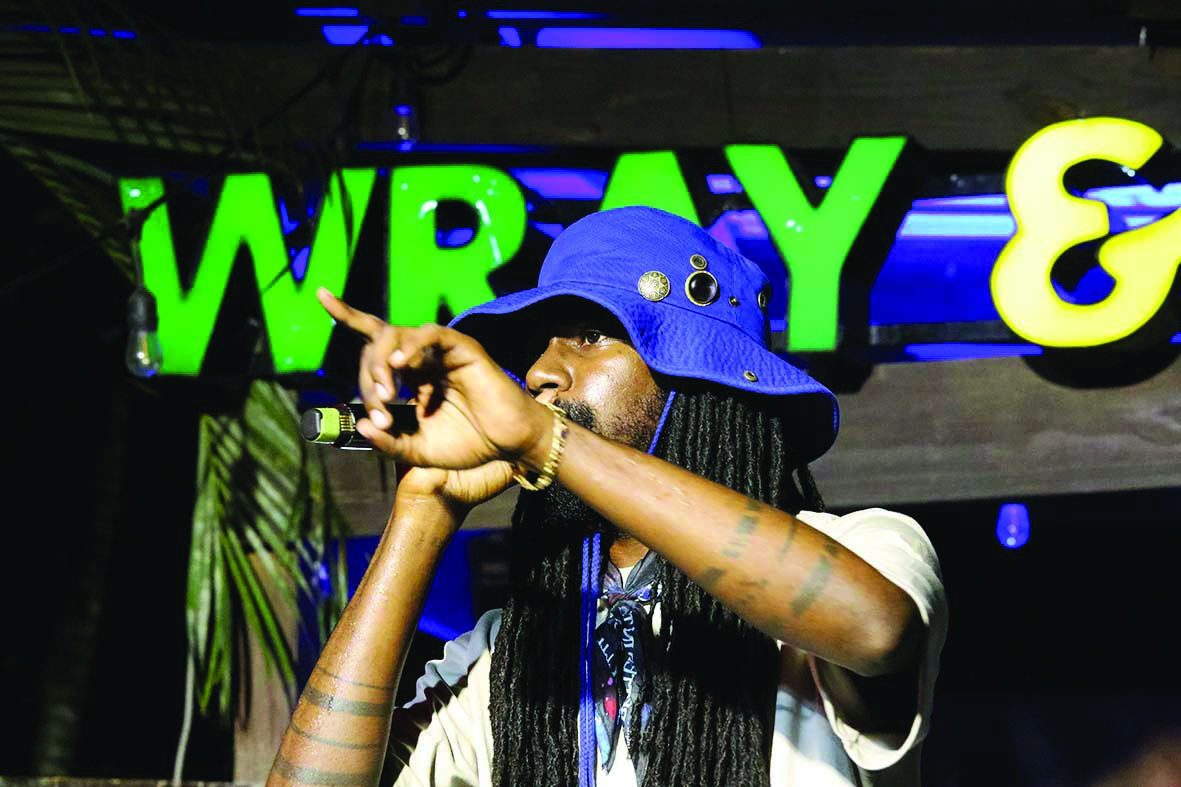
Runkus has been a promising player in Jamaica’s music conversation since his debut trilogy album MOVE:IN, IN:SIDE and OUT:SIDE. But with his new album, SUPERNOVA, the artiste shows no interest in fitting inside any category at all.
Built from more than 170 songs and shaped by visual art exhibitions in Germany, old soul samples, and an obsessive attention to sound design, SUPERNOVA feels less like a conventional reggae project and more like an attempt to stretch the genre’s possibilities outward.
In an interview with The Sunday Gleaner, Runkus talked about music the way architects speak about space — as something to be expanded, rebuilt, and reimagined. While reggae has historically been boxed into nostalgia, niche markets, and rigid expectations, he believes that Jamaican music should be able to stand shoulder-to-shoulder with the biggest contemporary acts in the world. “Why aim for the ceiling?” he asks. “Above the ceiling is another floor… I’m trying to break the whole limit barrier of what the music can do.”
Released on May 1, the 13-track SUPERNOVA features artistes such as Sean Paul and even samples Peter Tosh. Like its author, this body of work is ambitious on a scale that becomes clearer when its origin is revealed. According to Runkus, this album took root through collaboration with a Bahamian-born, New York–based multidisciplinary visual artist, Tavares Strachan.
Strachan, whose work has appeared at major international museums, is known for sprawling installations that explore history, science, and mythology. The calibre of artists and artistes orbiting the album is a clear indication of the artistic movement Runkus finds himself drawn to. “We’ve been working on exhibitions, meaning I’ve been scoring his galleries and exhibitions,” Runkus explained. “We had the divine inspiration to do an album that is mirrored with a gallery exhibition.”
The album, though brief, luxuriously shifts between reggae, soul, pop, and more experimental hues in an effort to place Jamaican music inside a broader contemporary art conversation. Referencing, which is typically a feature in the academic, art, and sound system worlds, is a heavy component of SUPERNOVA. Old soul melodies, reggae cadences, and archival recordings appear and reappear on the album like footnotes in a larger conversation.
The references don’t just feel like homage, but also an active study with fragments of a musical history carried forward into a new context. The instinct to weave these different worlds together comes from an earlier time in his life, according to Runkus. “I’m a ‘90s baby who wishes I could have time-travelled,” he said. “I wish I could have done studio with Dennis Brown… Because I can’t go back in time, I just mentally time-travel by trying to create what I think that person would do,” he explained. “So I’m going to say it in a new way.”
The expansive relationship with different genres sits at the centre of Runkus’ ambition for both himself and reggae music overall. Many modern reggae artistes still operate inside rigid genre expectations, but with SUPERNOVA, it is clear that Runkus sees himself as occupying the same contemporary global space as pop and hip-hop’s biggest acts. “I’d like to compete at the world stage with my music against Kendrick [Lamar], against Drake, against Tyler, the Creator,” he said. “I don’t see their music as better than Jamaican music.”
Standout tracks like PLEASE DON’T COME TO MARS, EVERY GHETTO YOUTH IS A STAR, and 3310 could easily be compared to one of Lamar’s heady two-toned tracks or one of Drake’s groovy chart toppers. In many ways, SUPERNOVA feels less like a final destination and more like the opening chapter of a larger artistic statement. The album is restless, searching, and deeply intentional in its refusal to remain confined by genre expectations or nostalgia. At a time when reggae is often discussed in terms of preservation, Runkus is more interested in expansion. The ambition is there. The technical skill is there. But most importantly, the imagination is there. And perhaps that willingness to imagine Jamaican music beyond its existing borders is what makes SUPERNOVA feel so important.
See video online.
CAPTIONS
Runkus22052026GT00001: Runkus says ‘SUPERNOVA’ represents his mission to push Jamaican music beyond traditional genre boundaries.
RunkusPerformance22052026GT: Built from more than 170 songs, ‘SUPERNOVA’ marks one of Runkus’ most ambitious projects to date.
Runkus22052026GT00002: Runkus believes Jamaican music should stand alongside global acts like Kendrick Lamar, Drake, and Tyler, the Creator on the world stage.