Flood of woes for Portland raft captains - River guides face fight for survival as floods, financial hardship drive them away
Loading article...
-
 Lawrence Chisolm, president of the Raft Captains Association at Rio Grande Rafting in Portland. Photo - Photo by Gareth Davis Sr
-
Lawrence Chisolm, president of the Raft Captains Association at Rio Grande Rafting in Portland. Photo - Photo by Gareth Davis Sr
-
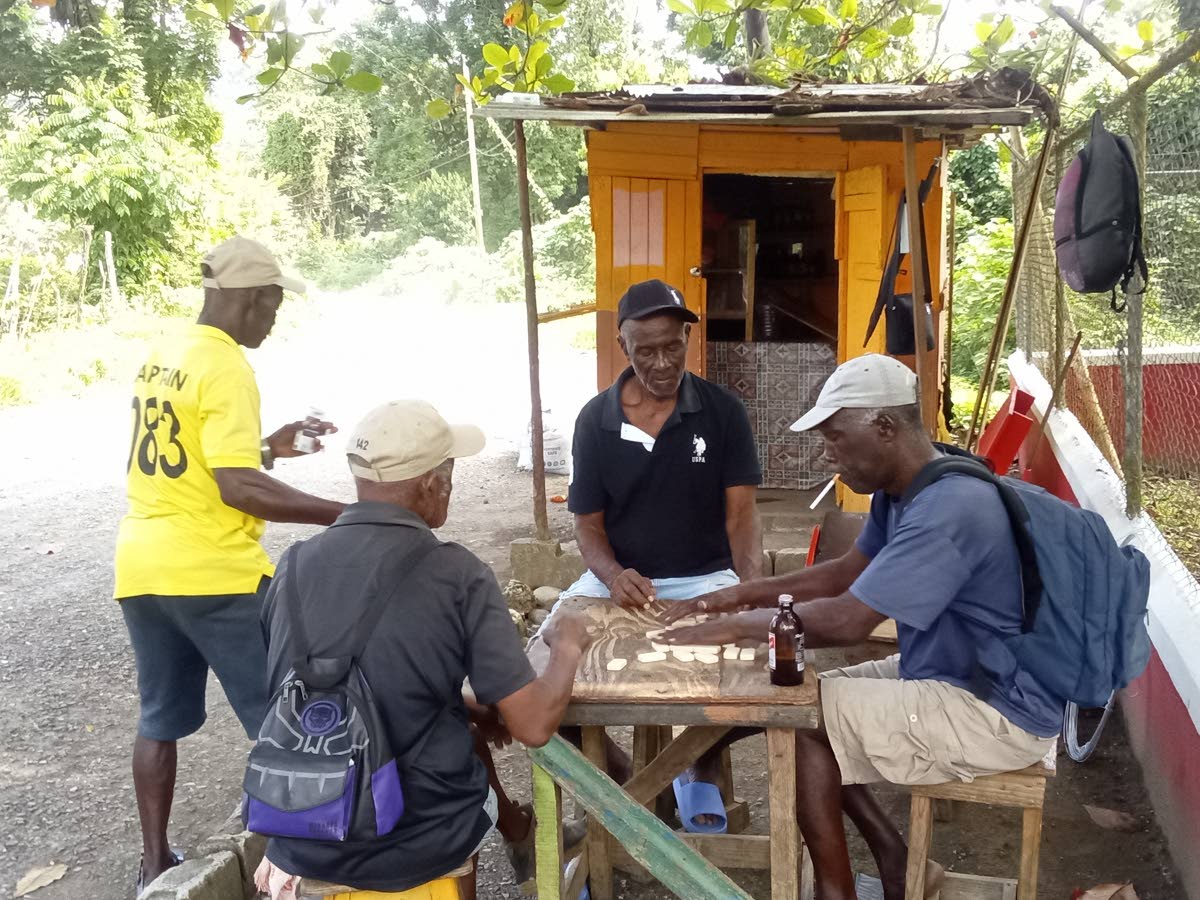 Raft captains playing dominoes in Berrydale, Portland. Photo - Photo by Gareth Davis Sr
-
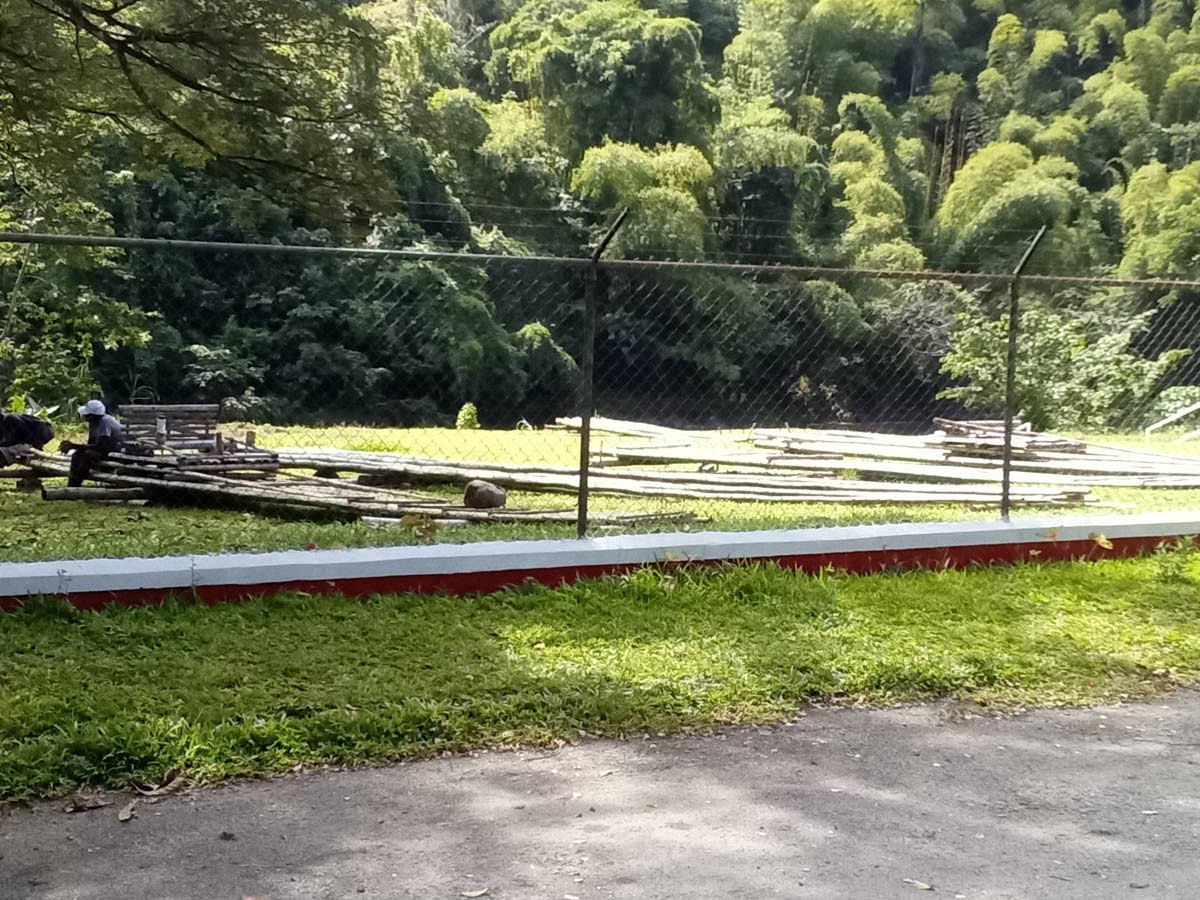 Bamboo rafts currently under construction on the lawns at the raft stand in Berrydale. Photo - Photo by Gareth Davis Sr
BERRYDALE, Portland:
One of Jamaica’s oldest and most iconic tourism attractions is facing an uncertain future, as repeated flooding, mounting financial losses and a lack of meaningful support threaten to push Rio Grande raft captains out of an industry that has sustained generations of families.
For the men who have spent decades navigating the historic Rio Grande in Portland, rebuilding their rafts after successive natural disasters has become an increasingly expensive struggle, with some now questioning whether they can afford to remain in the livelihood.
President of the Raft Captains Association assigned to Rio Grande Rafting in Berrydale, Portland, Lawrence Chisolm, says the industry is experiencing a steady decline in manpower, with the number of active raft captains falling to what he describes as an all-time low.
“Right now, we only have about 65 raft captains that are still assigned to Rio Grande Rafting. And this figure is going down rather quickly,” said the concerned Chisolm.
The situation, he explained, has been compounded by a series of devastating weather events, which have repeatedly destroyed the rafts on which the operators depend to earn a living.
“After Hurricane Melissa in October last year, all our raft were either washed away or destroyed and we had to rebuild from scratch. Shortly after, in January 2026, we suffered a similar loss due to flood rains. And about two weeks ago, we were again hard-hit by flood rains,” he told The Gleaner last week.
“On all three occasions, we have [had] to beg or borrow money to rebuild our rafts, which is very difficult. Without help from the Ministry of Tourism or even TPDCo (Tourism Product Development Company – operators of Rio Grande Rafting), it is becoming a challenge for us to rebuild,” he added.
For each raft captain, recovering from such losses comes at a significant personal cost.
Chisolm estimates that rebuilding a single raft requires a minimum investment of $25,000, including $8,000 for 12 bamboo poles and another $17,000 for construction.
While a few experienced operators may be capable of constructing their own rafts, those without the necessary skills must shoulder the entire expense, adding another layer of financial pressure to an already vulnerable group of tourism workers.
LITTLE FINANCIAL ASSISTANCE
With repeated losses and little financial assistance, Chisolm fears the industry is gradually losing the very people responsible for keeping the attraction alive.
“And so without help, we are left to fend for ourselves after every disaster. Under the current conditions, many raft captains have left and there are no new ones coming in to replace them,” he said.
“The Tourism Workers Pension Scheme initiated by [Tourism Minister Edmund] Bartlett will not benefit any of us, as 99.9 per cent of us are above the age of 59 years and one has to be below 59 years to benefit,” he added, outlining another concern.
“And so many of our members are leaving and taking up new occupations. We are not getting any help from the industry and after retirement, there are no benefits for any of us. I have been involved in rafting for more than 35 years and I have seen colleagues, who experienced rough times and ill health, suffer and die without getting a penny to pay their medical bills. This is a dying industry and it needs a miracle to survive,” he concluded.
The concerns expose what Chisolm considers a significant gap in the social protection available to older tourism workers, many of whom have spent their working lives contributing to Jamaica’s tourism product but face retirement without adequate financial security.
Jamaica’s Tourism Workers Pension Scheme (TWPS), established under the Tourism Workers Pension Act of 2019, is a defined contribution pension plan supported by a J$1-billion government grant. The scheme is open to tourism workers between the ages of 18 and 59 who have been resident in Jamaica for at least six months.
Chisolm and his colleagues are appealing to the Ministry of Tourism to intervene, arguing that without targeted assistance, the future of Rio Grande Rafting could be placed in further jeopardy.
The rafting industry dates back to 1911 and is widely associated with the early development of tourism in Jamaica.
editorial@gleanerjm.com