Sickle cell not a race-specific disease
Loading article...
-
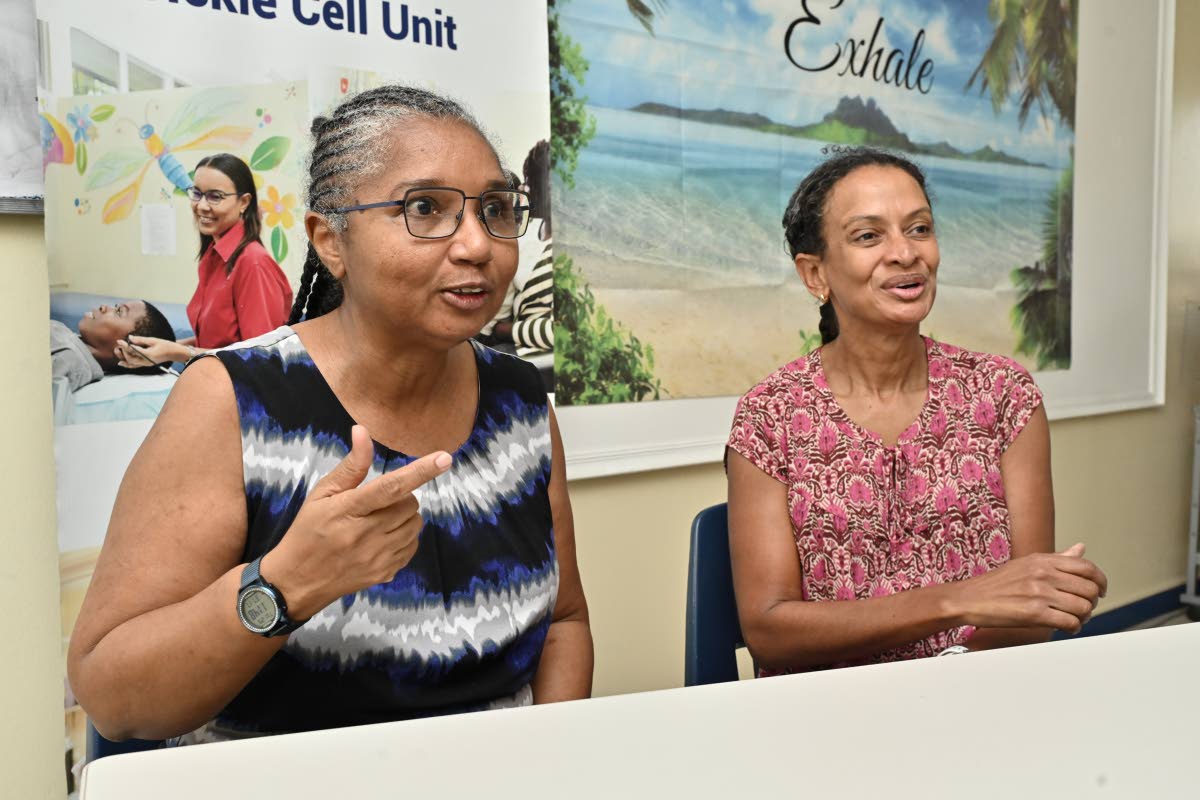 Professor Jennifer Knight Madden (left) and Dr Lesley King during an interview with The Sunday Gleaner at the Sickle Cell Unit. Photo - Rudolph Brown/Photographer
-
Professor Jennifer Knight Madden (left) and Dr Lesley King during an interview with The Sunday Gleaner at the Sickle Cell Unit. Photo - Rudolph Brown/Photographer
-
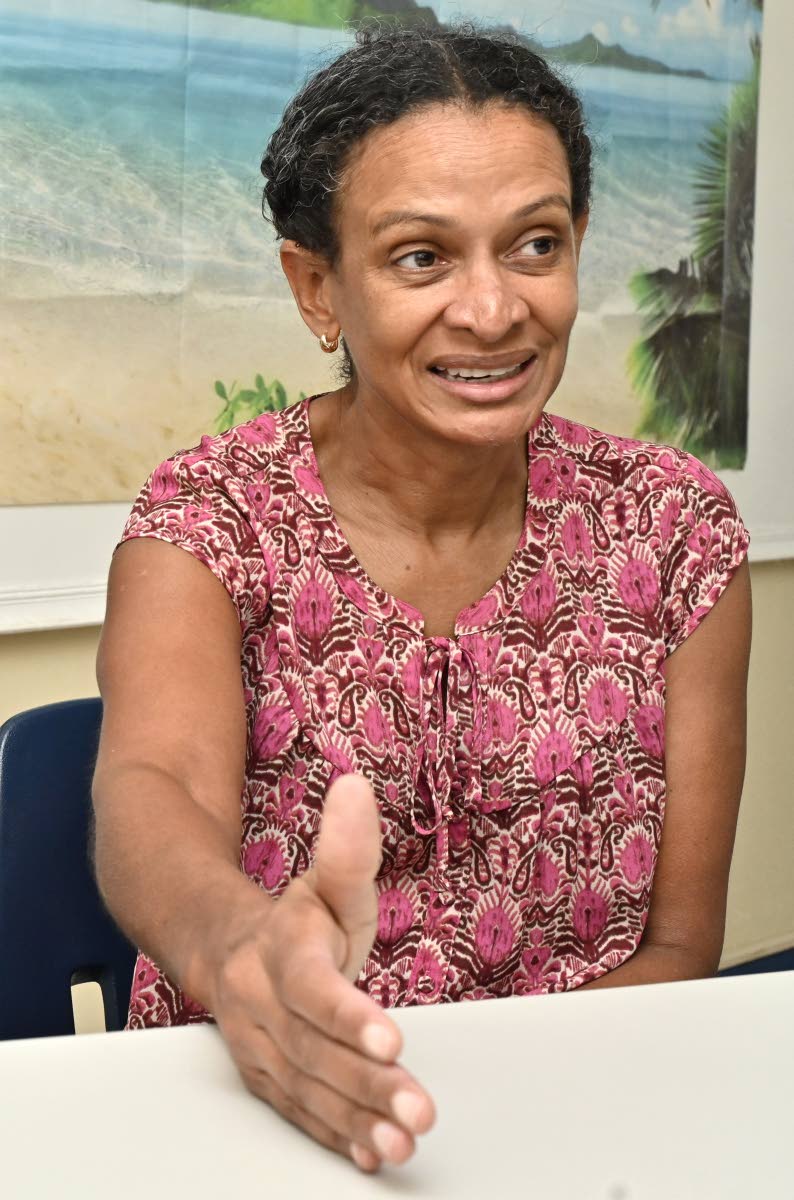 Dr Lesley King speaking with The Sunday Gleaner during an interview at the Sickle Cell Unit at the Mona Campus of The University of the West Indies. Photo - Rudolph Brown/Photographer
-
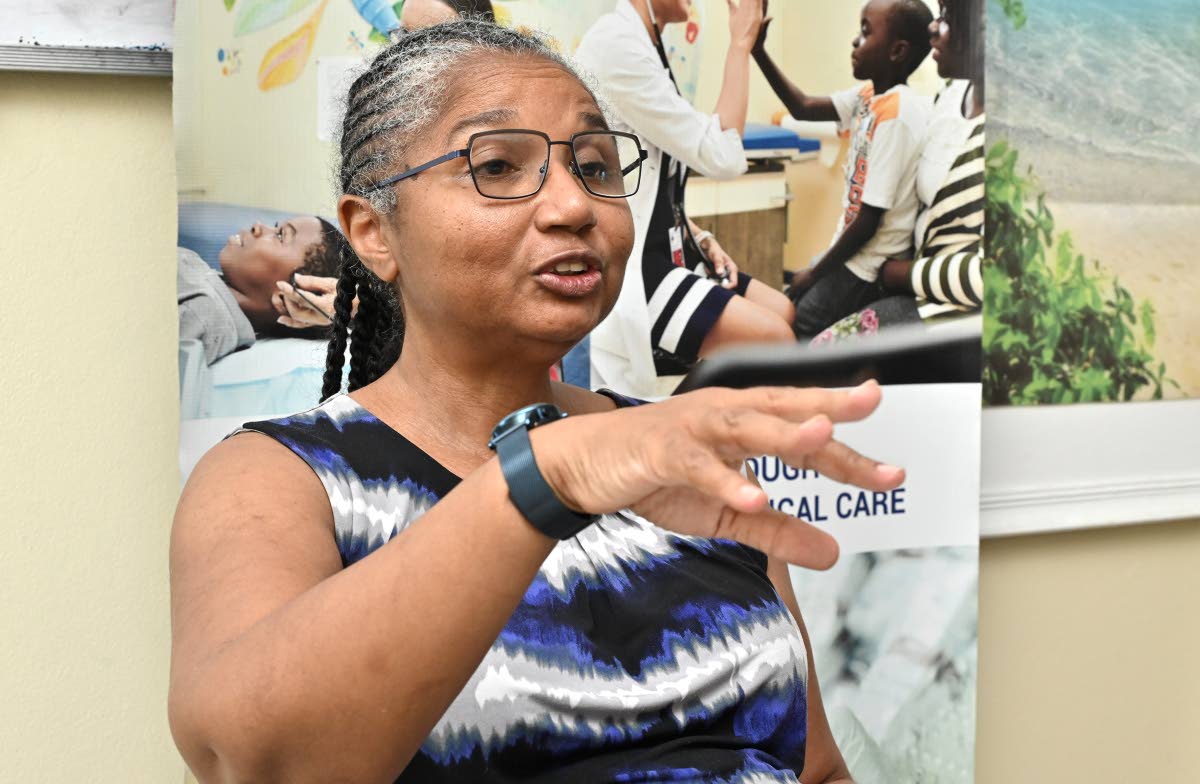 Professor Jennifer Knight Madden at the Sickle Cell Unit. Photo - Rudolph Brown/Photographer
Sickle cell disease is a genetic disorder that affects people of all races. Although it occurs predominantly in sub-Saharan Africa and is prevalent in Jamaica, it is not exclusive to people of African descent, according to medical experts researching, diagnosing and treating the disease locally.
Jamaica, with its motto, ‘Out of Many, One People’, and its history of racial mixing, has several types of sickle cell disease, including those associated with genes common in Mediterranean populations. Migration, resettlement, travel and relationships between people of different backgrounds have contributed to the presence of different sickle cell genotypes in the population.
According to the experts, 50 to 80 per cent of babies born with sickle cell disease in sub-Saharan Africa will die before the age of five because there is no national programme for testing.
Dr Lesley King, senior clinician at the Sickle Cell Unit at The University of the West Indies, believes the misconception that the disease affects only black people arose because the first cases were reported among people of African descent.
“The answer to that is no. It is a very common myth, that sickle cell disease is a black person disease, and that myth came about because the first few cases were in black people. But because of migration, the sickle gene has spread throughout the world. In addition, as Professor [Jennifer] Knight-Madden mentioned earlier, sickle cell disease is an umbrella term and under that umbrella, you have other types,” she told The Sunday Gleaner.
Only six countries and territories in Africa do not fall into the category being discussed. They are Algeria, Tunisia, Egypt, Libya, Morocco and Western Sahara.
“The most common type of sickle cell disease we see in Jamaica and worldwide is SS, where the haemoglobin S gene is inherited from both mommy and daddy.
“The second most common is the SC. So, S plus C. So, you inherit an S gene from mommy or daddy and a C gene from the other parent. The other kind of most common, say if we’re going down in order, is your sickle thalassemias,” she said.
The most severe type is haemoglobin SS, although other forms, such as sickle beta-zero thalassaemia, can also be severe. The thalassaemia genes are more common in Mediterranean populations, King explained in a recent interview. In sickle beta-thalassaemia, a person inherits a sickle cell gene from one parent and a beta-thalassaemia gene from the other. This genetic diversity among people of mixed heritage underscores why sickle cell disease should not be viewed as a race-specific condition.
Children with
sickle cell disease
Teachers need to understand how sickle cell disease affects children, particularly because one of its common complications is chronic anaemia, or, in layman’s terms, weak blood.
“This is because those sickle red cells have a very short lifespan. So, the normal red cell will live 120 days, which is like four months in your circulation, in your blood. The sickle red cell lives maybe about 10 to 21 days. So, that’s less than three weeks. And so, in the person who has sickle cell disease, their bone marrow, which is the factory where your red cells or your blood cells are made, is constantly trying to manufacture or make new red cells to keep up. They can’t keep your blood count at normal levels,” King explained.
According to King, the body adapts to this process, but children may still experience tiredness and fatigue and become less active during physical education classes.
“And so, again, it is important to educate teachers that patients with sickle cell disease have this chronic anaemia. Also, they have to ensure that, during physical education they stay well hydrated and are not over-exerting themselves. The other very common problem affecting children with sickle cell disease, and which affects their school attendance and performance, is pains,” she told The Sunday Gleaner.
People with sickle cell disease are prone to recurrent bone pain, which can present additional challenges for school-age children.
“Pain can occur everywhere that there is a bone joint, as blood goes to every part of the body. If your red cells are sickling, this affects the delivery of oxygen to the tissues. And as a result of that, it causes what we say is ischemia, which is lack of oxygen and it manifests as pain,” King said.
Another common problem at school is frequent urination, which can require children to make repeated trips to the bathroom. King said teachers need to understand that this is a consequence of the disease, not an attempt by students to disrupt lessons.
“So, we tell them to drink plenty to stay well hydrated, which means that they their kidneys need to go to the bathroom very often. So, again, teachers have to understand that this need to go to the bathroom is not the child trying to be disruptive or the child trying to get away from the lessons, but it’s part of the disease. The kidneys make urine, plenty of urine, as they don’t concentrate urine properly, and so they’re going to have this need to go to the bathroom...,” she explained.
“So they have to work out a system where if the child needs to go to the bathroom, you know, maybe they just have to raise their hand and the teacher can acknowledge them and move on instead of this being a general disruption...” she stated.
Symptoms include
leg ulcers
Other symptoms include leg ulcers, which can take months or even years to heal. Professor Jennifer Knight-Madden, a globally recognised authority on paediatric pulmonology and clinical research, said children with the condition should not be excluded from school because of these sores.
“This is just like how granny gets leg ulcer from her diabetes, a sore foot, and it can last weeks, months, even years. And what happens is teachers say, go home until the ulcer is better. You can’t go home for three months! They have to be allowed to come to school, allowed to put up the foot, because that helps it to heal, and not be sent home. Those sickle cells are not taking oxygen to the areas around the ankles, and so the skin breaks down. So those are two reasons that they get a tremendous problem with stigma and bullying,” she said.
Another serious complication is stroke. Knight-Madden warned that children with sickle cell disease face a significant risk of experiencing a stroke before adulthood.
“...And then one more that I have to throw in there is stroke. Children with sickle cell disease, by the time they’re 16, as many as seven or eight per cent of them will have had a stroke. And I mean a full-blown stroke like granny, where one side not working and you cannot speak. And if you don’t get treatment, you can have recurring strokes. And it is one of the worst things to see little children having strokes. We try to prevent it by giving them the medication called hydroxyurea, which is available for free in the public health service, and it is subsidised in private pharmacies. But yes, strokes in children,” she told The Sunday Gleaner.
The experts urged Jamaicans to know their sickle cell status, as well as that of their children and potential partners. They stressed that people living with the disease can make important contributions to society, but emphasised that sickle cell disease is a serious and complex condition and that adults should understand the risks of having an affected child.
erica.virtue@gleanerjm.com