Fixing roads or repeating the cycle?
Loading article...
-
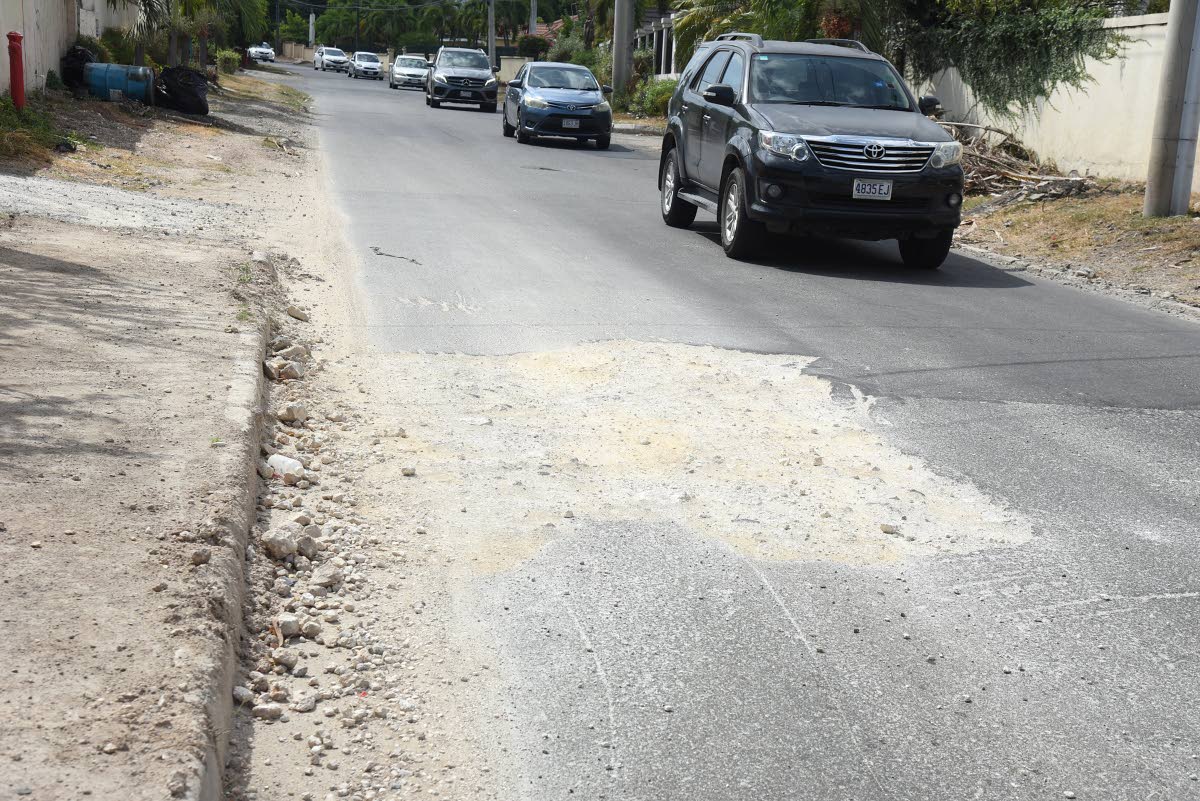 A section of the roadway along Wellington Drive near Mona, St Andrew.
-
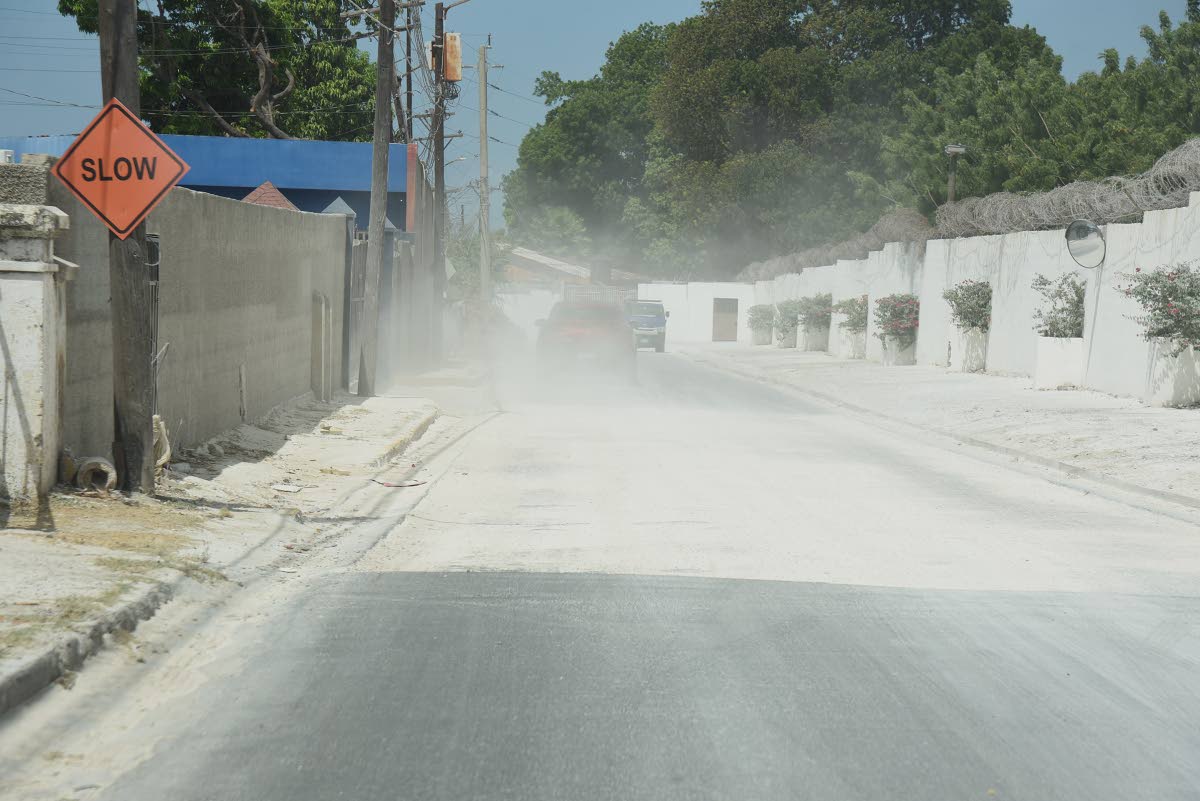 A section of Vineyard Road in Vineyard Town, St Andrew, that is left to be asphalted, is causing a dust nuisance to residents of the area from motorist who refuse to slow down while driving through the area.
-
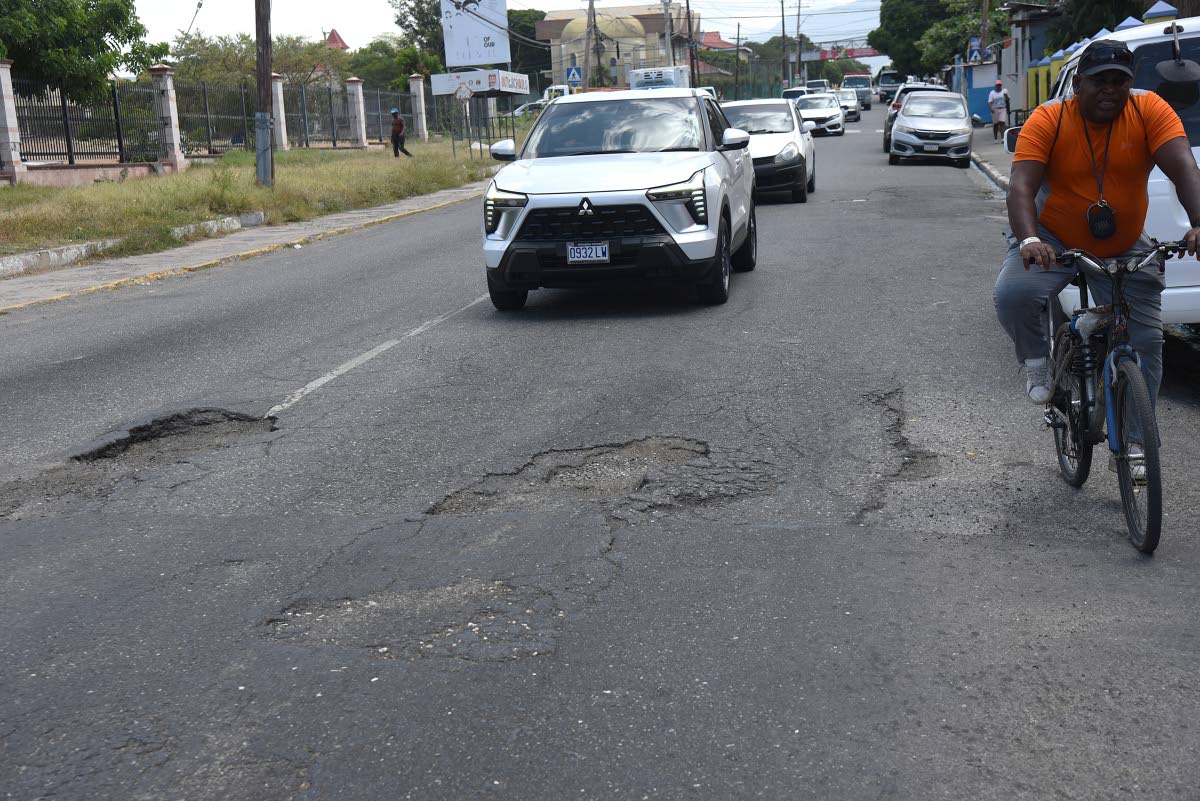
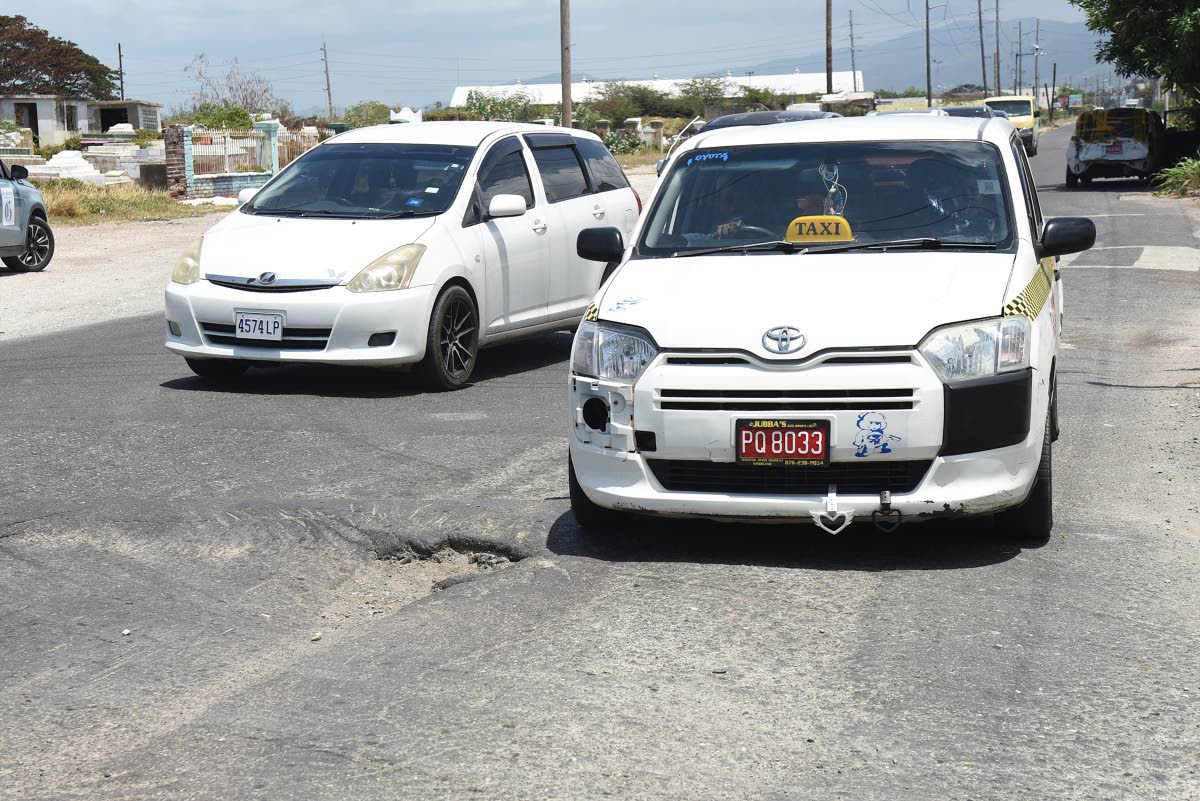 Motorists carefully avoid this pothole and depression along Spanish Town Road in the vicinity of Collie Smith Drive in St Andrew.
-
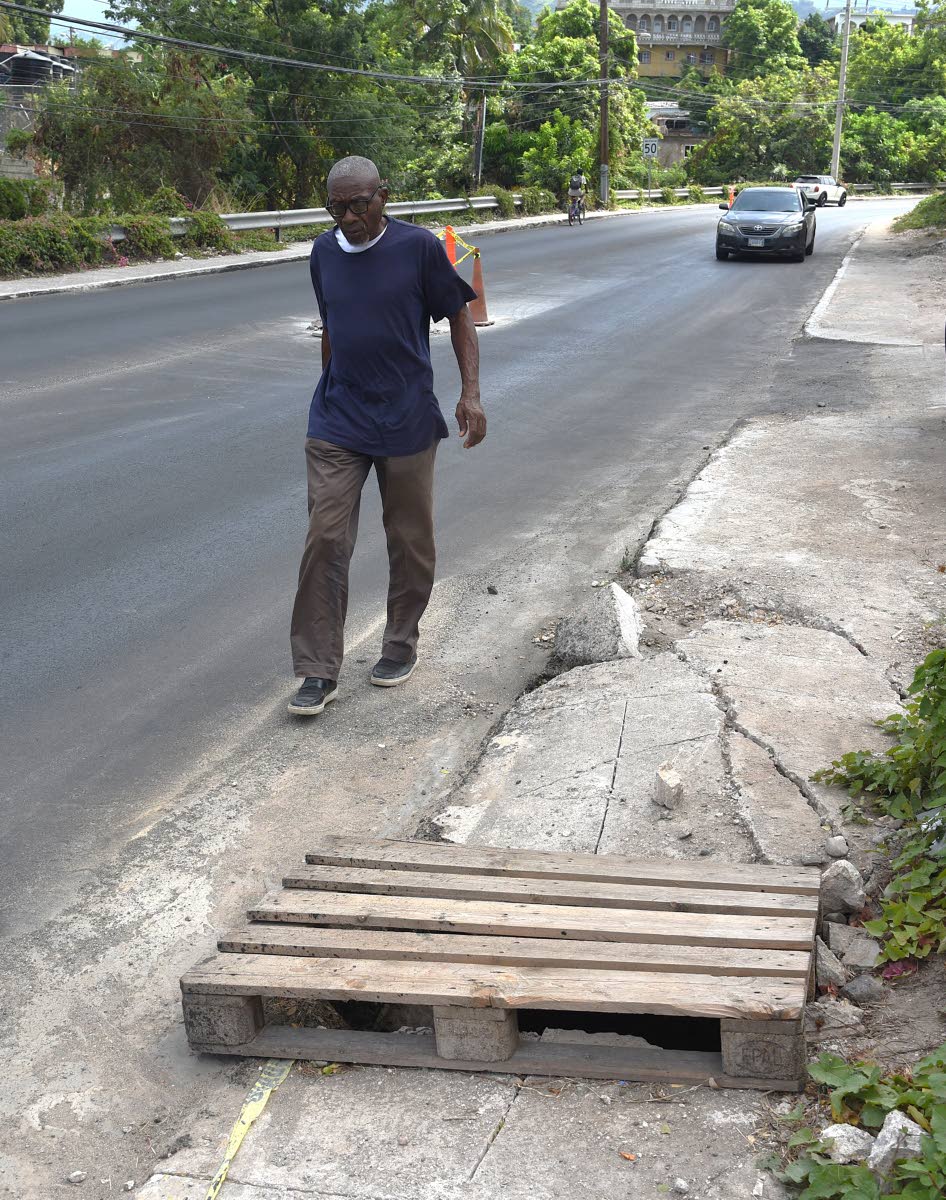 A visually impaired man walk past a compromised section of a sidewalk along Munroe road in St. Andrew that is currently being rehabilitated.
-
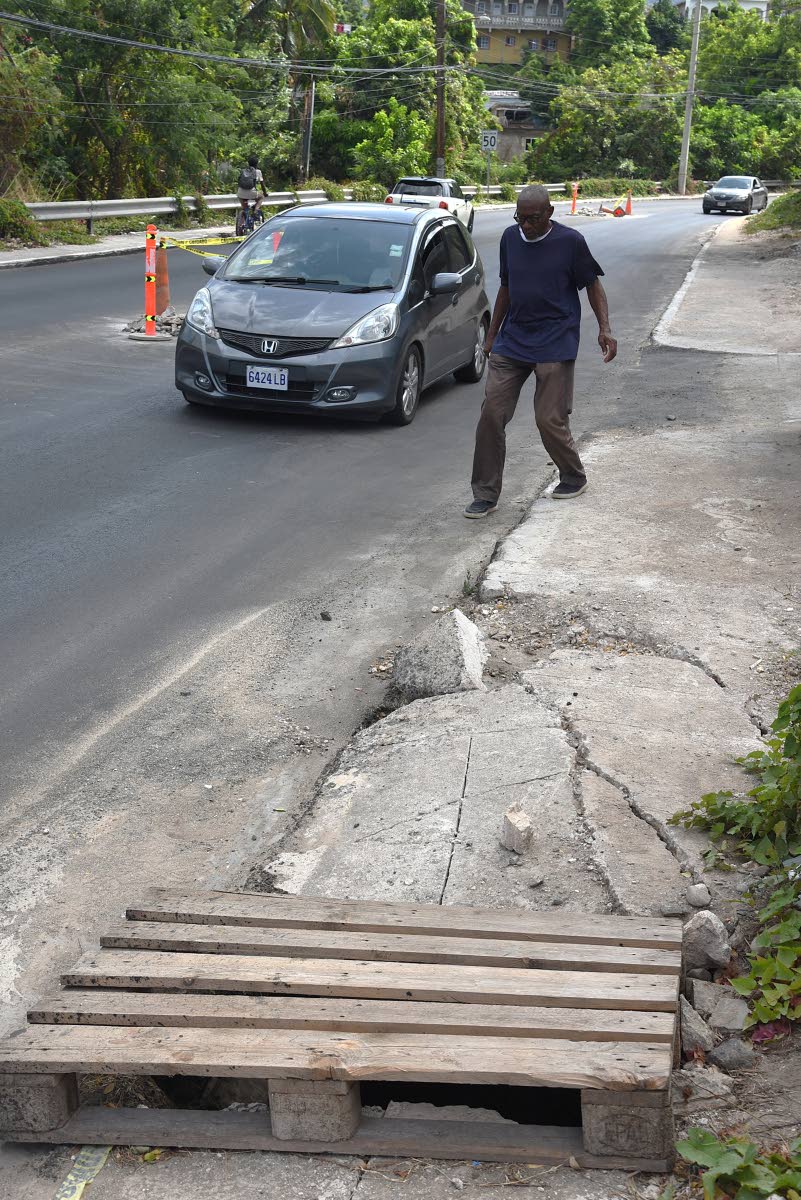 A visually impaired man walks past a compromised section of a sidewalk along Munroe Road in St Andrew last week.
-
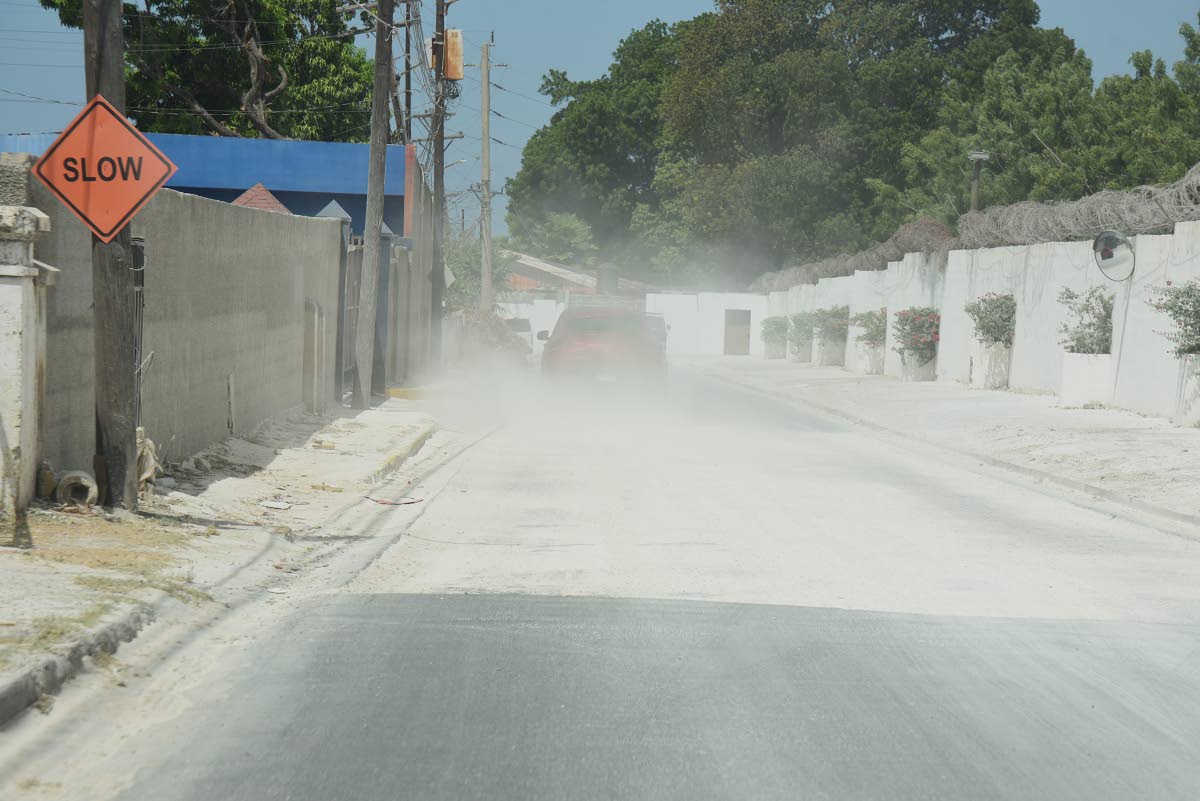 A section of Vineyard road in Vineyard Town, St. Andrew, that is left to be asphalted, is causing a dust nuisance to residents of the area from motorist who refused to slow down while driving through the area.
-
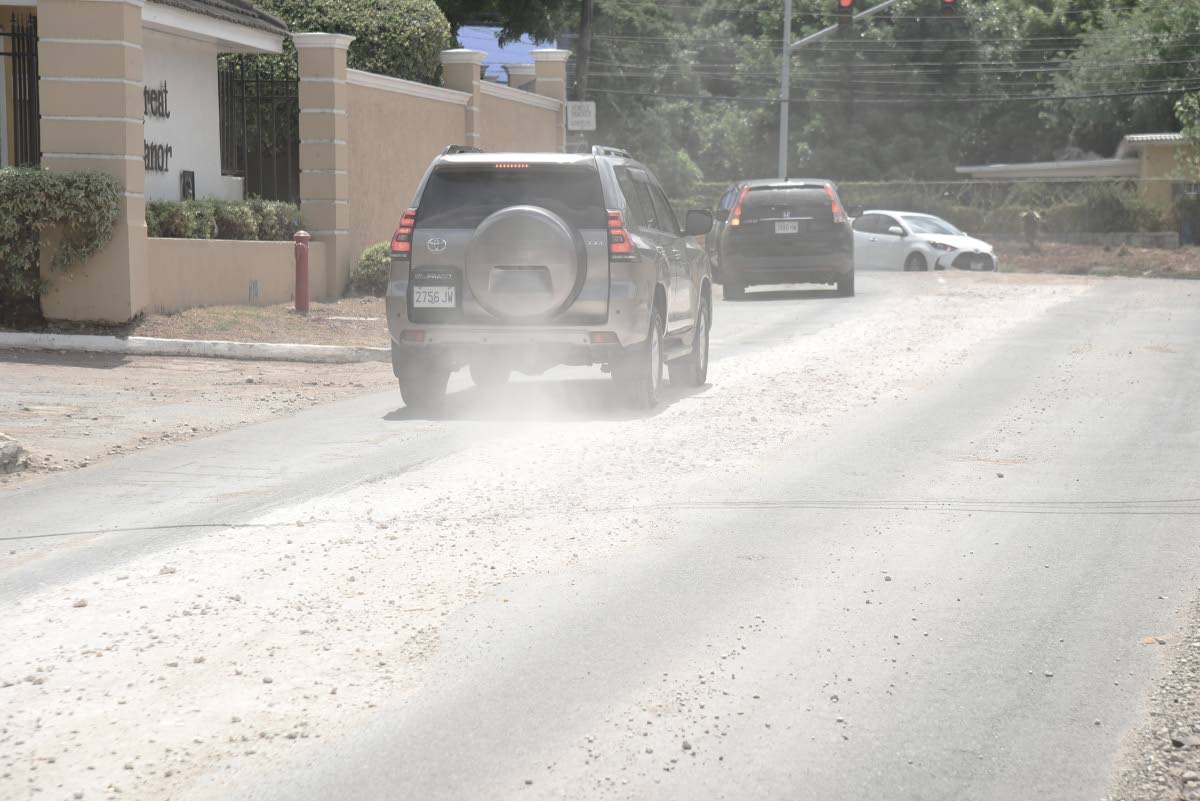 Retreat Avenue in St Andrew is also receiving some attention.
-
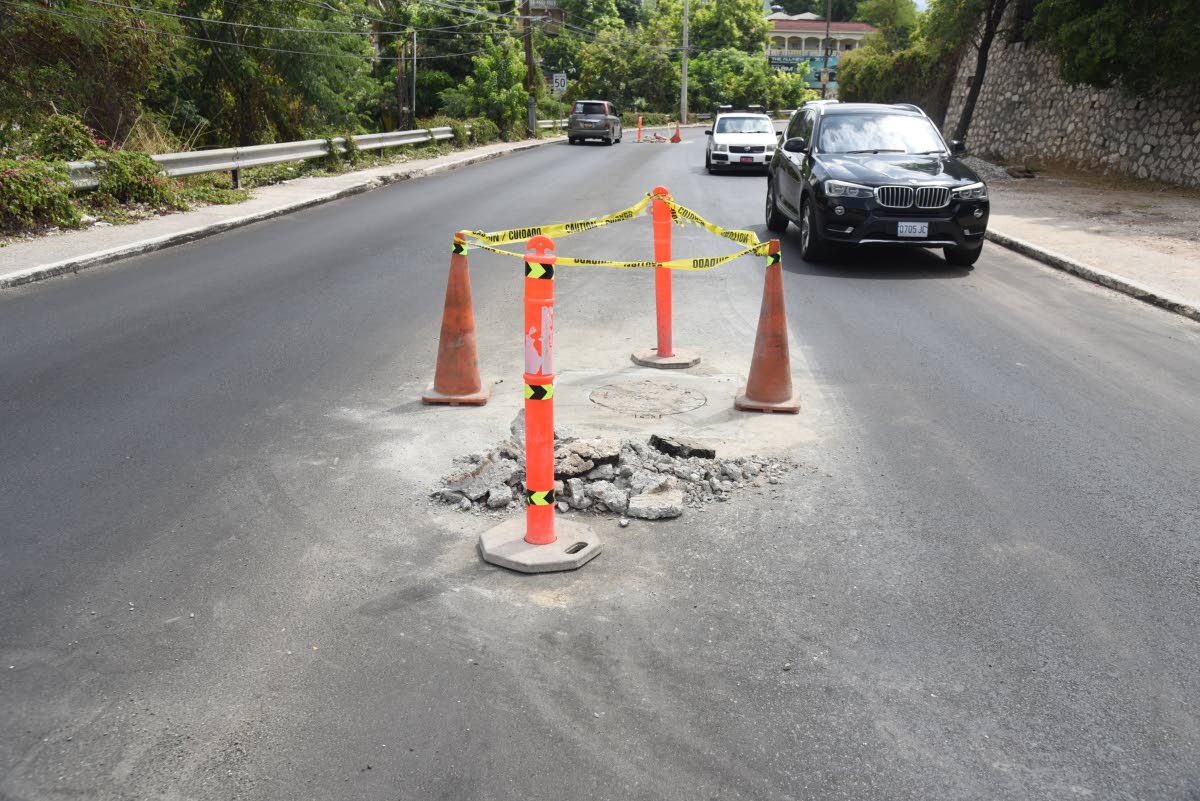 Munroe road in St. Andrew that is currently being resurfaced.
-
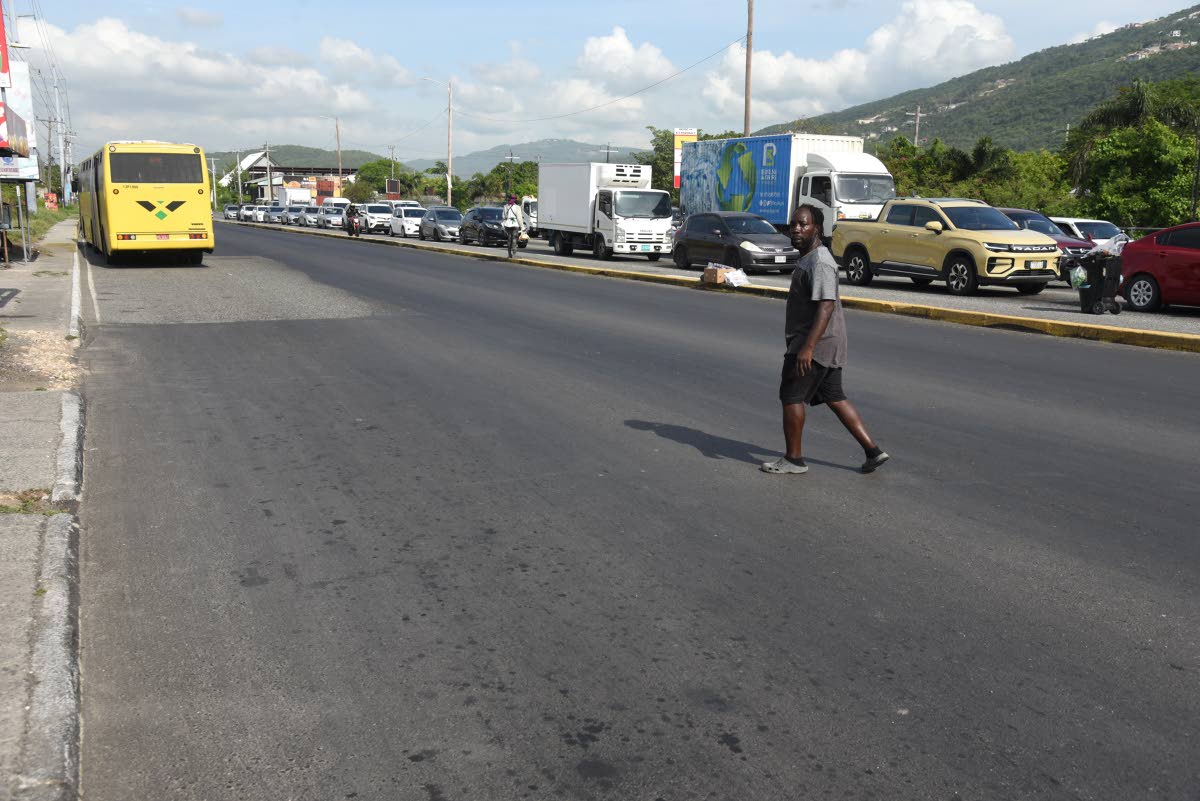
 Road users navigate a section of Marescaux Road in front of the Ministry of Finance and the Public Service at National Heroes Circle in Kingston last week.
-
 A recently repaired section of Washington Boulevard in the vicinity of Duhaney Park and Cooreville Gardens in St Andrew.
-
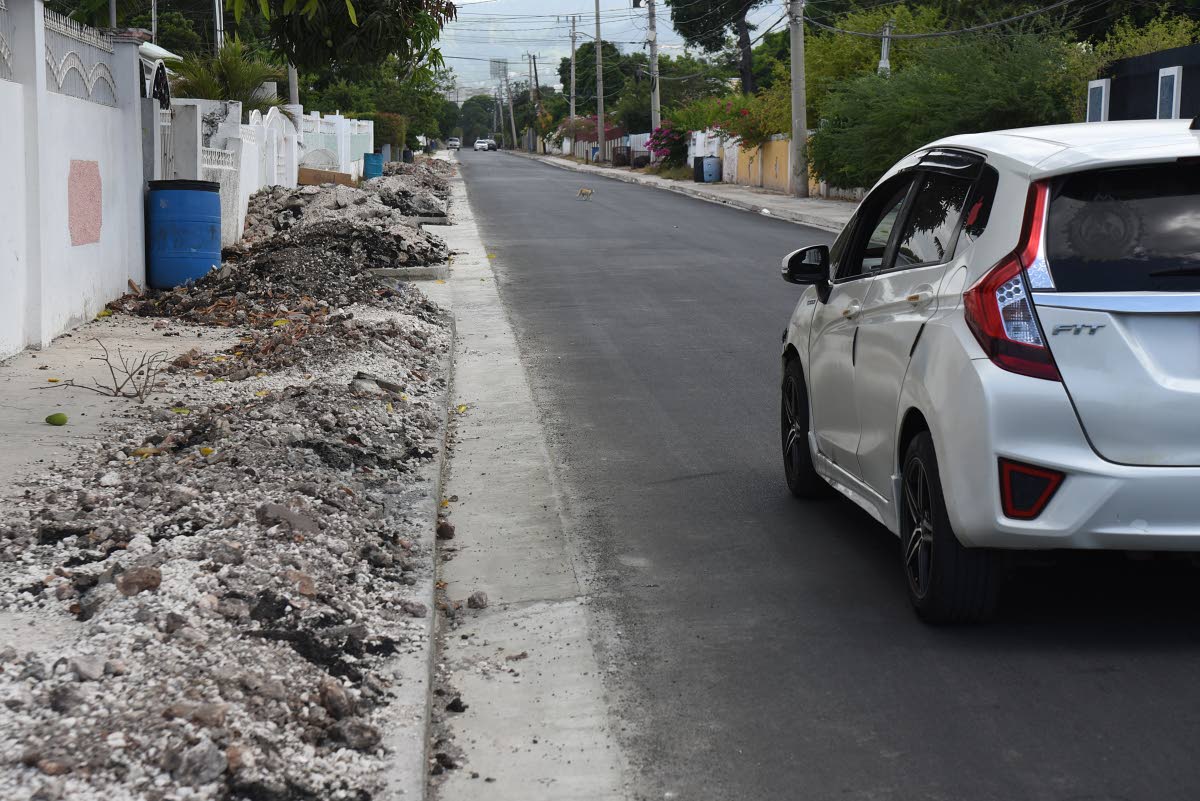 A section of Antrim road in Vineyard Town, St, Andrew that was resurfaced but debris from roadwork has been left on the sidewalk.
-
 Stephen Shaw, manager of communication and customer services at the NWA.
As the Government undertakes its $45-billion Shared Prosperity through Accelerated Improvement to our Road Network (SPARK) programme, questions are being raised about whether road repairs and rehabilitation works are consistently being carried out to the required standards.
Several people who spoke with The Sunday Gleaner during an examination of road conditions last week said Jamaica’s challenge is not a lack of technical ability or skilled workers, but weak monitoring and enforcement to ensure contractors deliver work according to specifications.
An engineer, who requested anonymity, said the country is “robbed at the source”, arguing that in many instances the required materials are either not used or are not applied in the quantities stipulated.
The engineer questioned whether adequate professional oversight is being provided throughout the construction and repair process, particularly during pothole patching, where failures often result in the rapid return of damage.
The concerns come as the Government upgrades community, parochial and main roads across Jamaica under SPARK, with works currently under way on several major corridors in the Corporate Area. SPARK is an islandwide infrastructure programme that includes road rehabilitation and drainage improvements. It covers community roads managed by municipal corporations as well as major roadways overseen by the National Works Agency (NWA).
Works Minister Robert Morgan said in early July that $25 billion had been earmarked to rehabilitate 37 priority roads under the programme’s main road component.
The initiative is expected to cover approximately 170 kilometres of roadway across 11 parishes and benefit an estimated 900,000 citizens.
Roads identified
Roads identified for rehabilitation in Kingston and St Andrew include sections of Red Hills Road from Perkins Boulevard to Swain Spring Road, Molynes Road, Washington Boulevard, Seaward Drive to Olympic Way, Oxford Road, Stony Hill, Golden Spring, portions of Cooperage in Gordon Town, Sir Florizel Glasspole Boulevard and Windward Road.
Prime Minister Dr Andrew Holness, speaking at the same event, acknowledged challenges facing the administration as it seeks to accelerate the programme.
He said Jamaica currently does not have the capacity to repair roads at the speed desired by the Government, adding that the National Road Rehabilitation and Infrastructure Agency (NaRRA) is developing a policy framework to allow contractors to partner with the State on large-scale infrastructure projects.
Details of the proposed partnership have not yet been released.
Steven Shaw, manager of communication and customer services at the National Works Agency, said the agency is responsible for managing works under the Government’s rehabilitation programme.
While SPARK is separate from the ongoing pothole-patching initiative, Shaw said the NWA is responsible for implementing projects under SPARK.
“The fixing of potholes involves identifying the location(s) to be targeted based on approved budget. Marking those areas then doing the pre-work – squaring of the area, filling with granular material and compacting – and then covering with asphaltic concrete,” he told The Sunday Gleaner.
According to Shaw, the process requires skilled workers, including persons experienced in operating concrete saws, known as ‘lootmen’, as well as labourers who assist with spreading material before compaction.
Road compaction is one of the most important stages in ensuring a repair lasts.
The process involves compressing soil, gravel or asphalt to remove air pockets and increase density. When done properly, it strengthens the surface, reduces water penetration and protects the underlying layers from deterioration.
Road assessment
raised questions
However, observations during The Sunday Gleaner’s road assessment raised questions about whether the process is always being executed to the required standard.
In some instances, freshly repaired sections quickly showed signs of failure after heavy vehicles passed over them, recreating the same depressions and potholes that the repairs were intended to eliminate.
Critics argue that inadequate preparation, poor drainage, insufficient compaction and the use of unsuitable materials contribute to a cycle in which the same roads repeatedly require public funds for repairs.
Richard Mullings, president of the Incorporated Master Builders Association, said the organisation last week hosted a webinar examining asphalt quality and paving standards.
He noted that the National Works Agency maintains that all road repairs and rehabilitation projects are carried out according to established specifications.
Those specifications, he said, must be publicly available and consistently enforced.
“So, anytime they’re repairing the road, it must be built to a specification, even repairing potholes must be built to a specification. From the material that’s used, the equipment and the size of the compacted equipment are all very important steps. Specification includes the thickness of the asphalt to be used, relative to the number of cars, for the road being constructed, or being rehabilitated,” he explained.
Mullings said testing should also determine the quality of materials being used, with professionals within the NWA responsible for assessing samples and certifying quarries supplying materials such as marl and limestone.
According to him, contractors must source materials only from approved quarries.
He acknowledged that contractors vary in quality and performance, but said standards must be enforced because some will attempt to bypass requirements if adequate oversight is absent.
He said responsibility for enforcement already exists within the system.
Last week, with the exception of a persistent pothole near the bus stop outside the Ministry of Education and another several metres away from the overhead bridge near Wolmer’s Girls’ School, much of the National Heroes Circle remained in good condition.
The most noticeable failure was a damaged section opposite the Ministry of Finance and Public Service.
One observer, speaking on Wednesday, expressed frustration with the recurring pattern of road deterioration.
“Why it must always come to this? Why it can’t be fix before it spread out? Look where the finance ministry deh!” she said, throwing her hands into the air.
Broken and exposed manholes
Beyond the damaged roadway, the most significant danger along the route was the number of broken and exposed manholes stretching from Wolmer’s Girls’ School to the Ministry of Education.
Washington Boulevard, which links Mandela Highway and Spanish Town Road with Dunrobin Avenue and Molynes Road, is heavily marked by repeated patches, many of which have deteriorated and required repairs multiple times.
One of the most dangerous sections – now repaired – was located near the bus stops in the vicinity of Duhaney Park Plaza and Bob Marley Boulevard. The area has been the site of numerous crashes, including several fatal accidents, according to vendors who operate nearby.
They told The Sunday Gleaner that many of the collisions occurred when motorists encountered the potholes unexpectedly, braked suddenly or swerved to avoid the damaged sections, putting other motorists and commuters waiting at the bus stop at risk.
“You know how many name brand car have accidents out here? You know how many times man swing from the potholes and lick dung people at the bus stop? Years ago, the same pothole wipe out a family right here. Two days later, they come and fixed it. Months later, it came back, and it has been coming back and forth for years,” one vendor said.
He braved the heavy traffic to point out the locations where the potholes had repeatedly returned.
A closer examination of the area revealed what appeared to be a deeper drainage and design issue.
The repaired sections of roadway were estimated to sit between six and nine inches higher than the area along the curb where water naturally settles. Six large boulders placed near the bus stops serve as a barrier to reduce water splashing onto commuters during rainfall.
However, the drainage system is located approximately 125 metres away in the direction of Six Miles. In heavy rainfall, water often remains trapped because the road gradient prevents it from reaching the drainage point.
The vendor believes the recurring failures are predictable.
“Mark my words, wait till little rain fall, them going open again. The road nuh level. Look how low this part is to the middle of the road where the potholes are? So on one side of the same lane, the high part have the potholes, the low part settle water, and dig up the road again. It caan mek sense,” he said.
Further along Washington Boulevard, motorists currently have some relief from another notorious crater located outside the offices of Dairy Industries.
The pothole, which has repeatedly returned over the years, has now been patched.
Vendors across the roadway offered little confidence that the repair would last, dismissing it as another temporary fix.
Still, they welcomed the brief reprieve.
For commuters and motorists who travel these roads daily, however, the cycle remains familiar: repairs bring temporary relief, but without lasting solutions, the same problems continue to resurface.
erica.virtue@gleanerjm.com