Rabbi Yaakov Raskin | The tailor’s third suit
Loading article...
-
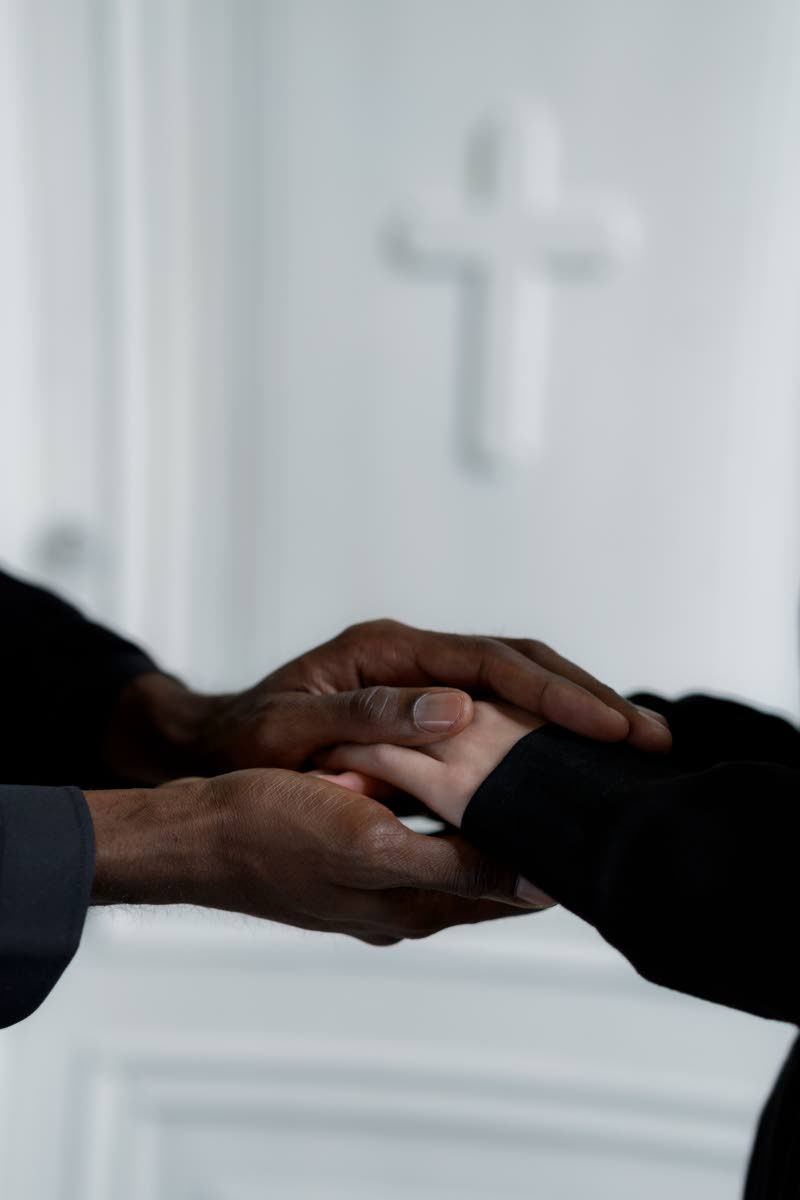
Forgiveness is hard labour, and it becomes possible when we trust that our ordeals fit within a larger plan that we cannot yet see.
-

A father sewed his young son a magnificent suit, and the boy ruined it.
-
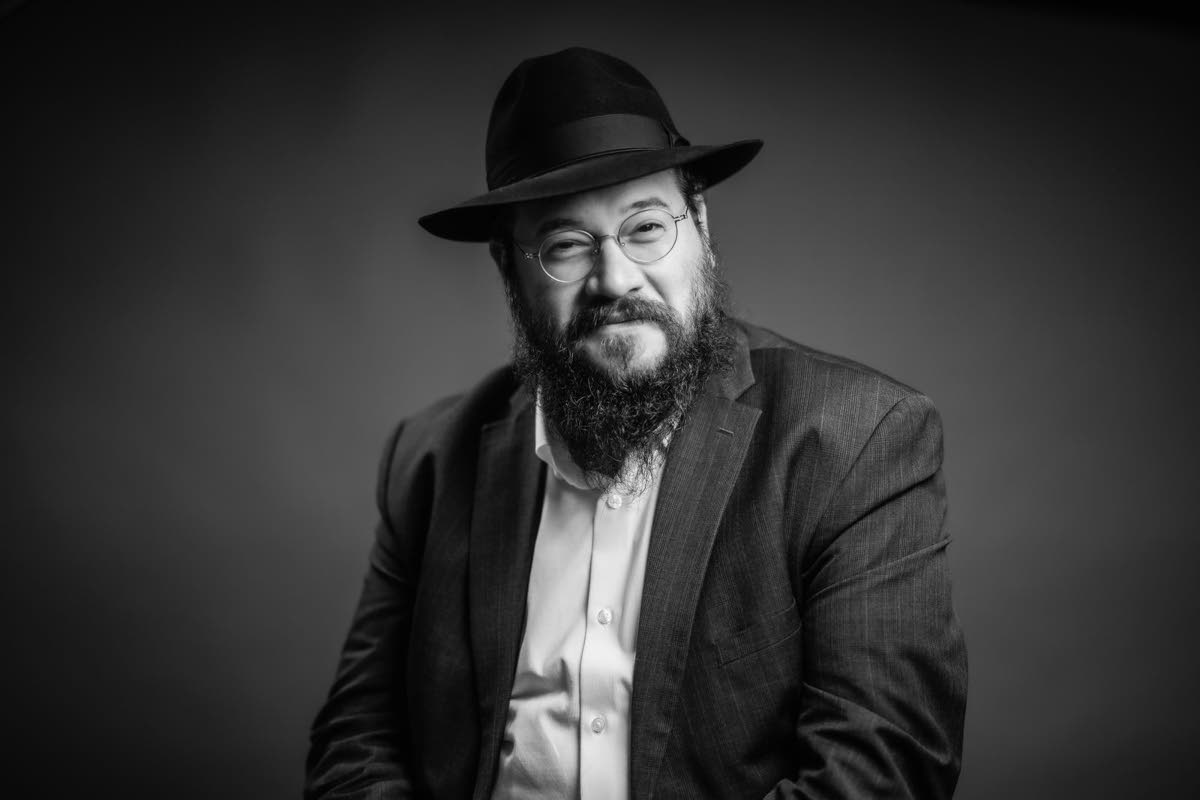
Rabbi Raskin
In late June, headlines in Canada and around the world told the story of a gunman who opened fire near a shopping mall in Montreal. He was surrounded by police, and the neighbourhood was locked down. Amid the heavy crossfire, a bystander, Michel Mizrahi, was killed.
Michel wasn’t just a random person; he was a beloved member of the Côte Saint-Luc Jewish community and often attended my father’s synagogue. A tailor with a heart of gold, Michel measured and stitched suits for everyone in the community and, every time I visited Montreal, I would go to him to have my suits adjusted.
What happened to Michel is incredibly tragic, and it leaves so many questions unanswered: Why do bad things happen to good people? How can we explain the unexplainable? And the ultimate question: How can we forgive?
There is a scene in the 2024 film Bob Marley: One Love that offers a clue. In December 1976, gunmen burst into Bob Marley’s home on Hope Road and shot him, his wife Rita, and his manager, two days before the Smile Jamaica concert. Toward the end of the movie, one of the gunmen returns to Marley’s house to ask for forgiveness. Bob says, “I carry no vengeance. Jah planted a seed in your heart, and only you can redeem yourself.” While it is unclear whether the two men actually met in real life, Marley did forgive his would-be killer, even as he carried the trauma with him throughout his life.
The filmmakers chose to close that scene with Redemption Song, and I do not think that choice was accidental. The song’s imagery of the bottomless pit recalls the biblical story of Joseph, one of the 12 sons of Jacob. Joseph was envied by his brothers, who kidnapped him, threw him into a pit, and sold him into slavery. After years in an Egyptian prison, Joseph eventually rose to become the ruler of Egypt. When he later encountered his brothers, who came to him seeking food during a famine, he revealed himself and said: “Although you intended me harm, G-d intended it for good, so as to bring about the present result, the survival of many people” (Genesis 50:20).
It is clear that both Bob Marley and the biblical patriarch Joseph forgave those who caused them harm, but the question remains: How?
Neither waited for those who hurt them to change first, and neither pretended the wound was imaginary. Instead, they turned toward a strength greater than their own. As the Psalmist sings, “The L-rd is my strength and my song, and He has become my salvation” (Psalms 118:14). Forgiveness is hard labour, and it becomes possible when we trust that our ordeals fit within a larger plan that we cannot yet see.
The Jewish calendar offers its own wisdom this week. This past Shabbat was Shabbat Chazon, the Sabbath of Vision, which arrives just before Tisha B’Av, a fast day observed from the evening of July 22 until nightfall on July 23. On that day, Jews around the world fast in memory of the Holy Temple in Jerusalem, which was destroyed in 70 CE. The Shabbat takes its name from the vision of the prophet Isaiah, read in synagogues that morning, which holds out hope of reconciliation for a people who “cease to do evil, learn to do good” (Isaiah 1). Our sages taught that the Temple fell because of baseless hatred between people, and that it will be rebuilt through baseless love.
According to Jewish tradition, the Temple was destroyed because of baseless hatred between one person and another. The lesson for us is that, when we embody the values of baseless love, we will merit the rebuilding of the Holy Temple once again.
Every year on this Shabbat, say the Chassidic masters, we are granted a vision of the Third Temple. While we may not see it with our physical eyes, our souls see it and are empowered to break free from our present state of exile and spiritual displacement and to help bring about the Redemption and the rebuilding of the Temple.
The Chassidic master Rabbi Levi Yitzchok of Berdichev explained the name through a parable. A father sewed his young son a magnificent suit, and the boy ruined it. The father patiently sewed a second suit, and that one, too, was destroyed. So the father made a third suit, finer than both, and locked it away, opening the closet now and then so the boy could see it hanging there. He was telling his son: Grow into the person who deserves to wear this. Similarly, on Shabbat Chazon, every soul is shown a glimpse of the Third Temple, the garment still waiting in the closet of history.
The Rebbe, Rabbi Menachem M. Schneerson, taught that studying the laws of the Temple, its plans, and its measurements actually hastens its rebuilding. This is far more than wishful thinking. It aligns our minds with what we are building toward, much like a tailor studies a pattern before making the first cut of cloth.
To return to the question posed above – how can we truly forgive? – we must recognise that only we ourselves, with G-d’s help, can overcome the sins of hatred and grudge-holding. If we say that we will forgive only when our neighbour changes first, then we have it all wrong. We must turn to G-d and ask for the strength to overcome the hatred within our own hearts.
That is our work. The Tisha B’Av fast this Wednesday and Thursday is more than a history lesson; each year, it renews our commitment to judge our neighbours favourably and to let old grudges go. Through that inner refinement, and with G-d’s help, we lay the foundation for the future Temple and for the universal redemption envisioned by the prophets. The outer freedom we hope for arrives only when we have grown into it. That is what the father in the parable was telling his son, and it is what this season is telling us.