Yaakov Raskin | What the Exodus story and Bob Marley have in common
Loading article...
-
 Rabbi Raskin
-

-
-
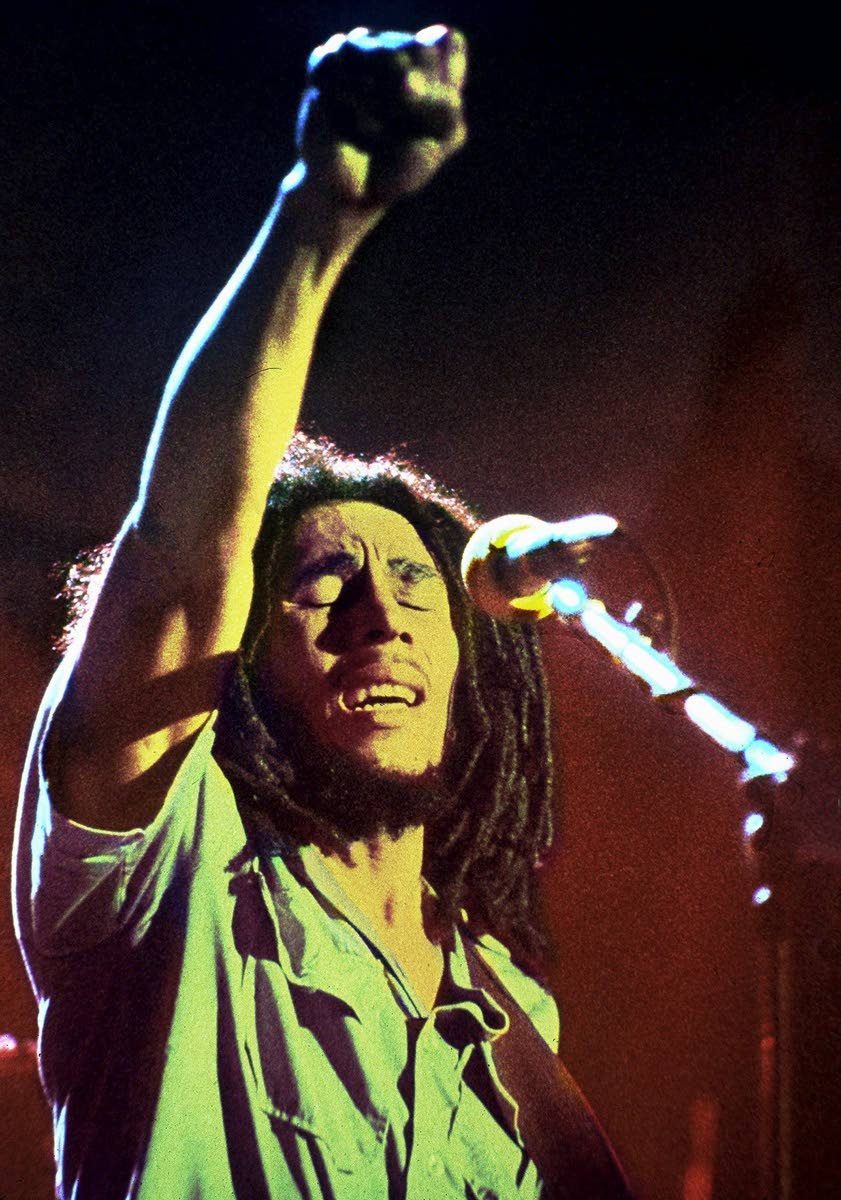
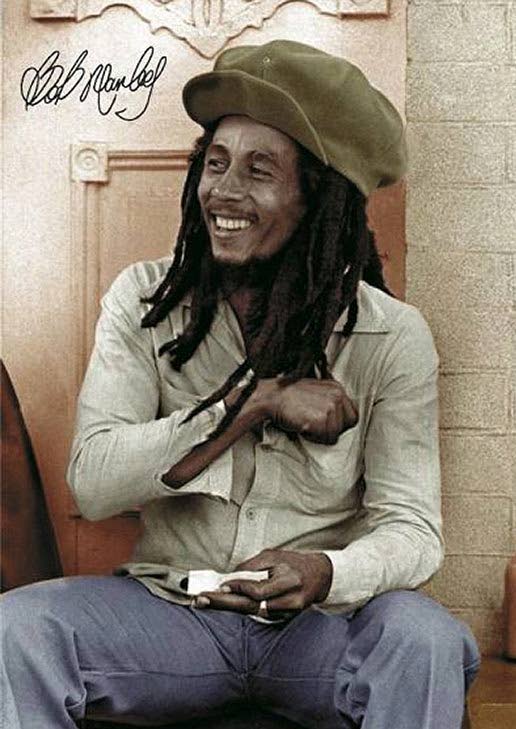
In 1999, Time magazine named Bob Marley’s album Exodus as the greatest album of the 20th century. The title comes from the second book of the Bible, which tells the story of the Israelites refusing to accept slavery, and G-d leading them to freedom. Biblical themes of breaking free from Babylon, the journey to Zion, and all of us being G-d’s creations, abound in Bob’s music. In my previous article, I discussed the Shabbat and its origins. While it’s unclear whether Bob Marley himself observed a weekly Sabbath, he was part of a Rastafarian group which observed a day of rest. The most common explanation for a weekly day of rest comes from the biblical creation story, where G-d made the world in six days and rested on the seventh.
That is the reason given when the Ten Commandments are first presented in the book of Exodus.
“Remember the sabbath day, to keep it holy … . For, in six days, the LORD made heaven and earth, the sea, and all that in them is, and rested the seventh day: wherefore the LORD blessed the sabbath day, and hallowed it” (Exodus 20:8-11)
But, when Moses repeats the Ten Commandments in the book of Deuteronomy, there is a second reason given.
“Remember that you were a slave in the land of Egypt, and that the Lord your G-d brought you out from there with a mighty hand. Therefore the Lord your G-d commanded you to keep the Sabbath day.” (Deuteronomy 5:15)
This version is less known, but is equally as important. The logic is that Shabbat is not merely a rest from work, but a weekly declaration of freedom. We were once people who had no right to rest, and now we are free to serve G-d with the highest joy. In Egypt, we served a human master but, in Zion, we became free to serve our divine father. During the six days of the week, we toil but, on the Sabbath, we rest. Every week, we are, in effect, reliving the story of Exodus.
Chapter 31 of Exodus lays out how to observe the Shabbat. Moses gives detailed instructions for building the tabernacle, listing the craftsmen, materials, and every type of work involved. Then, immediately following these instructions, without interruption, G-d tells Moses “but keep My Sabbaths, for whoever does work shall be cut off from the people”. There are 39 types of work listed in building the tabernacle, and those came to define the exact types of work Jewish people stop doing on the seventh day.
These categories cover every domain of human creative work and are divided into six subgroups. The first group covers agricultural work, everything from plowing and planting through harvesting, threshing, grinding, and baking, essentially the full process of turning raw earth into bread. The second covers textile production, from shearing wool through dyeing, spinning, weaving, and sewing. The third covers leather work and the preparation of animal hides.
The fourth category covers writing and erasing. The fifth covers building and demolishing. The sixth covers fire: kindling it, extinguishing it and, by extension, any act that initiates or completes a circuit. What unites all 39 is a single idea: they all involve taking something in its natural state and, through purposeful human action, transforming it into something new. That is what G-d did during the six days of creation while creating a home for humanity, and that is what the Israelites did while building the tabernacle, a dwelling place for G-d.
What this means practically is that from Friday sundown through Saturday night, many of the everyday tasks we do during the week are set aside: Cooking food, watering the garden, writing a letter, and even carrying something to our neighbour. Many of these tasks we refrain from completely and others we do in a modified way to respect the law while also caring for our needs. For instance, food is prepared before the sabbath and kept warm, and hot drinks like coffee and tea are made in a special way that avoids ‘cooking’.
Beyond these categories, the rabbis added a few more actions to the list that protect the spirit of the day, among them buying and selling, driving, and using electronic devices. Commerce is forbidden because a day of complete rest cannot also be a day of business. The others are prohibited because they involve fire and completing a circuit.
The actions are prohibited not because they are physically demanding or strenuous, but because they initiate something, transform something, or bring something into being that did not exist a moment before.
While these may seem like a great deal to give up for 24 hours each week, what they add up to is a single, radical idea: one day where we step back entirely from our role as makers and doers and simply exist as G-d’s creatures.
The freedom that Shabbat embodies is a constant theme in Bob Marley’s music. He sang about Babylon — the system that reduces a person to their labour and nothing more, and Zion, the state where that oppression stops. Shabbat is that weekly exodus from Babylon to Zion, a few hours each week where your worth is not measured by what you produce, and where the only master you serve is G-d.