Church must make room for pain, not just praise - Minister calls for focus on child mental health
Loading article...
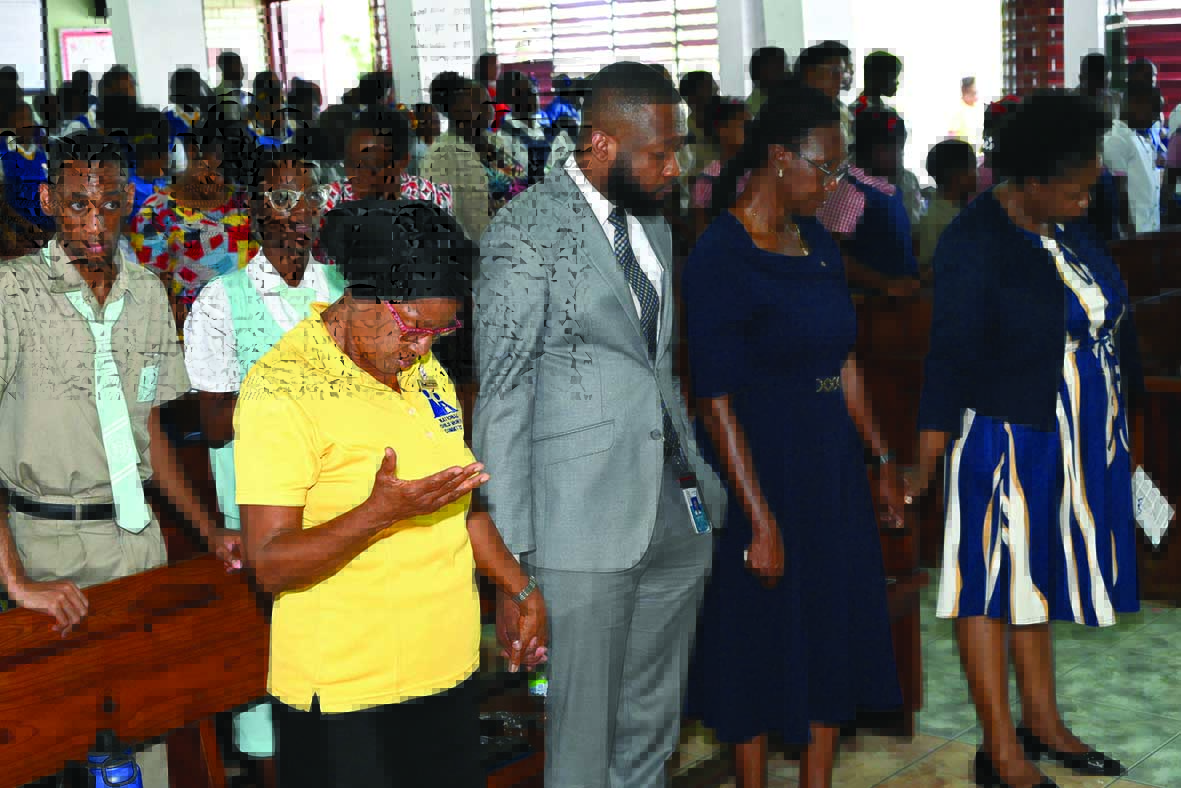
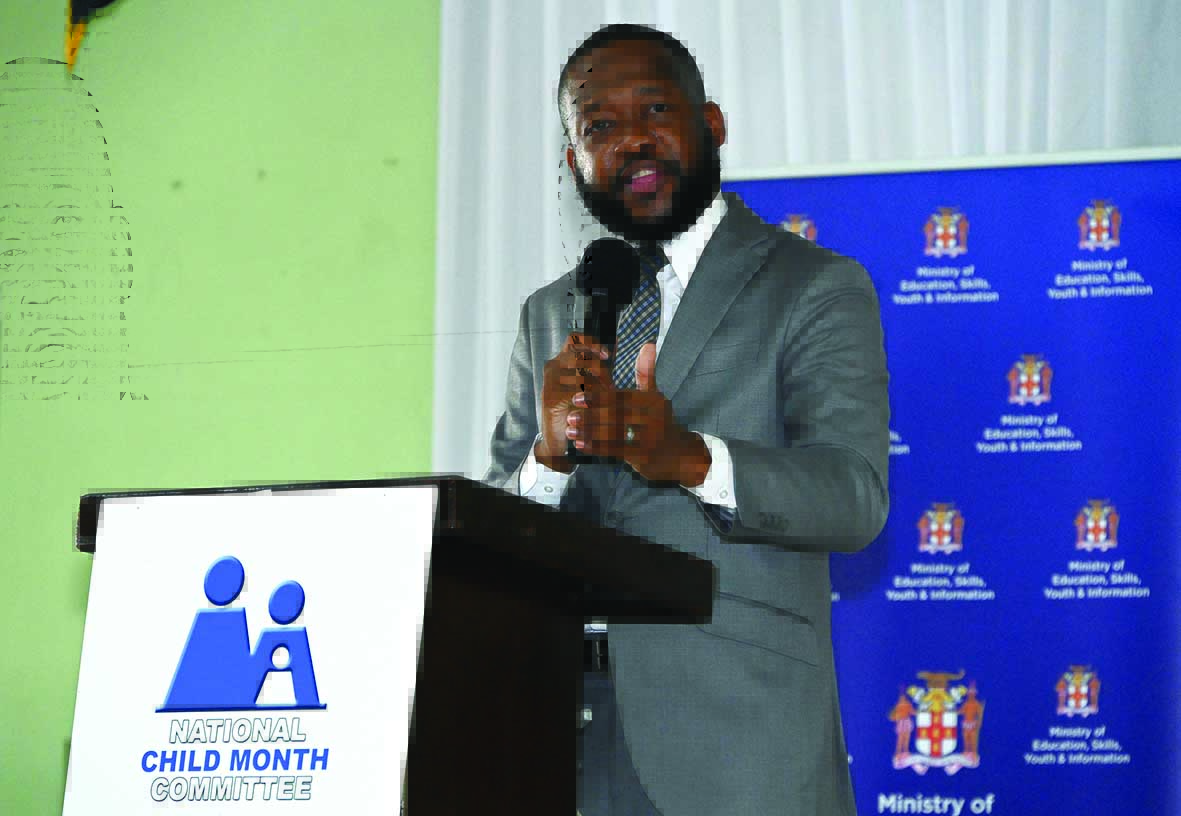
The church cannot afford to preach praise while ignoring pain, especially for children grappling with anxiety, depression and grief, says Christian minister Romane Sohan.
Speaking on the need for collaboration between faith communities and mental health professionals, Sohan argued that the sanctuary should be a place where children bring their “whole selves”, not merely perform wellness.
Sohan, who delivered the keynote address at the National Day of Prayer for the Nation’s Children and Families on May 20, said the church and clinical care are partners, not competitors.
“The sanctuary has always been a place where people bring their grief, their fear, their confusion, their longing,” he said. “If we only make room for praise and not for pain, we have narrowed the gospel to a performance.”
Sohan warned that Jamaica is facing a “quiet crisis in adolescent mental health”. Anxiety, depression, grief from loss and violence, abuse, and the lingering effects of the pandemic are appearing in classrooms, homes and pews.
“If the church does not speak to this, we leave children to process their suffering alone, or worse, to receive the message that struggling means failing God,” he said.
The minister noted that signs of distress in children are often subtle. They include withdrawal from youth groups, sudden irritability, declining school performance, changes in sleep or appetite, and risk-taking behaviour.
In faith communities, he observed what he calls “spiritual masking” — children who learn to perform wellness because struggle is treated as shameful.
“They give the right answers in Bible class. They lift their hands in worship while there are cuts on that said hand from a suicidal attempt that no one cares about,” Sohan said. “That is not faith. That is survival.”
He cautioned against messages that frame anxiety as a lack of faith or simply ‘demons’, saying such responses drive young people underground.
Sohan rejected the idea that faith and therapy are in competition, describing them instead as complementary responses to a child’s whole self.
“The brain is a physical organ, as real and as vulnerable as the lungs or kidneys. When it malfunctions, it deserves a medical response,” he said. “At the same time, the child is more than a brain. They are a person with a spirit, a moral history, a relational world, and a need for meaning.”
He said therapists and psychiatrists address what is clinically treatable, while the faith community offers prayer, godly guidance, belonging and moral scaffolding.
“The goal is not for the pastor to become a clinician, but for the pastor and the clinician to respect and complement each other,” he said.
CULTURE OF HONESTY
To break stigma, Sohan said, pastors must address mental health from the pulpit with the same directness used for grief, addiction or marital difficulties.
“When a congregation hears their pastor say, ‘Some of us are struggling with depression, and that is not a spiritual failure,’ something shifts. Permission is given. Shame loses ground,” he said.
He urged youth ministries to foster cultures of honest conversation and leaders who model appropriate vulnerability.
To parents who worry that seeking a therapist means their child lacks faith, Sohan was direct: “Seeking help for your child is one of the most faithful things you can do. Your child’s faith and their mental health are not in competition.”
Looking ahead, Sohan said every church should have a clear pathway for mental health support within five years, even if not in-house.
“At minimum: a trained point of contact, a curated list of trusted referral resources, and a culture in which asking for help is treated as wisdom rather than weakness,” he said.
He suggested churches host psycho-education sessions with clinicians, build referral pathways with schools, and embed mental health modules in denominational training programmes.
“In Jamaica, the church remains one of the most trusted institutions in many communities,” he said. “But the church’s effectiveness will only be realised when we move beyond the walls on Sunday morning to the communities consistently. The church remains a part of the village that raises the child.”
Sohan said children learn integration by example. When adults seek help without shame and speak honestly about emotional struggles, children absorb that as normal.
“God made their brains and cares when their brains are hurting,” he said. “Going to a counsellor is like going to a doctor for a part of them that is struggling.”