Billions needed to rebuild MoBay’s ‘ground zero’
Loading article...
-
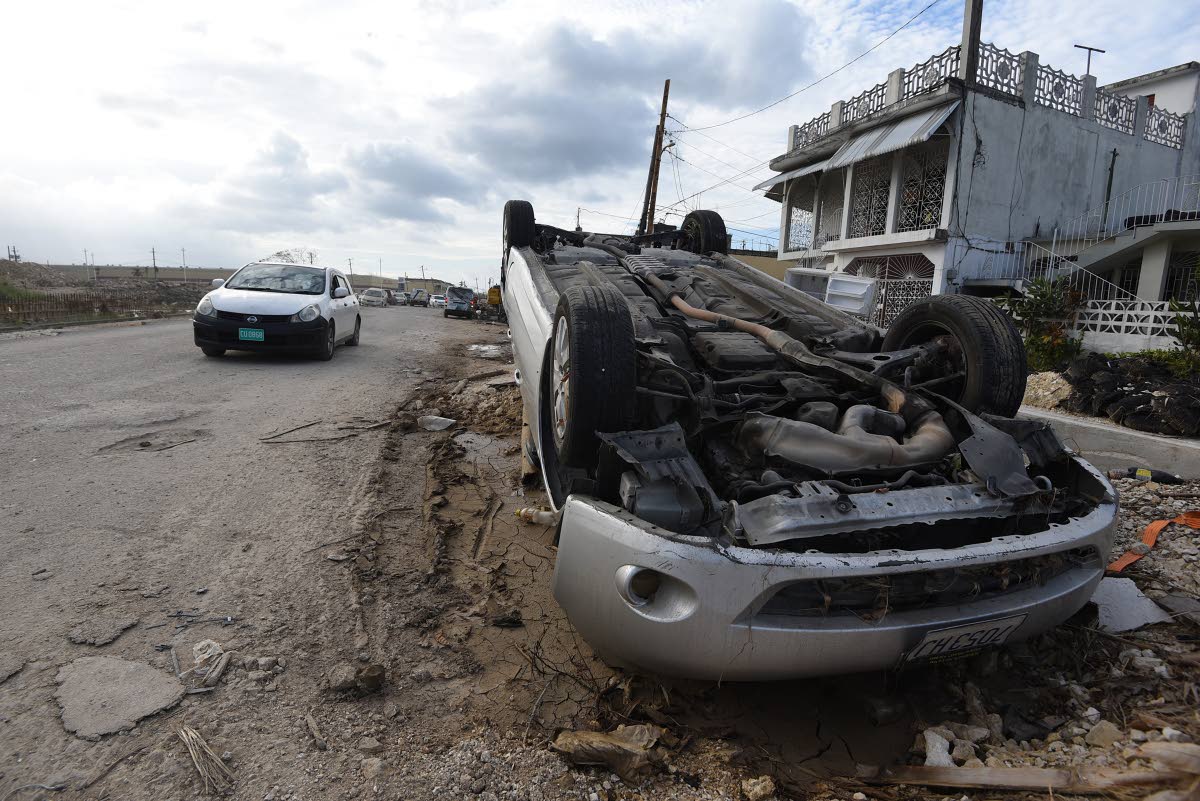 An overturned car among the rubble in Catherine Hall following the passage of Hurricane Melissa late last year.
-
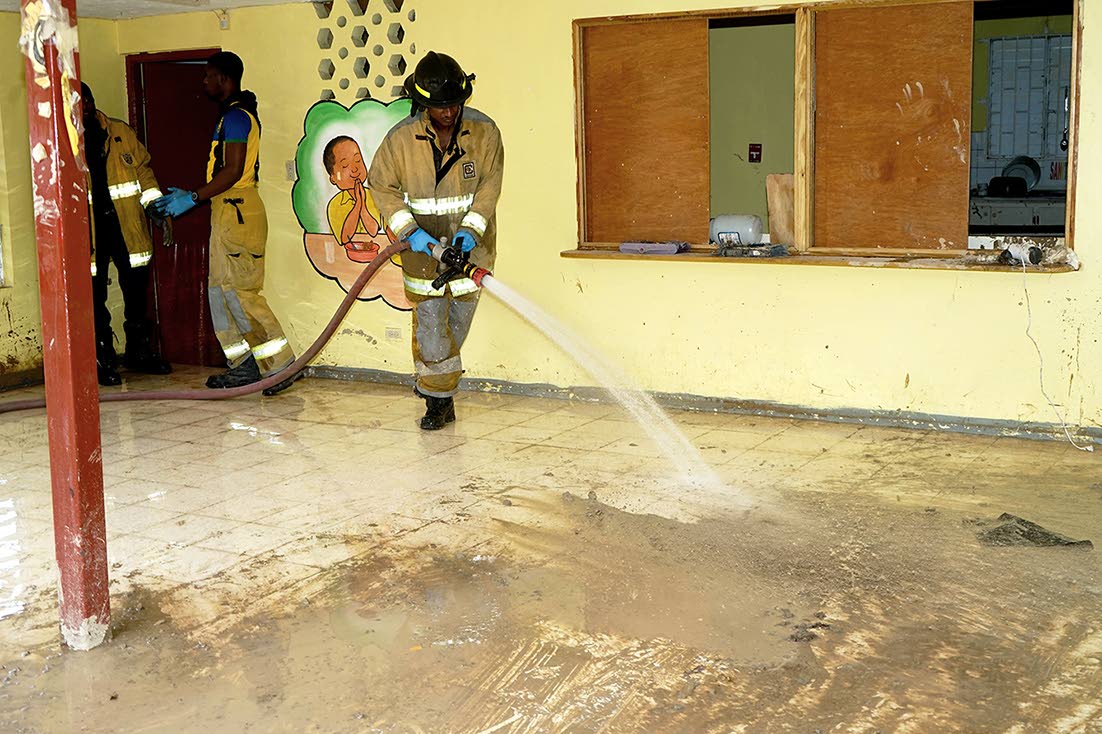 A member of the Jamaica Fire Brigade washes away mud and debris from a section of the Dudley Grant Demonstration Basic School in Catherine Hall, St James, during a workday organised by the JN Foundation in December 2025.
-
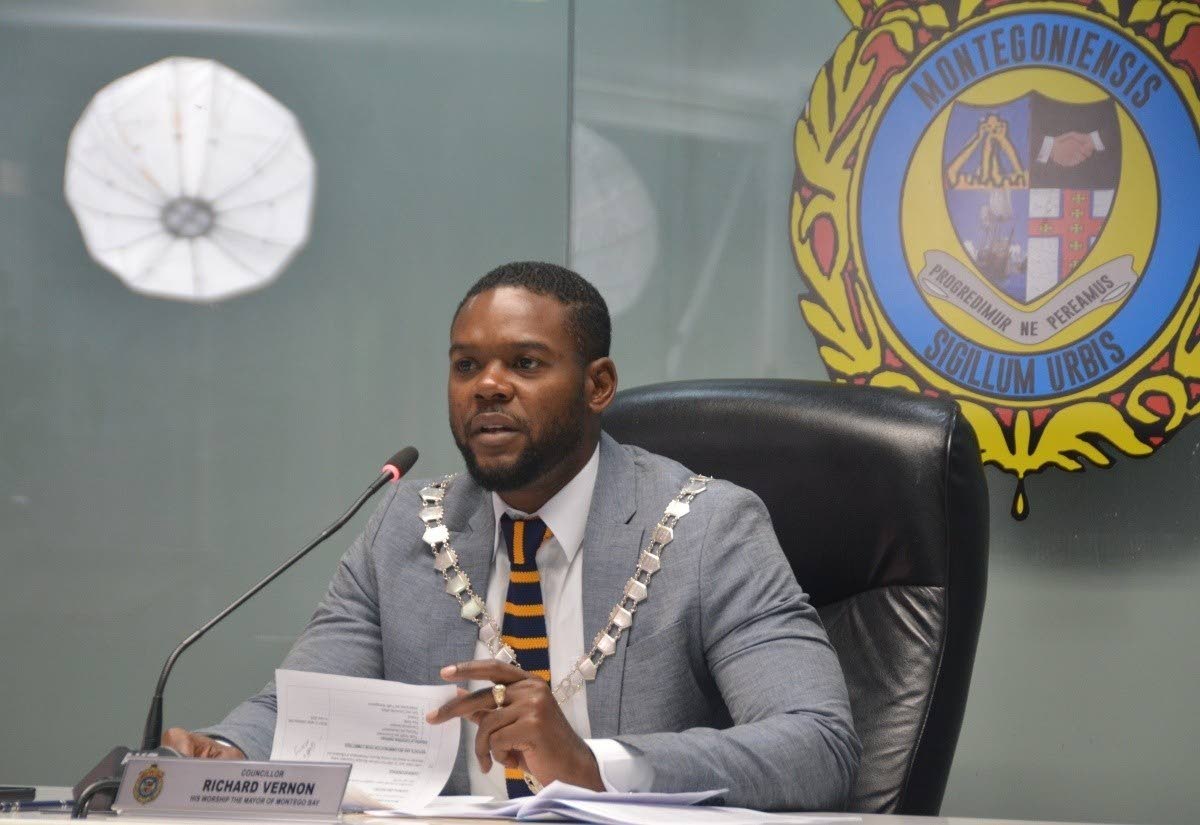 Richard Vernon, mayor of Montego Bay,
WESTERN BUREAU:
Restoring communities devastated by Hurricane Melissa could cost billions of dollars, with Montego Bay’s mayor warning that the country lacks the financial capacity for full mitigation and must instead focus on adaptation.
Mayor Richard Vernon said the scale of destruction across Westgreen and Catherine Hall in the St James capital has forced a shift in how authorities approach disaster recovery and future risk.
Vernon said the October 2025 hurricane, which impacted an estimated 4,000 residents, left behind extensive damage to homes, infrastructure, and personal property, pushing recovery costs far beyond what local authorities can absorb.
“When you look at how much it is costing people to replace furniture, appliances, vehicles and infrastructure, we are talking about billions,” he told The Gleaner yesterday.
While emergency interventions restored basic access, including the removal of more than 2,000 truckloads of mud and debris, the mayor acknowledged that underlying vulnerabilities remain, particularly within the drainage network.
He pointed to silted waterways, slow runoff, and the need for a comprehensive reassessment of drainage systems as key contributors to ongoing flooding concerns.
However, Vernon made it clear that addressing those issues at the level required will not be easy.
DIFFICULT TASK
“We do not have the financial bandwidth to deal with mitigation on the level it needs,” he said.
Instead, he said the municipality is now being forced to prioritise adaptation strategies, focusing on how residents respond to disasters rather than attempting to eliminate the risk entirely.
Central to that approach is the development of an early warning system, which could give residents critical time to act before flooding occurs.
The proposed system, estimated to cost about $60 million, would provide advance alerts, potentially allowing residents to move vehicles, evacuate, or secure property.
“If the people in Catherine Hall and Westgreen had even 30 minutes’ notice [before the deluge], they could have responded differently,” Vernon said.
He said efforts are under way to secure funding for the system through international partnerships.
The mayor also addressed calls for relocation of residents from flood-prone areas, describing it as a complex and costly undertaking.
Relocating thousands of people, he noted, would require significant land, infrastructure, and financial resources, as well as overcoming deep emotional ties to communities.
“Relocating 4,000 people is not an easy thing,” Vernon said.
Vernon warned that changing climate patterns are increasing the frequency and intensity of weather events, placing Jamaica in a more vulnerable position.
“We are experiencing climate change as never before,” he said.
Against that backdrop, he said the focus must now be on preparedness and resilience, even as long-term solutions are pursued.
janet.silvera@gleanerjm.com