Beating the heat- protecting yourself as temperatures rise
Loading article...
-
 Children cool off from the 100-degree heat at a spray park on Capitol Hill in Washington.
-
Children cool off from the 100-degree heat at a spray park on Capitol Hill in Washington.
-
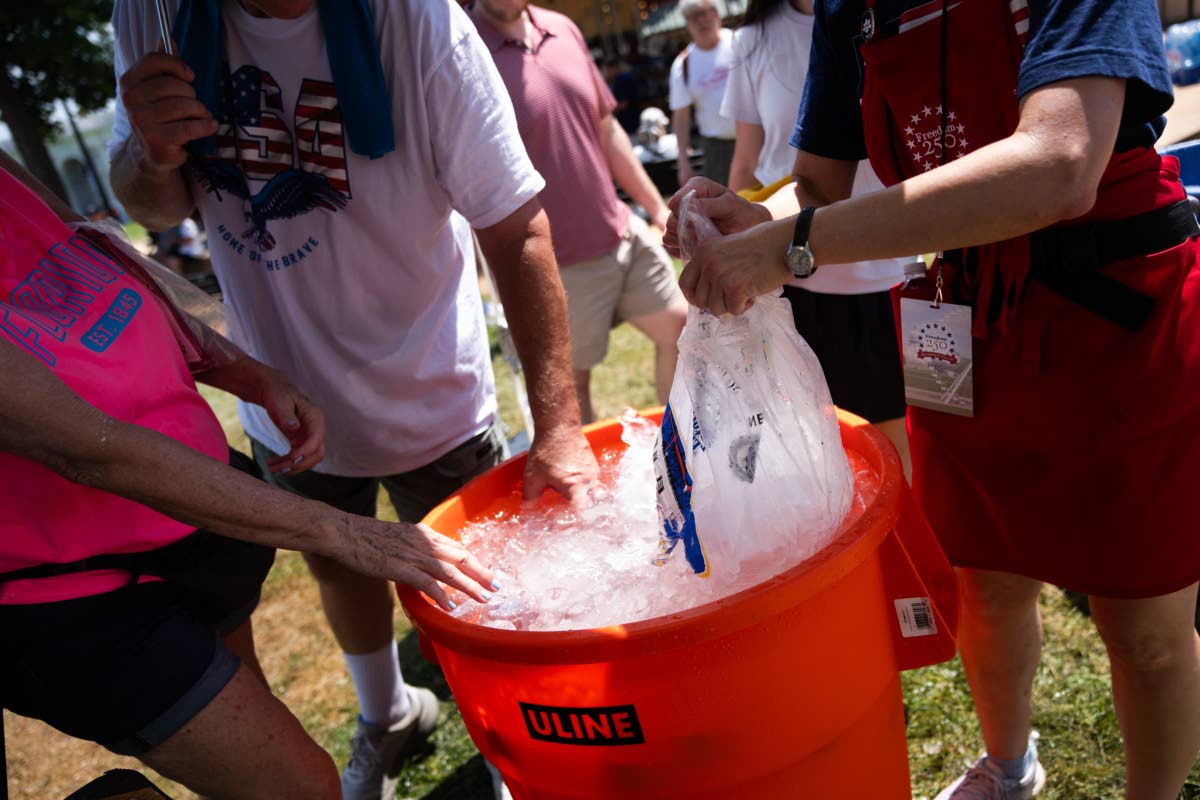 Attendees dip their hands in ice water at the Great American State Fair on the National Mall, Friday, July 3, 2026, in Washington. (AP Photo/Allison Robbert)
-
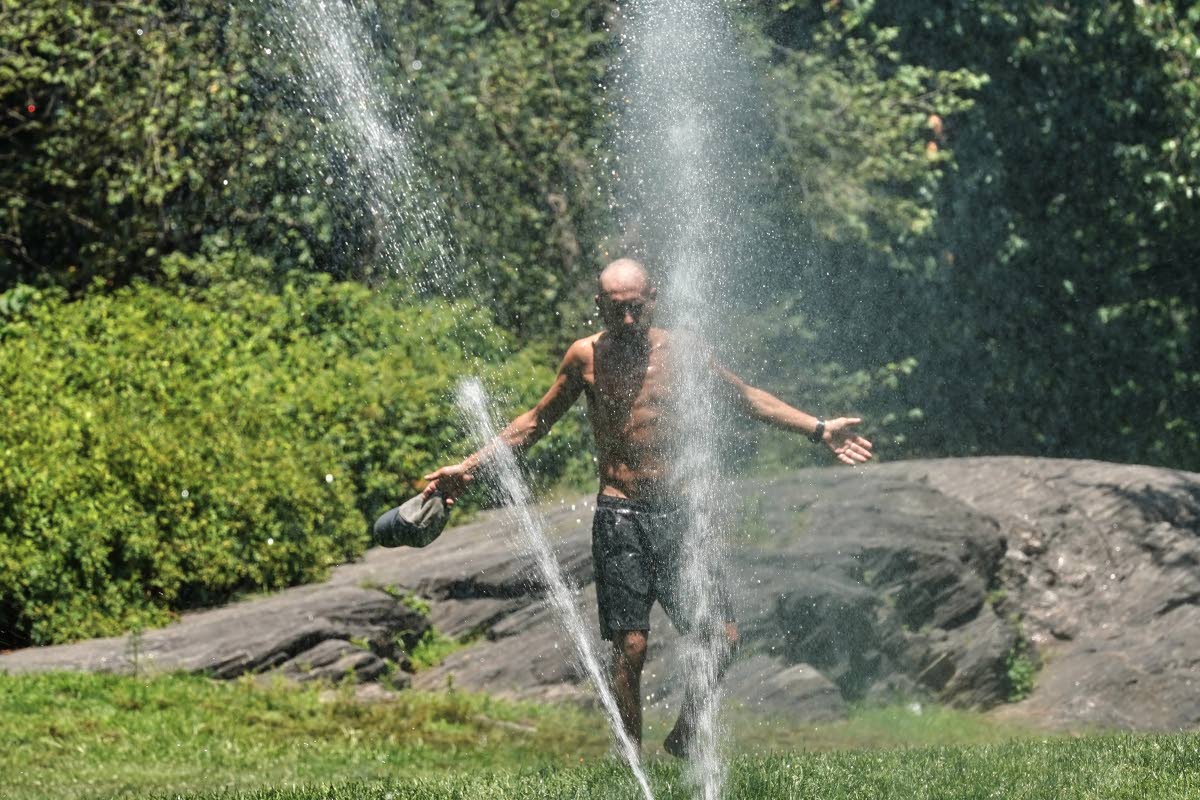 A man takes advantage of a sprinkler during hot weather in New York's Central Park, Thursday, July 2, 2026. (AP Photo/Richard Drew)
The heat is becoming harder to ignore.
Across Jamaica and the wider Caribbean, residents are increasingly feeling the effects of hotter days and warmer nights, with many adjusting their routines to cope. Some are drinking more water, using fans, seeking shade, and avoiding outdoor activities during the hottest hours. Others say the heat is becoming increasingly difficult to escape.
The concern is not unfounded. The World Meteorological Organization has reported record-breaking heat across Latin America and the Caribbean, while the region continues to experience the effects of a warming climate. Higher temperatures and more frequent heat extremes are contributing to growing public health concerns.
Jamaica is no exception. The Meteorological Service of Jamaica has warned of the possibility of hotter-than-normal conditions, increasing the likelihood of warmer days and nights.
For many residents, the heat has become a daily challenge. “The heat is excruciating and draining,” said Diana Edwards, who copes by drinking plenty of fluids, keeping cool and staying indoors whenever possible.
Her experience mirrors that of many Jamaicans. For people who work outdoors, however, avoiding the heat is not always possible. Construction workers, farmers, street vendors and traffic officers can spend hours exposed to direct sunlight, increasing the risk of dehydration and heat stress.
Carlene Thompson said current temperatures are unlike anything she has experienced before. “I have never experienced such temperatures before,” she said, adding that more trees should be planted to absorb heat and provide shade.
Her comments highlight the value of nature-based solutions. Trees and green spaces provide shade, lower surrounding temperatures and improve air quality, helping communities adapt to rising heat.
Limit Sun Exposure
One of the simplest ways to reduce the risk of heat-related illness is to limit direct exposure to the sun.
Outdoor activities should be scheduled for cooler morning or late afternoon hours whenever possible. When outdoors, people should seek shade and wear lightweight, loose-fitting clothing made from breathable fabrics. Wide-brimmed hats and sunscreen can also provide important protection.
Outdoor workers should take regular breaks in shaded areas and drink water frequently. Employers can help by providing drinking water and allowing adequate rest periods during periods of intense heat.
Stay Hydrated
Water remains one of the most effective tools for managing heat.
Health officials recommend drinking water regularly, particularly during hot and humid conditions. People working or exercising outdoors should drink before, during and after activity rather than waiting until they become thirsty.
Children and older adults require special attention, as they may be more vulnerable to dehydration. Alcohol and excessive amounts of sugary drinks are not ideal substitutes for water during extreme heat.
Protect Vulnerable Groups
Older adults, infants, young children, pregnant women and people with chronic illnesses are among those most at risk. Individuals living with conditions such as diabetes and hypertension may require additional care.
Families should check regularly on older relatives, particularly those living alone. Children should never be left unattended in parked vehicles, even for a short period.
Know the Warning Signs
Heat-related illnesses can range from mild conditions such as heat rash and cramps to life-threatening heatstroke.
Warning signs include excessive thirst, headache, dizziness, nausea, muscle cramps, fatigue, fainting, confusion and reduced urination. Severe symptoms, including loss of consciousness, seizures or confusion, require immediate medical attention.
As temperatures continue to rise across Jamaica and the Caribbean, managing heat will require both individual and collective action. Staying hydrated, limiting sun exposure and checking on vulnerable relatives can reduce health risks, while long-term measures such as planting more trees and expanding green spaces can help communities adapt more safely to a warmer climate.
keisha.hill@gleanerjm.com