Chronixx’s ‘Exile’, a quiet chapter in a loud legacy
Loading article...
-
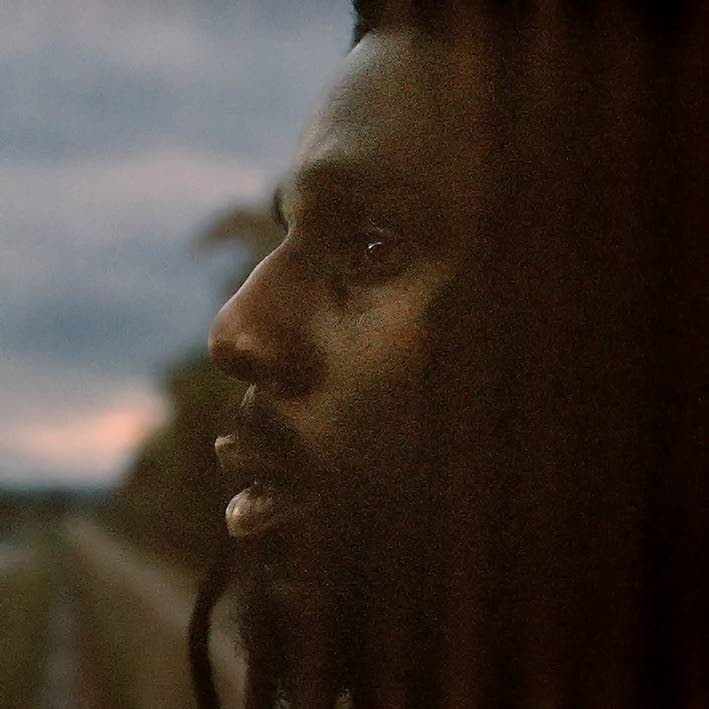 ‘Exile’ by Chronixx
-
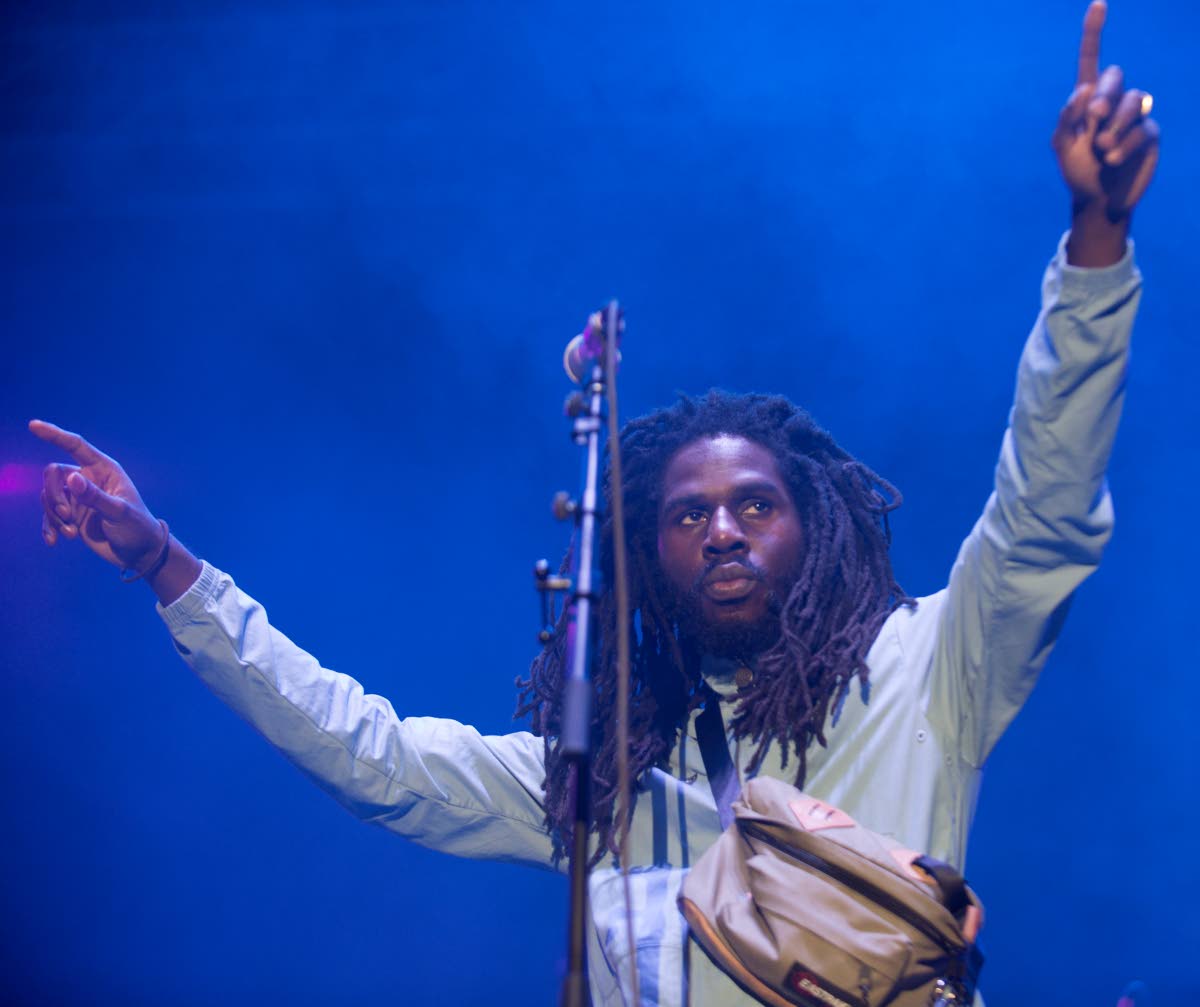 Chronixx
There are artistes we listen to, and there are artistes we witness. Jamaican reggae singer Chronixx has always felt like the latter. When he emerged in the early 2010s as part of what later became known as the “reggae revival”, it was clear that he was not simply another promising act. He quickly became one of the standard-bearers for a new generation of roots-oriented artistes.
I remember seeing him in that period, on a Friday night at Pulse in New Kingston. He walked on stage with just his guitarist and performed with a quiet authority that suggested that he understood the weight of his own trajectory long before the rest of us did. When the set ended, he stepped into the crowd and handed out copies of his EP himself. No bravado. No ego. Just conviction. You did not feel hype that night; you felt certainty.
By the time Dread & Terrible (2014) and his début album, Chronology (2017), arrived, Chronixx was no longer “up-and-coming”. He was one of the key voices defining roots-influenced Jamaican music in the 2010s, carrying forward a lineage while updating its language for a new decade.
My own relationship to this music did not begin with Chronixx. I grew up inside roots culture – not as a listener first but as a child of it. My father, Evon ‘Jah Teo Benji’ Benjamin, was a percussionist who worked with Augustus Pablo during the late 1970s and early 1980s, one of the most turbulent and creatively explosive periods in Jamaican music. He appears among the credited percussionists on Rockers Meets King Tubby’s In A Fire House, a dub classic recorded at King Tubby’s Waterhouse studio. That album remains foundational: Pablo’s meditative melodica, Tubby’s pioneering engineering, and musicians who shaped modern dub.
My father came of age in a Jamaica where drums were not an embellishment, they were cultural identity and social commentary. He also held a degree in government from The University of the West Indies, defying stereotypes placed on Rastafarians at the time. In the 1970s, growing locks could cost you employment or invite police harassment. That stigma was shaped in part by the legacy of the Coral Gardens incident of 1963, for which the Jamaican state formally apologised only in 2017. Musicians like Augustus Pablo, Hugh Mundell, Lacksley Castell, and Jacob Miller made music drawn from daily survival, not abstraction. That history shapes the ear I bring to Chronixx.
By the time I was forming my own relationship with music, Jamaica had shifted. The violence of the ‘70s had eased, but the memory of roots culture as resistance remained. That memory followed me to Gabre Selassie’s Kingston Dub Club in the hills of St Andrew – a cultural sanctuary long before “revival” became a media label.
Analogue sound systems were treated as instruments. Vinyl was a living archive. People danced, but they also listened and debated. Parallel spaces like ManifestoJA pop-ups and the UNPLGD series nurtured artistes who would later be grouped under the revival banner. So, when Chronixx emerged alongside Protoje, Kabaka Pyramid, Jesse Royal, Lila Iké, Kelissa, Keznamdi, Dre Island, Sevana, and others, it felt organic. They were not resurrecting something dead; they were repositioning something living.
Chronology confirmed that sense. Songs like Skankin’ Sweet, I Can, Majesty and Likes showcased melodic strength and cultural intelligence. The Grammy nomination that followed felt like confirmation, not surprise. But it also created expectation – that Chronixx might push further, expand the form, test new edges.
Then came quiet. He toured, appeared selectively, but released no album for years. In Jamaica, silence from an artiste of his stature is often read as construction, not collapse. So when Exile arrived in 2025, many expected a bold pivot. What they got was something quieter.
Exile is a sonically disciplined album. Chronixx and producer Inflo built a deliberately narrow, referential sound world. The title track is classic reggae: heavy bass, familiar guitar flourishes, steady rhythm — an intentional return to foundation. Market introduces a hip-hop swing that recalls the long conversation between Kingston and New York, while remaining rooted in his established sound.
Other tracks function as clear references. Sweet Argument nods to Studio One warmth and early King Jammy digital polish; Saviour brushes against the sound-clash era; Family First and Keep On Rising lean into lovers’ rock and late-’80s/early-’90s balladry, evoking artistes like Beres Hammond and Freddie McGregor in their sentiment and pacing.
Hurricane stands apart. Built around a lone acoustic guitar and a more pointed lyrics, it feels closest to stripped-back social commentary – the emotional centre of the album. Across Exile, Inflo favours atmosphere over impact, space over density. The result is unified and carefully constructed – but also intentionally contained. It is a study in continuity, not reinvention.
For some listeners, that continuity will feel grounding. For others, especially those who saw Chronology as a signal of bigger experiments to come, it may feel restrained. But restraint is not decline. Exile sounds like an internal audit: Chronixx taking stock of what still feels true, answering to his life rather than to the market.
The album may not shift the culture. What it does is stabilise his footing. It documents where he is, not where he might yet go. Whether this stillness is a resting point or a gathering of momentum remains to be seen. Chronixx has already shown he can change the direction of a room. Exile suggests that for now, he is listening more than he is declaring.
Evon T. Krishna Benjamin is a writer, poet and cultural analyst. Email feedback to entertainment@gleanerjm.com.