Sahaana Sathyaraj | Birdwatching is booming, so is its problem
Loading article...
-
-
 Sahaana Sathyaraj
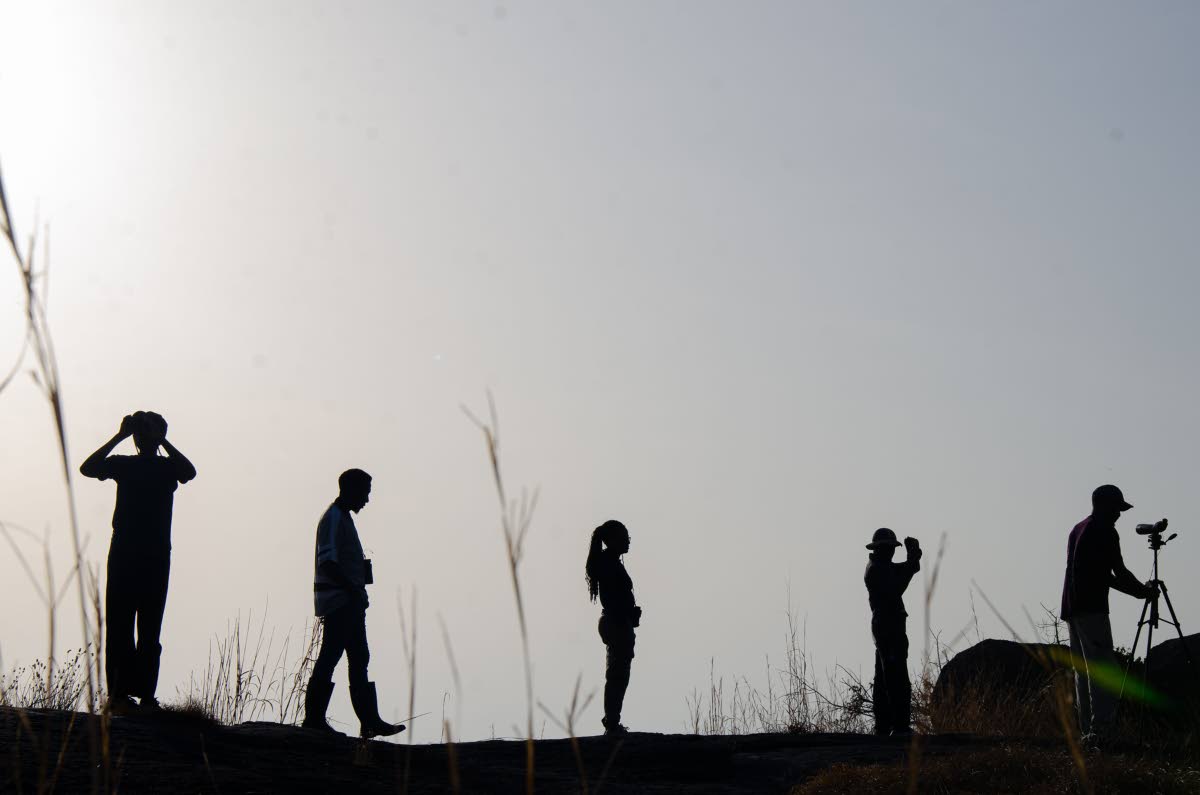
Birdwatching has recently surged in popularity across the world, especially among younger generations. In fact, research has shown that it is Gen Z’s second-fastest-growing hobby.
Many have turned to the pastime as a way to reconnect with nature and reduce stress levels, and it has other potential health benefits as well. Some studies demonstrate its potential to help slow age-related cognitive decline by acting as a brain exercise.
Moreover, the little equipment or experience needed makes the hobby accessible to everyone. All you really need is the presence of birds. Unfortunately, their populations are declining because of a variety of issues, including habitat and environmental degradation, climate change and, more directly, plastic pollution.
WHY IS PLASTIC POLLUTION SUCH A BIG PROBLEM?
Birdwatching and birds themselves are not the only victims of plastic pollution. Outside of being beloved by birders, birds play an important role in many environmental and ecological processes.
For one, birds are significant contributors to the health of plant populations. They pollinate, fertilise, and disperse seeds across continents, which promotes plant reproduction and supports the growth of forests and foliage that serve as habitats for other species.
The ecological importance of birds also extends to health issues. For example, research has shown that, when vulture populations decline, humans are increasingly exposed to disease-causing bacteria and pathogens. This trend occurs because of the increase in the presence of animal carcasses, which vultures would normally remove from the environment. Bacteria from these carcasses can enter water systems and become a serious threat to human health.
Humans also rely directly on certain species of birds for specific tasks. For example, foragers in multiple regions of Africa have relied on the Greater Honeyguide to lead them to honey, while various types of birds can provide pest control on farms by eating common nuisance insects, such as coffee borer beetles.
So, when we lose our birds, we are not just losing their aesthetic or emotional value, we are also losing all of the extensive good they do for us and our environment.
IMPORTANCE OF THE PAST
Bird populations have been threatened by human-caused events throughout history, some of which have been devastating. Oil spills are one example, killing thousands of birds with each incident. The 1969 Santa Barbara spill, for example, led to the deaths of an estimated 3,600 birds.
Another particularly infamous case was the chemical DDT (dichlorodiphenyltrichloroethane), which was commonly used as a pesticide and led to a decline in bird-of-prey populations, resulting in imbalances in affected food chains because of a lack of predators.
But while threats to birds and their habitats exist, these events have also inspired real, feasible progress towards conservation. After the 1969 oil spill, there were extensive clean-up operations and a newfound attention to ecological issues that included the eventual creation of Earth Day. Rachel Carson’s Silent Spring highlighted the dangers of DDT and became one of the most influential texts in the environmental movement, as well as a catalyst for the creation of the Environmental Protection Agency.
In today’s environment, one of the biggest threats to birds is the increase in plastic pollution. Our next step should be to follow the environmentalists who came before us and work towards the next solution.
THE PROBLEM WITH PLASTIC
There are a number of reasons that plastic poses a major threat to birds, including entanglement, exposure to chemicals and, most especially, ingestion. In 2015, it was estimated that nearly 90 per cent of seabirds consume plastic. By 2050, that number is projected to increase to 99 per cent, which is virtually every seabird on the planet.
Birds eat plastic both directly and indirectly by eating prey that has already consumed it. Plastic consumption can cause serious ailments, leading to inadequate nutrient intake and gastrointestinal obstruction or organ damage. Plastics can also find their way into nests and cause severe damage. Chicks are prone to entanglement, which can prove fatal because of strangulation and the infections it causes. These issues have been observed worldwide and occur in both aquatic and terrestrial birds.
Plastics, which can take up to and more than a thousand years to degrade, become permanent fixtures in bird habitats, making exposure dangerously common. They are also extremely widespread, with an estimated 12 billion tonnes of plastic waste expected to be found in the environment by 2050.
These numbers are intimidating, but we should note that even the tiniest efforts add up over time. The easiest way to begin helping the birds we love can be as simple as saying no to a plastic bag.
WHAT CAN YOU DO TO HELP?
One way to start is by learning more about the effects and origins of single-use and disposable plastics. Knowing where they come from is the first step in identifying what you can do to reduce their use. Plastic water bottles, packaging and plastic bags are especially prominent pollutants, but they are also not too difficult to eliminate from your life.
Reusable bottles, kitchenware and bags are great ways to reduce plastic use while keeping the everyday items you need. As for the plastics already in the environment, getting involved in local clean-up efforts can help clear affected areas and boost community engagement. If there are none around you, consider starting one. Every movement, no matter how small, makes a difference.
Birdwatching is just one of the many aspects of our lives that rely on the presence of these fascinating, lovable creatures. If they have helped you alleviate stress from work, find friends, or even just provided some small amount of joy, consider paying it back. It could mean saving their lives.
Check out EARTHDAY.ORG’s End Plastics campaign for more information and ways to take action, such as calculating your plastic footprint or signing the Global Plastics Treaty petition.
Sahaana Sathyaraj is a rising sophomore at the University of Illinois Urbana-Champaign. She is studying journalism and environmental sustainability. Article courtesy EARTHDAY.ORG