Kenneth Russell | Reparatory development and the renewal of rural Jamaica
Loading article...
-
 Kenneth Russell
-
Kenneth Russell
-
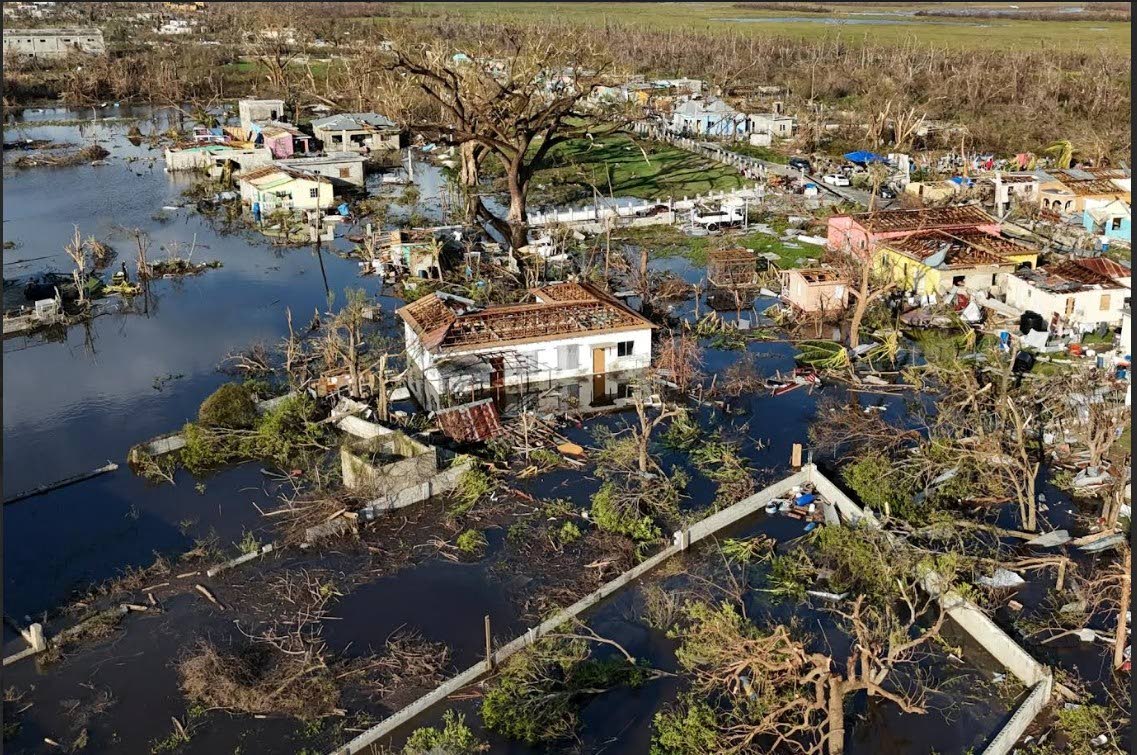 Reparatory development is about finally giving many rural communities what history denied them — a fair opportunity to prosper.
Major investments in highways, tourism, logistics and public infrastructure have transformed sections of Jamaica. New opportunities are emerging in technology, renewable energy and the creative economy. Much has changed, yet an uncomfortable question remains.
Has development reached all Jamaicans equally? For the people of rural Jamaica, the answer is a resounding no.
The Gleaner editorial of July 11, ‘Strengthening rural development’, reminded us of challenges in facing rural Jamaica, including higher rates of poverty and a paucity of opportunities for rural Jamaicans. It again underscores a point I made in my Sectoral Debate presentation - where a Jamaican is born is still a major determinant of the opportunities available throughout life.
For rural Jamaicans, distance often functions as an invisible tax. So do terrible roads, lack of reliable access to water, absence of health and development services, weak local authorities, and poorly run community development services.
These challenges are often explained as the inevitable consequences of geography. They are not. They are, in significant measure, the legacy of history.
If Jamaica is serious about building a more equitable and prosperous society, we must begin to understand rural development differently. We should see it not simply as another sector competing for public resources, but as part of the unfinished work of Emancipation.
It is for this reason that I propose reparatory development–using today’s public policy and investment to repair patterns of exclusion that were created over centuries and have become commonplace.
We must start by understanding how the past continues to shape the present.
When slavery was abolished in Jamaica in 1838, one of humanity’s greatest injustices came to an end. Freedom was won through extraordinary courage, sacrifice and resistance by enslaved Africans and their descendants. But while legal freedom was achieved, economic dependency was nurtured.
The great plantations remained largely intact. Compensation was paid by the British government and people to enslavers for the loss of what the law then regarded as their “property”. To compensate the slave owners, Britain took out a massive loan equal to 40 per cent of the annual budget – they only finished paying it off in 2015.
The newly emancipated inherited none of the wealth built on broken and dead African bodies for many generations.
Many had cultivated provision grounds during slavery, producing food for their families and, in some cases, for local markets. Those plots represented more than places of cultivation. They represented knowledge, independence, resilience and hope. Yet Emancipation did not bring a broad transfer of ownership of the lands they had worked, nor a meaningful programme of land redistribution that would allow formerly enslaved families to establish secure and independent livelihoods.
Many of Jamaica’s rural settlements emerged not from deliberate planning or strategic investment, but from necessity. In time, thousands of freed people became ‘squatters’ –not because they rejected the law, but because the economic settlement following Emancipation was not focused on helping the people access land on which to build homes, raise families and earn a living. Communities grew where land could be found, often far from markets, infrastructure and public services.
It reminds us that if disadvantage was created through deliberate historical decisions, it can also be reduced through deliberate public policy.
History leaves more than monuments. It leaves institutions, patterns of land ownership, and economic relationships. It even leaves a physical geography of opportunity and disadvantage.
These costs rarely appear in national accounts. Yet they reduce productivity, discourage investment, and diminish quality of life every single day.
Development policy often responded to these challenges through isolated projects rather than integrated planning. Each intervention has value, but none on its own is transformative.
Nearly two centuries after Emancipation, rural Jamaica cannot depend on chance. It cannot depend on prosperity gradually finding its way into every valley and hillside, nor on isolated projects that address one problem while leaving others untouched. If history helped create these inequalities, deliberate public policy must help dismantle them.
That requires a different philosophy of development.
It requires reparatory development.
Reparatory development begins with a simple proposition: if historical injustice helped shape today’s inequalities, then public policy should consciously work to reverse them. It asks not only, where is investment needed? but also, where has history left the greatest deficits?
Communities that have experienced generations of underinvestment often require sustained attention if they are to enjoy the same opportunities as those that have benefited from decades of infrastructure, public services and economic activity.
In that sense, reparatory development complements Jamaica’s pursuit of international reparations. The call for reparations rightly seeks acknowledgement of historical wrongs and compensation for the wealth extracted through slavery. But reparatory justice should also shape how we use national resources.
Every road that reconnects an isolated farming community, every modern water system that frees families from chronic scarcity, every broadband connection that allows a young entrepreneur to compete globally, every school strengthened, every community centre transformed into a hub for learning, enterprise and culture, becomes part of a broader national project of repair.
Reparatory development is about finally giving many rural communities what history denied them – a fair opportunity to prosper.
That is what completing Emancipation looks like - repairing, through deliberate national action, the inequalities that history left behind.
Emancipation abolished slavery. Reparatory development completes Emancipation.
Kenneth Russell is the member of parliament for South East St Ann and the opposition spokesperson on rural and community development. Send feedback to columns@gleanerjm.com