Battle of the Compact Crossovers: Nissan Qashqai vs Kia Seltos GT-Line
Loading article...
-
 Kia Seltos GT line sleek lines and a commanding presence.
-
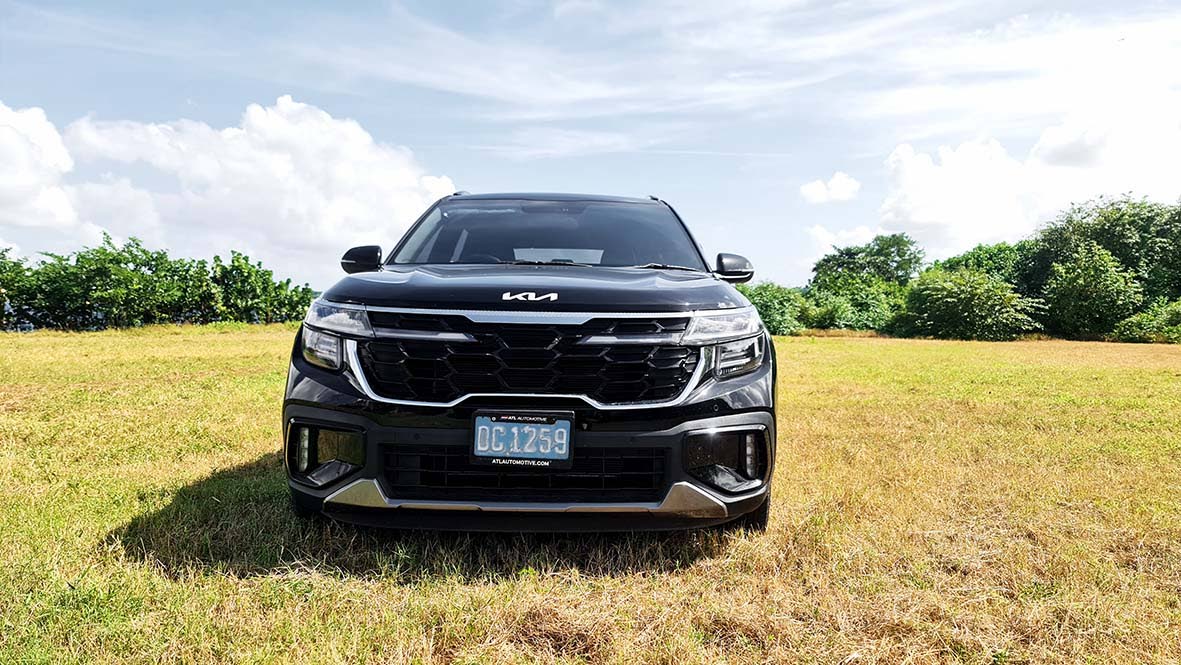 The signature tiger-nose grille leads the way.
-
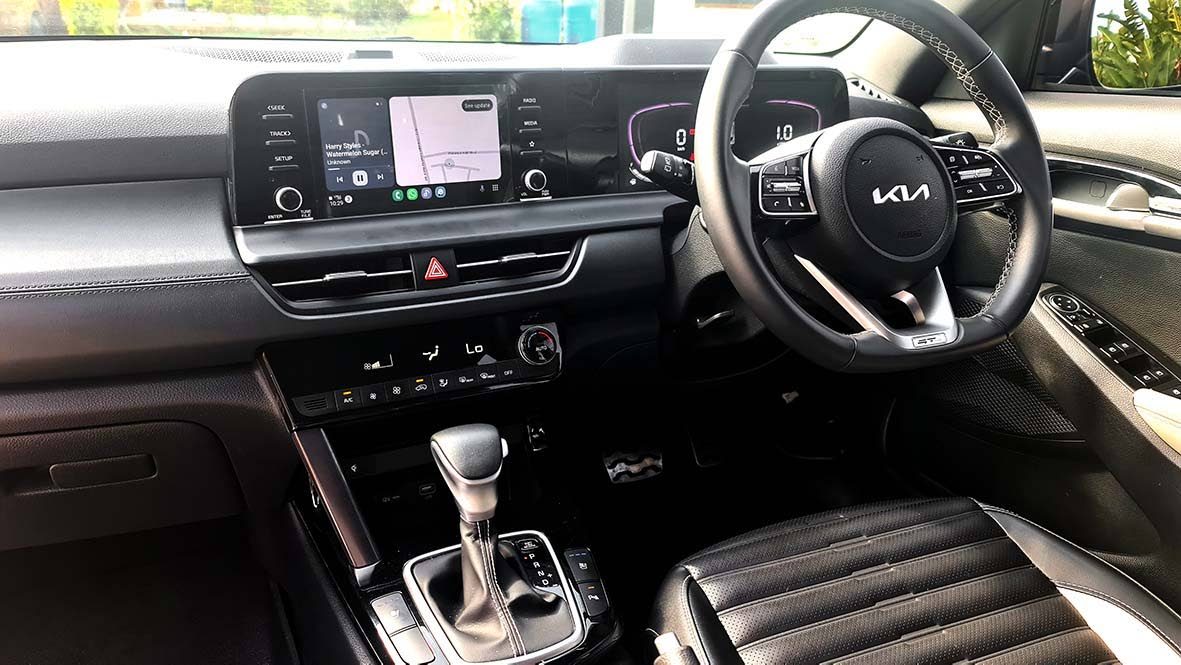 A perfect blend of style and practicality.
-
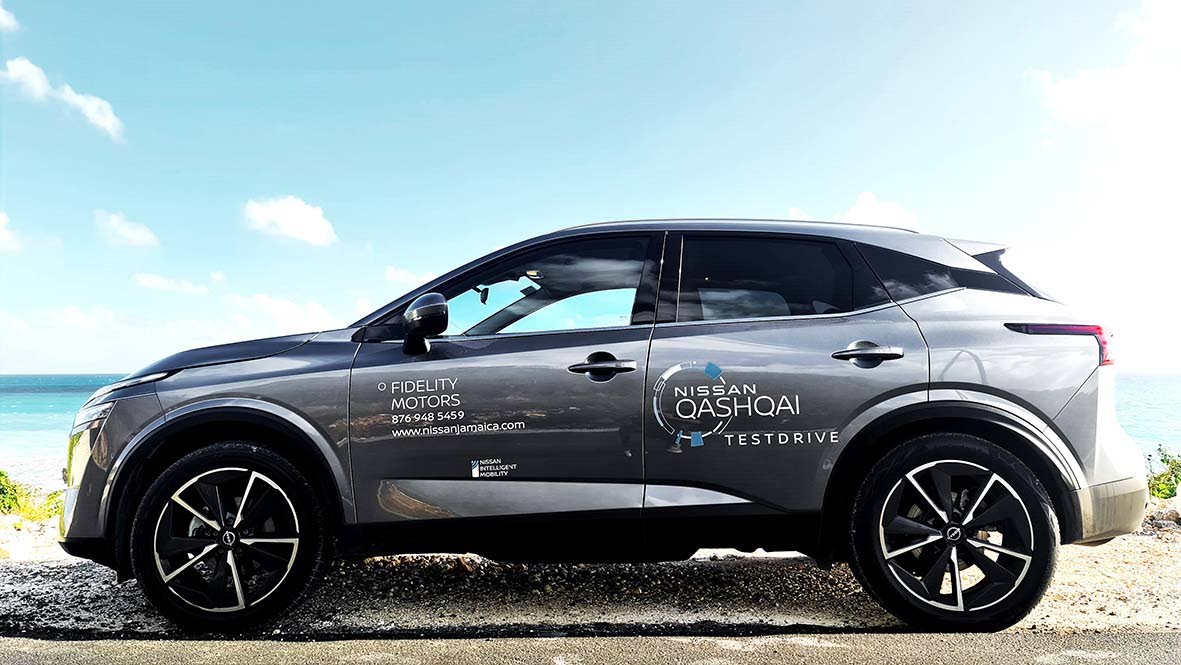 The Qashqai’s bold stance and sharp lines aren’t just for show. They slice through rural areas with confidence, leaving a trail of envious stares in their wake.
-
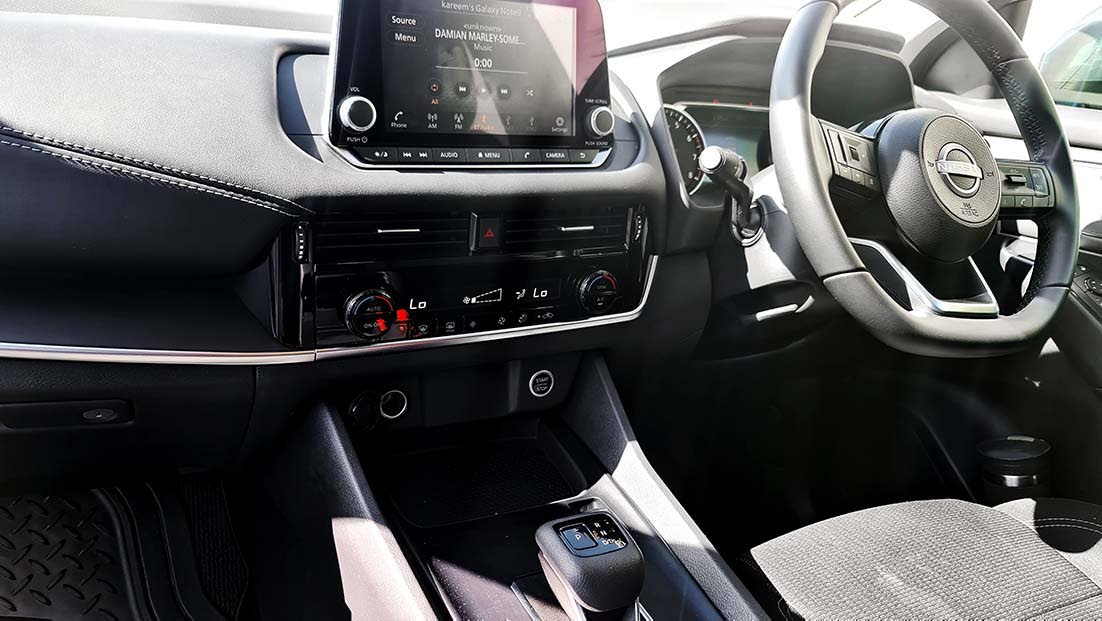 The centre console is your mission control, housing intuitive tech and comfortable ergonomics. Navigate, connect, and control your world with just a touch.
-
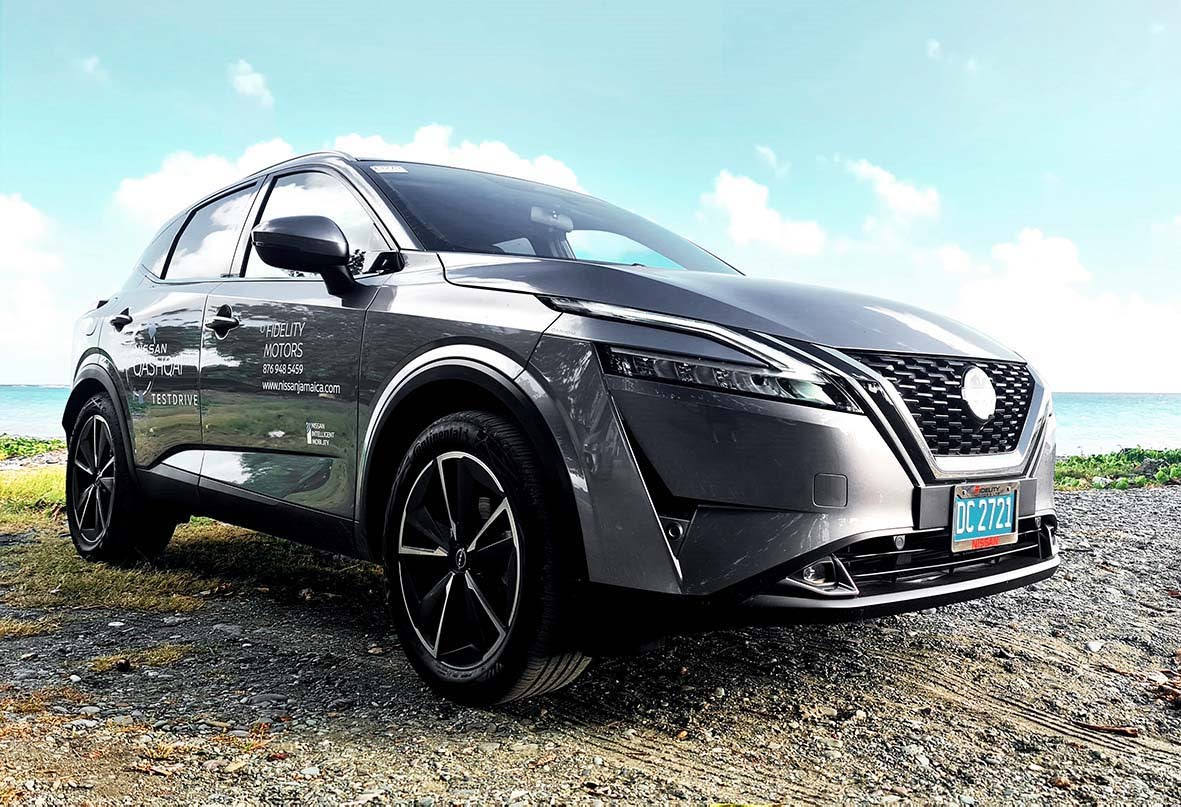 Don’t underestimate the purr beneath the hood. The 1.3L turbo engine unleashes its wild side when selected, transforming commutes into exhilarating adventures.
Navigating through the traffic of downtown Kingston, cruising along the North Coast Highway, or tackling uneven rural roadways requires a vehicle that balances daily practicality with road presence and driver engagement. Two distinct contenders standing head-to-head for the attention of local buyers are the third-generation Nissan Qashqai and the first-generation Kia Seltos GT-Line, each presenting a compelling interpretation of what a modern urban SUV should deliver.
History and Heritage
Understanding the background of both name plates reveals two unique trajectories in vehicle development. Introduced globally in 2007, the original Qashqai is widely credited with establishing the modern compact crossover segment by blending hatchback agility with SUV road presence. The third-generation model builds directly on that legacy, refining its platform with lighter materials, enhanced structural rigidity, and advanced turbocharged engine technology. Entering the global market as an all-new global model, the first-generation Seltos was developed to fill the sweet spot between smaller urban crossovers and larger family SUVs. The GT-Line trim level represents the peak of this generation, adding sport-inspired styling, enhanced cabin features, and elevated interior comfort tailored for modern commuters.
Exterior Design and Road Presence
Both vehicles establish strong visual identities on island roads, catering to differing aesthetic preferences. The third-generation Qashqai features a sculpted, executive profile defined by Nissan’s signature V-motion grille, slim LED headlights, and flowing shoulder lines. Practical aesthetic choices are evident throughout, such as rain-sensing wipers tucked strategically beneath the hoodline to maintain clean sightlines and improve aerodynamics. The Seltos GT-Line adopts an assertive, geometric aesthetic. It features Kia’s prominent tiger-nose grille flanked by crown jewel LED headlamps and sleek Daytime Running Lights. Blacked-out B and C pillars create a floating roof effect, while 17-inch alloy wheels and redesigned rear LED light bars emphasise its sporty credentials.
Interior Refinement, Infotainment, and Audio Systems
Cabin architecture and technology remain crucial factors for drivers spending extended hours in daily traffic. The Qashqai leans heavily into modern refinement, offering soft-touch materials, an available panoramic moonroof, and acoustic insulation designed to minimise road noise. Its dashboard features an 8-inch central touchscreen on standard specifications, while upper-tier trim options upgrade to a 9-inch display system with a 10-speaker Bose premium sound system. Standard specifications include a 6-speaker audio setup and smartphone integration via Apple CarPlay and wired Android Auto.
By comparison, the Seltos GT-Line integrates an 8-inch responsive touchscreen seamlessly with a digital instrument display cluster. Connectivity is comprehensive, offering USB-A and USB-C ports in the front row, paired with dedicated rear-seat USB-C charging ports and rear air conditioning vents. It comes equipped with an adjustable 6-speaker sound system alongside customisable ambient mood lighting. Cabin trims feature leather upholstery with cream accents, a panoramic sunroof, and three-stage ventilated cooling front seats designed specifically to handle tropical heat.
Cargo Capacity and Practicality
Utility remains essential for market runs, family errands, or weekend road trips across parish borders. The Qashqai delivers 450 litres of standard rear cargo volume with all seats upright. The boot layout includes a versatile floor arrangement and accommodates a spare tyre beneath the floor for peace of mind on long highway drives. The Seltos GT-Line offers 433 litres of rear luggage space. The wide tailgate opening and low lift-over height ensure that loading heavy gear or travel luggage remains straightforward.
Driving Experience: Engine Performance, Suspension, and Handling
On Jamaican roadways, powertrain response and chassis tuning dictate how well a crossover handles varying road surfaces. The Qashqai is powered by a 1.3-litre turbocharged inline-four petrol engine generating 110 kW (147 hp) and 250 Nm (184 lb-ft) of torque, mated to a Continuously Variable Transmission (CVT) with selectable Sport, Eco, and Standard drive modes. It utilises MacPherson struts up front with a refined rear suspension architecture that dampens road vibrations, delivering crisp steering feedback and energetic acceleration out of corners.
The Seltos GT-Line is powered by a 1.5-litre naturally aspirated inline-four petrol engine producing 86 kW (115 hp) and 144 Nm (106 lb-ft) of torque, paired with a Continuously Variable Transmission engineered for smooth power distribution. It employs a front MacPherson strut and rear torsion beam setup. The chassis absorbs road imperfections with composure while prioritising outstanding fuel efficiency, achieving over 500 kilometres of driving range from its 50-litre fuel tank.
Final Verdict
Both crossovers bring distinct strengths to the local market depending on driver priorities. The third-generation Nissan Qashqai stands out for drivers seeking speed, agility, and performance refinement, backed by a potent 1.3-litre turbocharged engine, quiet cabin acoustics, and expansive cargo capacity. The first-generation Kia Seltos GT-Line appeals to buyers who prioritises exceptional fuel economy, climate-focused luxury like ventilated leather seating, and bold contemporary styling tailored for modern island driving.
Vehicle Specifications
Nissan Qashqai (Third Generation)
Generation: Third Generation
Body Type: Compact Crossover SUV
Engine: 1.3-litre Turbocharged 4-Cylinder Petrol
Power: 110 kW (147 hp)
Torque: 250 Nm (184 lb-ft)
Transmission: Continuously Variable Transmission (CVT)
Drive Modes: Sport, Eco, Standard
Cargo Capacity: 450 litres
Fuel Tank Capacity: 55 litres
Audio System: 6 speakers (Standard) or 10-speaker Bose System (Upper Trims)
Infotainment Display: 8-inch screen (Standard) or 9-inch screen (Upper Trims)
Kia Seltos GT-Line (First Generation)
Generation: First Generation
Body Type: Compact Crossover SUV
Engine: 1.5-litre Inline-4 Petrol
Power: 86 kW (115 hp)
Torque: 144 Nm (106 lb-ft)
Transmission: Continuously Variable Transmission (CVT)
Cargo Capacity: 433 litres
Fuel Tank Capacity: 50 litres
Audio System: 6-speaker system
Infotainment Display: 8-inch touchscreen interface