Reviewing the All-New Hyundai Palisade
Loading article...
-
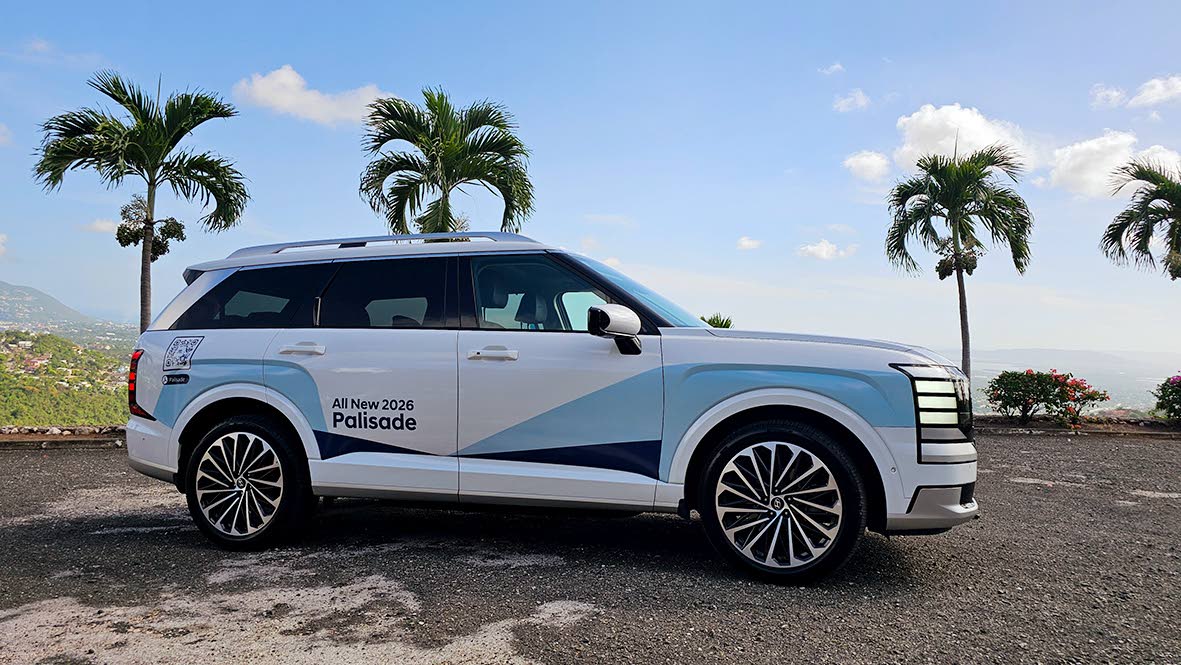 Photo - Kareem LaTouche
-
Photo - Kareem LaTouche
-
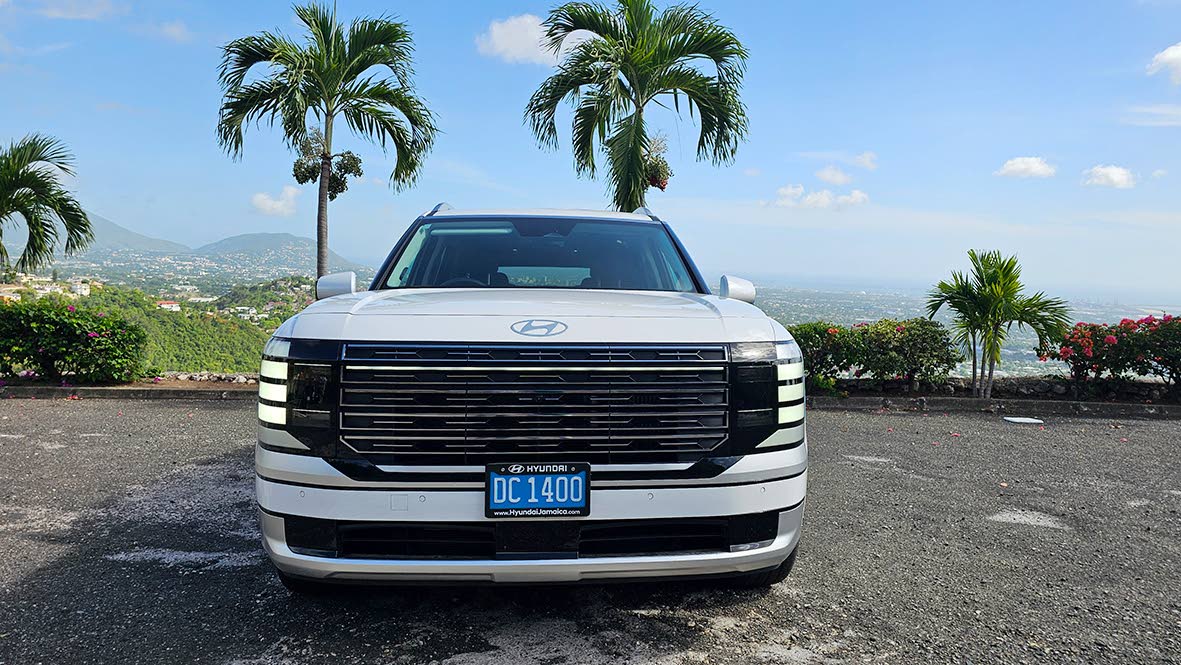 Photo - Kareem LaTouche
-
 Photo - Kareem LaTouche
-
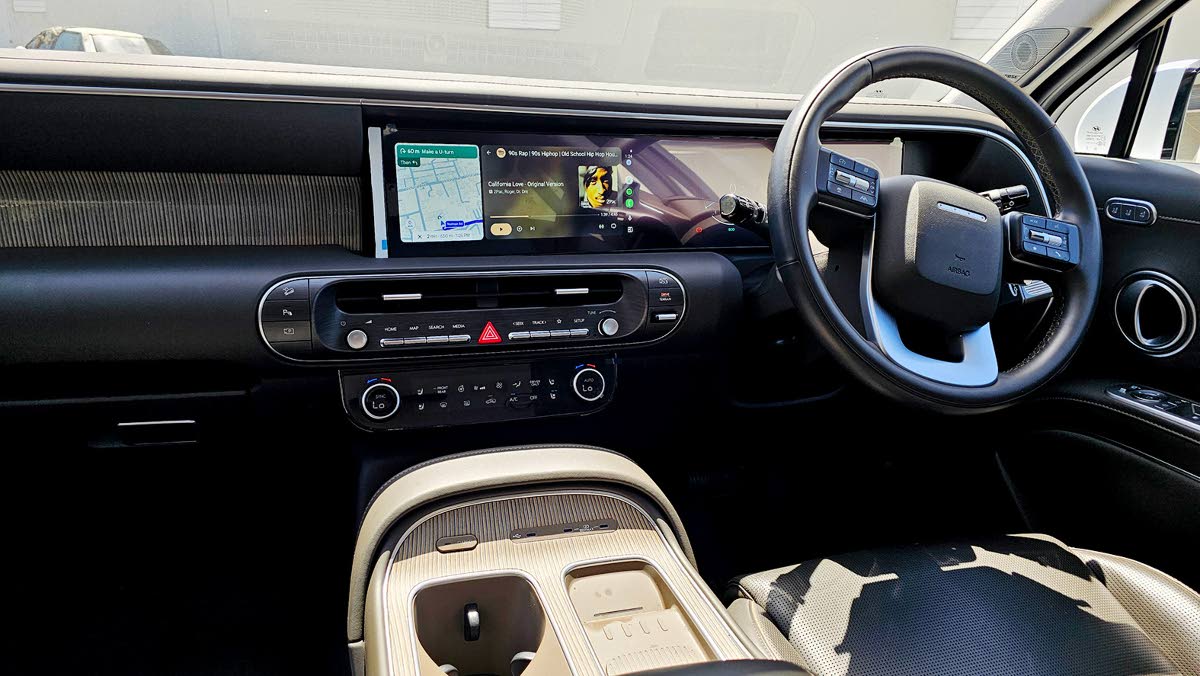 Photo - Kareem LaTouche
-
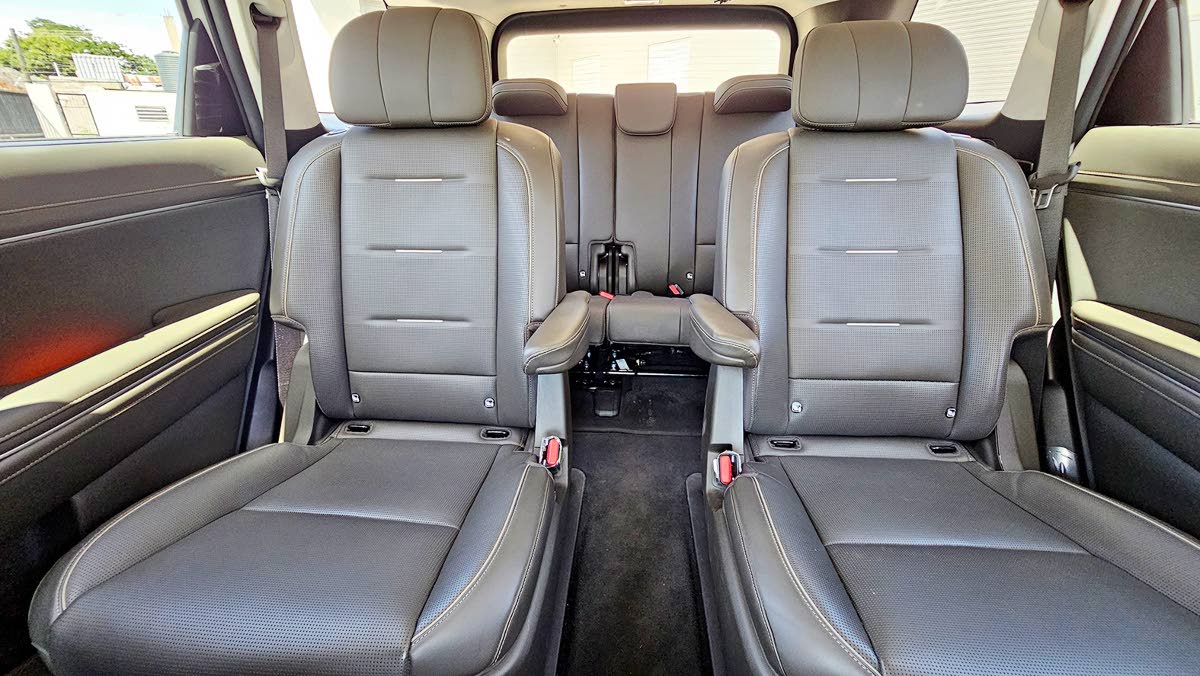 Photo - Kareem LaTouche
-
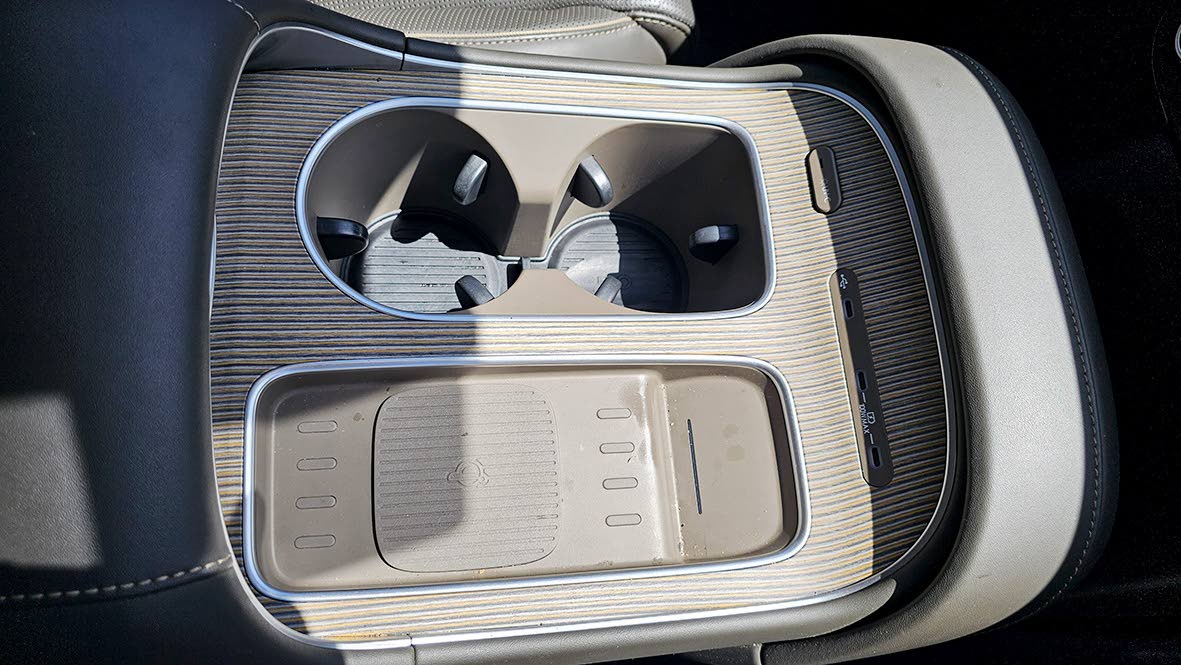 Photo - Kareem LaTouche
-
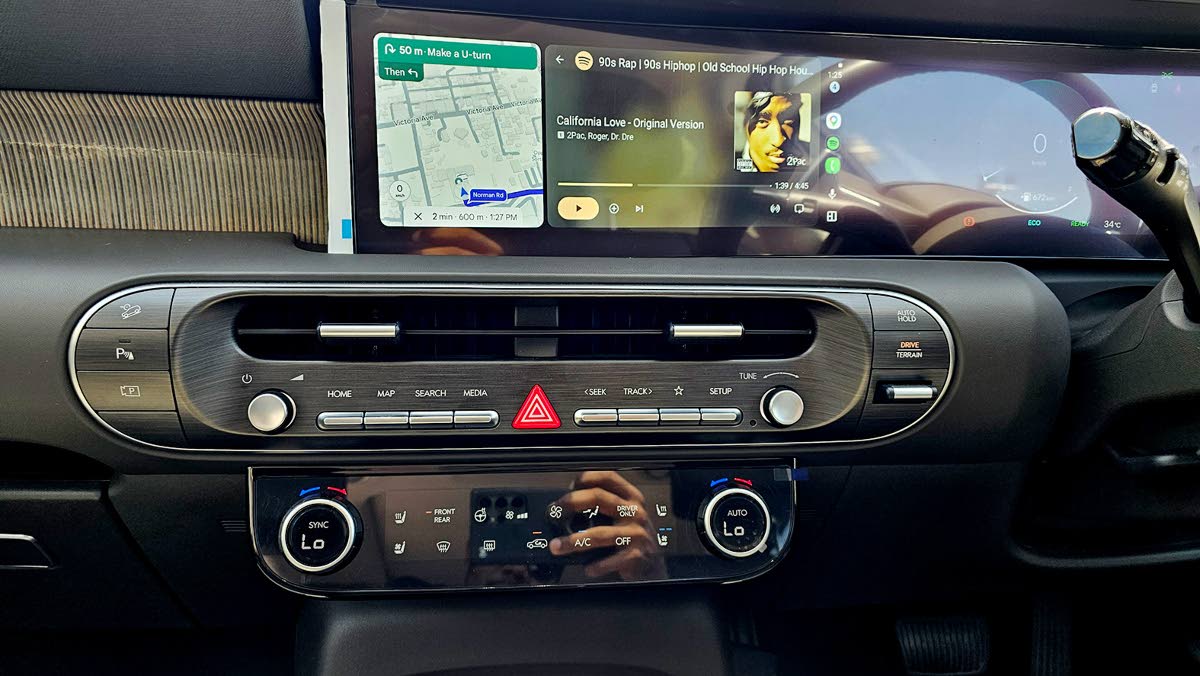 Photo - Kareem LaTouche
-
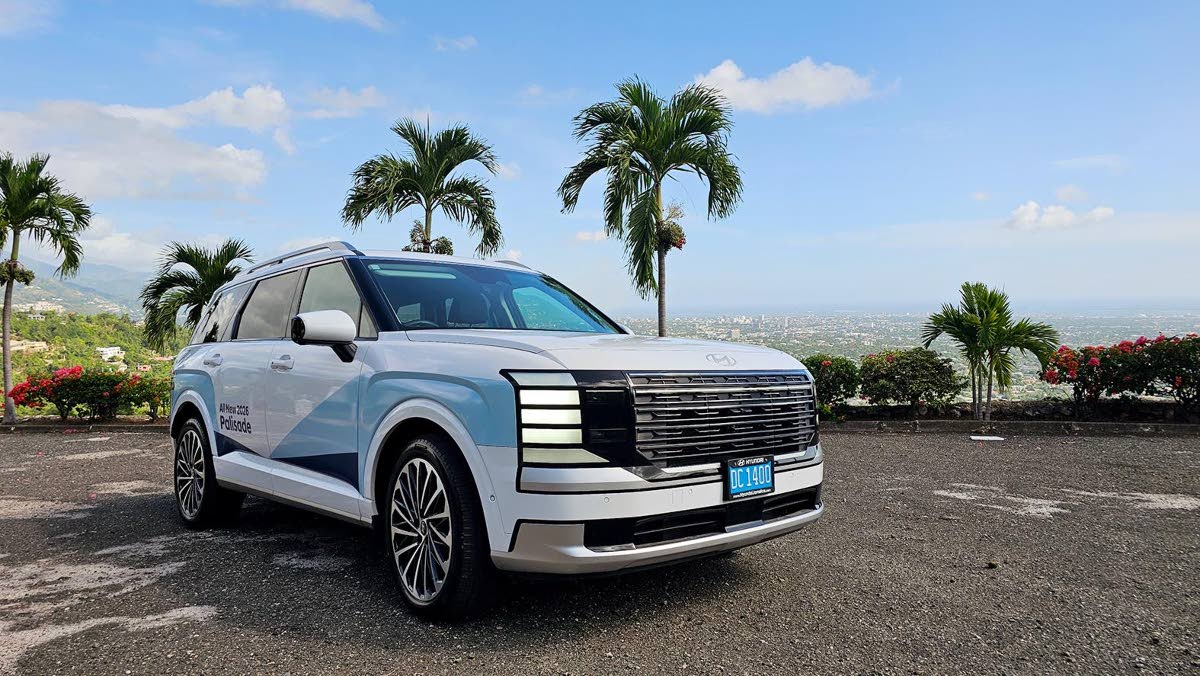 Photo - Kareem LaTouche
Entering its robust second generation, the Hyundai Palisade has evolved significantly since its initial development and introduction as the brand’s premier full-size SUV. Built as a spacious 5-door crossover utility vehicle, the Palisade has firmly established its footprint globally. For this review, I spent time behind the wheel of the high-spec Calligraphy variant, a machine that redefines comfort. Notably, this is one of the most comfortable luxury SUVs I have driven, equipped with captain chairs featuring integrated massage functions that turn long journeys into effortless relaxation.
Exterior Design and Dimensions
From the outside, the Palisade presents a bold, architectural silhouette with a commanding presence. Its scale is substantial. It measures 16.60 feet in overall length (specifically 5,060 mm for standard specifications and 5,065 mm for the Calligraphy trim), stands 5.79 feet tall with roof racks, and spans 6.49 feet in overall width. To put its footprint into perspective, it occupies a physical road presence comparable to a BMW X5.
The front fascia is characterised by striking LED daytime running lights, positioning lamps, and full LED projection headlights flanking a prominent horizontal grille. Lower down, active air flaps and a front silver skid plate accentuate its rugged yet refined posture. Along the sides, clean body panel character lines flow towards the rear, where LED rear combination lamps and a wrap-around skid plate complete the aesthetic. Key exterior differences between tiers include wheel selections. Lower-spec models ride on 18-inch alloy wheels with a standard front design, whereas higher trims scale up to 20-inch or 21-inch alloy wheels, paired with body-coloured cladding and acoustic glass for the first and second rows.
Interior Craftsmanship and Technology
Stepping inside reveals a cabin focused on sophisticated comfort, trimmed with premium materials like Nappa leather on higher grades compared to the cloth and artificial leather options on lower tiers. The dashboard is dominated by a sweeping panoramic curved display housing a 12.3-inch digital cluster and an intuitive infotainment interface. Below the central air vents sit physical climate and media controls alongside easy-to-reach drive mode selectors.
Practicality is well-addressed for the Jamaican market, incorporating convenience features such as wireless smartphone charging pads and multiple high-output USB-C ports. What really surprised me was the storage area featuring a UV-C sterilisation light inside the dual-swing multiconsole, designed to sanitise items like your phone on the go. Around the back, luxury truly stands out in the seven-seater configuration with two individual captain chairs offering ultimate comfort, power adjustments, ventilation, and manual window curtains. Lower trims alternatively offer an eight-seater configuration with a 6:4 folding second row. Furthermore, audiophiles will appreciate the 14-speaker Bose premium sound system. Best of all, unlike many modern vehicles that omit essentials, I am happy to know that it comes with a spare tyre.
Driving Experience on Jamaican Roads
Under the bonnet of this test unit sits a potent 2.5 T-GDI hybrid engine paired with an electric motor, generating a combined system output of 334 horsepower and 264 Nm of torque (torque (lb-ft): 264 Nm). The suspension layout utilises a McPherson strut front setup and a multilink rear setup. Navigating Jamaican roads, this configuration handles rough surfaces smoothly though this is a heavy vehicle, and you can tell when putting it around corners, which makes you know that it is built to drive as a luxury vehicle and not a sport vehicle.
The drive and terrain modes (Auto, Mud, Sand, Snow) are located within arm’s reach, and switching to sports mode does pack the power necessary for brisk highway passing. Advanced engineering additions like e-Comfort and e-Dynamic drive modes actively manage motor output to reduce pitch over speed bumps and optimise torque vectoring through turns.
The Hyundai Palisade successfully bridges the gap between mainstream practicality and executive luxury. With its comprehensive safety suite, striking design, and exceptional passenger accommodation, it stands tall against established European and regional competitors.
Vehicle Specifications
Price of tested model: $14.6m
Standard price: $12.6m
Engine: 2.5 T-GDI Hybrid Engine
Horsepower: 334
Torque (lb-ft): 264 Nm
Drive train: AWD
Fuel tank: 72 litres
Gas consumption: 6.90 km/l (city)
Body Type: 5-door SUV / Crossover
Dimensions: Length 5,060 mm (Standard) / 5,065 mm (Calligraphy); Width 1,980 mm; Height 1,765 mm (1,805 mm with roof rack)
Competition: Mazda CX-60, Jaecoo J8, BMW X5, Jetour T2
Vehicle provided courtesy of Magna Motors Dealership LTD, 630-1511 / 577-3607 www.hyundaijamaica.com